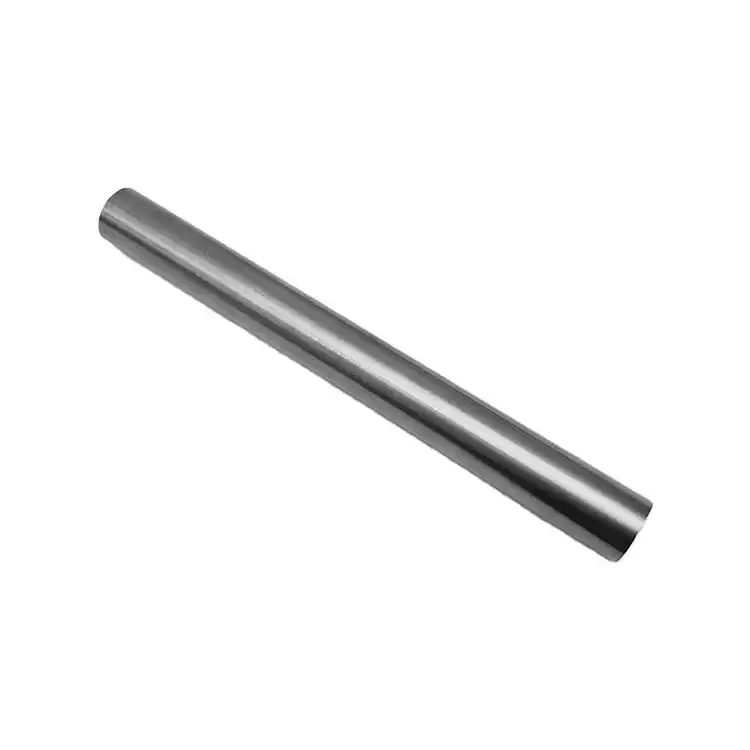
Electrode Design and Configuration in Sodium Hypochlorite Generator Systems
A complete sodium hypochlorite (NaOCl) generator electrode set consists of anode, bipolar, and cathode plates arranged in a specific configuration to achieve the target chlorine output. Understanding electrode types, dimensions, spacing, and quantity requirements is essential for buyers evaluating custom titanium electrode manufacturers.
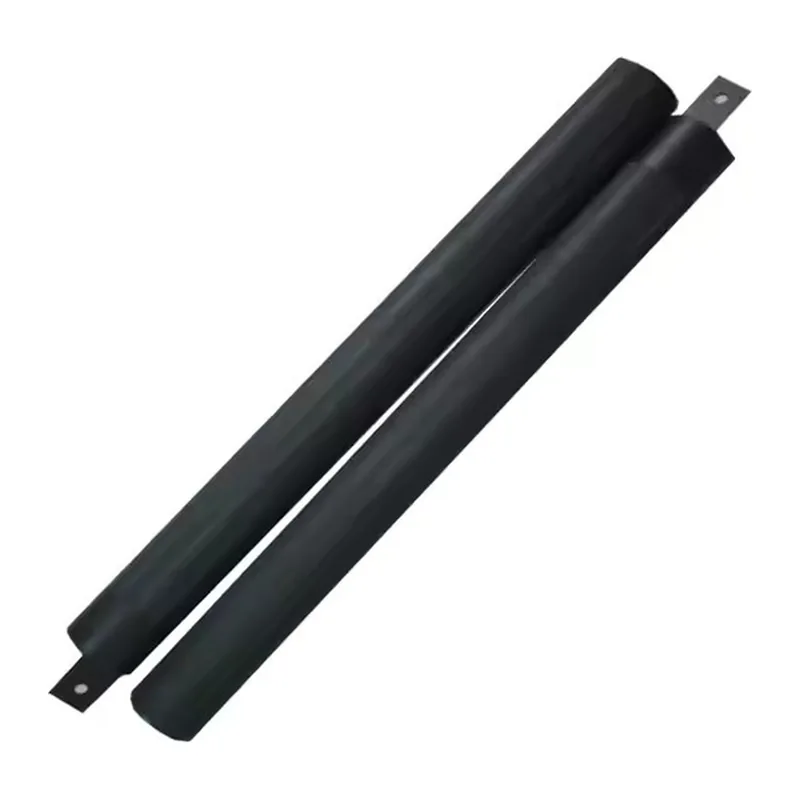
1. Electrode Types in NaOCl Generators
Three types of electrode plates are used in industrial sodium hypochlorite generators:
- Anode plates: Ru-Ir MMO coated titanium. Coated on both sides to maximize active surface area for chlorine evolution. The anode is where chloride ions are oxidized to chlorine.
- Bipolar plates: Coated on one side (anode side) with bare titanium on the other (cathode side). Used in multi-cell configurations to reduce the number of electrical connections and improve space efficiency.
- Cathode plates: Typically TA1 pure titanium, 2.0–3.0 mm thickness. The cathode is where water is reduced to hydrogen gas and hydroxide ions. Titanium is recommended over carbon steel to prevent corrosion contamination of the brine.
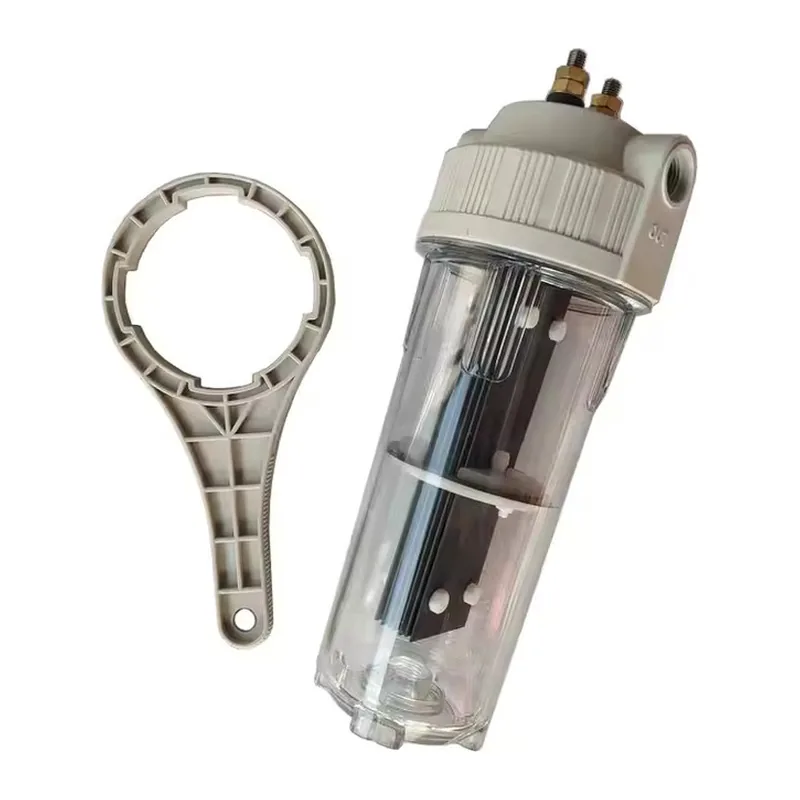
2. Plate Dimensions and Configuration
Electrode dimensions depend on the target capacity and cell design. Common configurations include:
- Long plates: Typically 400–600 mm in length, with a portion coated on both sides and a portion left as bare titanium for mounting and electrical connection. The coated section determines the active surface area.
- Short plates: Typically 200–300 mm in length, fully coated on both sides. Used for smaller capacity systems or as supplementary anodes.
- Width: Commonly 50–80 mm, depending on cell design and current distribution requirements.
- Thickness: 1.5 mm for anode plates (balance between rigidity and cost), 2.0–3.0 mm for cathode plates (greater mechanical strength).
The coated-to-bare ratio on long plates is designed to provide sufficient active surface area while maintaining mechanical integrity for mounting and electrical connection.
3. Inter-Electrode Spacing
The gap between anode and cathode plates (inter-electrode spacing) is a critical design parameter:
- Typical range: 2–4 mm for industrial NaOCl generators.
- Effect on performance: Smaller gaps reduce cell voltage and improve energy efficiency but increase the risk of short circuits and scale bridging. Larger gaps reduce short-circuit risk but increase voltage and reduce efficiency.
- Design consideration: The optimal spacing depends on the specific cell design, brine flow pattern, and scale management strategy.
4. Electrode Quantity and Configuration
The number and arrangement of electrode plates determine the total active surface area and thus the chlorine production capacity. Key considerations:
- Capacity scaling: Higher capacity requires more electrode plates or larger plate dimensions to provide sufficient active surface area.
- Current distribution: Uniform current distribution across all plates is essential for consistent performance and coating life.
- Configuration types: Monopolar (all anodes connected to one terminal, all cathodes to another) or bipolar (plates alternate, reducing electrical connections).
Configuration design process:
- Determine target capacity (g/h of available chlorine).
- Calculate required active surface area based on current density and current efficiency.
- Determine plate dimensions and quantity.
- Design the cell housing and electrical connections.
- Review and optimize the configuration with the electrode manufacturer.
5. Custom Manufacturing from Drawings
Most industrial buyers have their own electrode designs and technical drawings. A capable manufacturer should:
- Review drawings: Evaluate dimensions, coating requirements, hole positions, and material specifications.
- Provide engineering feedback: Suggest optimizations for coating coverage, spacing, and mechanical design.
- Prepare complete configuration drawings: If the buyer has not finalized the electrode arrangement, the manufacturer can design a complete set based on capacity requirements.
- Manufacture to specification: Cut, drill, and coat plates according to approved drawings.
- Provide inspection reports: Dimensional verification, coating analysis, and material certificates.
6. Common Design Considerations
| Consideration | Recommendation |
|---|---|
| Coated vs. bare area ratio | Ensure sufficient coated area for target capacity while maintaining bare area for mounting |
| Hole positions and sizes | Standardize hole diameters (e.g., Φ8) for electrical connection and mounting |
| Edge treatment | Deburr and round edges to prevent coating damage and improve safety |
| Coating coverage | Ensure coating extends slightly beyond the active area to prevent edge corrosion |
| Cathode sizing | Cathode should be slightly larger than anode for uniform electric field distribution |
7. Buyer Evaluation Checklist
- Does the manufacturer accept custom drawings?
- Can they provide engineering feedback on electrode configuration?
- Do they offer complete electrode arrangement design?
- What is their experience with NaOCl generator electrodes?
- Can they provide dimensional inspection reports?
- What is their typical lead time for custom orders?
- Do they offer prototyping before full production?
Need Custom Titanium Electrodes for Your NaOCl Generator?
HYTi manufactures custom Ru-Ir MMO coated titanium electrodes based on customer drawings. We provide engineering evaluation, complete configuration design, and factory-direct pricing. Send your drawings and capacity requirements for a quotation.
References
https://www.astm.org/standards/b265.htm
https://www.iso.org/standard/72963.html
https://www.electrochem.org/
_1781687568260.jpg)
_1781571434220.jpg)
_1781251055285.jpg)