Ru-Ir MMO Titanium Electrodes for Sodium Hypochlorite Generators: Coating, Design, and Procurement Guide
Custom titanium anodes with ruthenium-iridium mixed metal oxide (MMO) coating are the core component in industrial sodium hypochlorite (NaOCl) generators. This guide covers the technical parameters, surface preparation, coating specifications, and procurement considerations that B2B buyers need to evaluate when sourcing Ru-Ir MMO titanium electrodes for drinking water treatment applications.
1. Application Overview: Sodium Hypochlorite Generation
Sodium hypochlorite generators produce chlorine-based disinfectant by electrolyzing brine (NaCl solution). The anode — typically a titanium substrate coated with ruthenium-iridium mixed metal oxide — catalyzes the oxidation of chloride ions to chlorine gas, which dissolves in water to form hypochlorous acid and hypochlorite. These systems are widely used in drinking water treatment, wastewater disinfection, swimming pool sanitation, and industrial process water.
For drinking water treatment applications, typical target capacities range from 100 g/h to 500 g/h of available chlorine, depending on the facility size. The electrode design must balance chlorine output, energy efficiency, and service life under continuous operation.
2. Ru-Ir MMO Coating Specifications
The Ru-Ir MMO coating is applied to a titanium substrate and serves as the catalytic layer for chlorine evolution. Key coating parameters include:
- Precious metal loading: 10–12 g/m² total (both sides combined), or approximately 5–6 g/m² per side. This loading level provides a balance between catalytic activity and service life.
- Ru:Ir molar ratio: Approximately 7:3. Ruthenium provides high catalytic activity for chlorine evolution, while iridium enhances coating stability and extends service life.
- Coating options: Suppliers may offer tiered coating options. For example, a standard option with 8 g Ru + 2 g Ir may carry a 2.5–3 year warranty, while a premium option with 8 g Ru + 3 g Ir may offer a 5-year warranty. Higher iridium content improves long-term durability under aggressive operating conditions.
- Warranty: Typically 2 years under standard operating conditions, covering coating peeling, flaking, or rapid catalytic activity loss. Warranty is void if operating conditions exceed specified limits (current density, temperature, voltage).
3. Titanium Substrate Surface Preparation
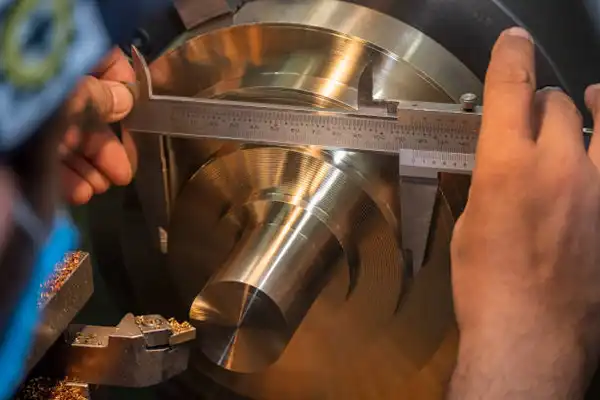
Proper surface preparation is critical for coating adhesion and long-term durability. The standard process includes:
- Sandblasting: Using brown fused alumina (brown corundum) as the abrasive medium to create a uniform micro-textured surface.
- Acid etching (pickling): Following sandblasting, the substrate undergoes acid pickling to remove residual oxides and contaminants, further enhancing surface roughness.
- Surface roughness control: Target Ra of 2.5–4.5 μm. The surface is verified by visual inspection and random roughness measurement before coating application.
- Cleaning: Thorough rinsing and drying to remove all abrasive particles and acid residues before coating.
This preparation process ensures strong mechanical bonding between the MMO coating and the titanium substrate, preventing peeling or flaking during extended operation.
4. Electrode Design and Configuration
A complete sodium hypochlorite generator electrode set typically includes three types of plates:
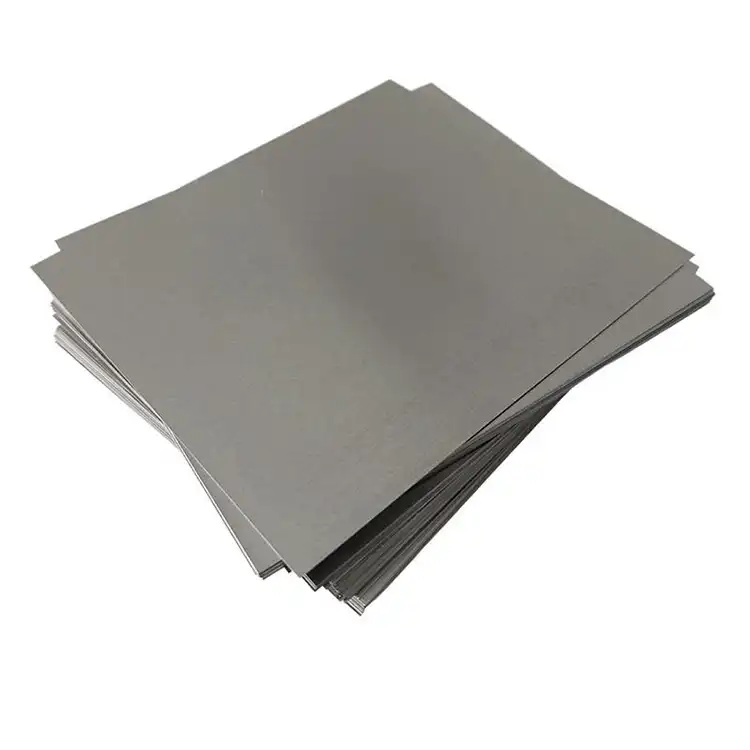
- Anode plates: Ru-Ir MMO coated titanium. Coated on both sides for maximum active surface area.
- Bipolar plates: Coated on one side (anode side), bare titanium on the other (cathode side). Used in multi-cell configurations.
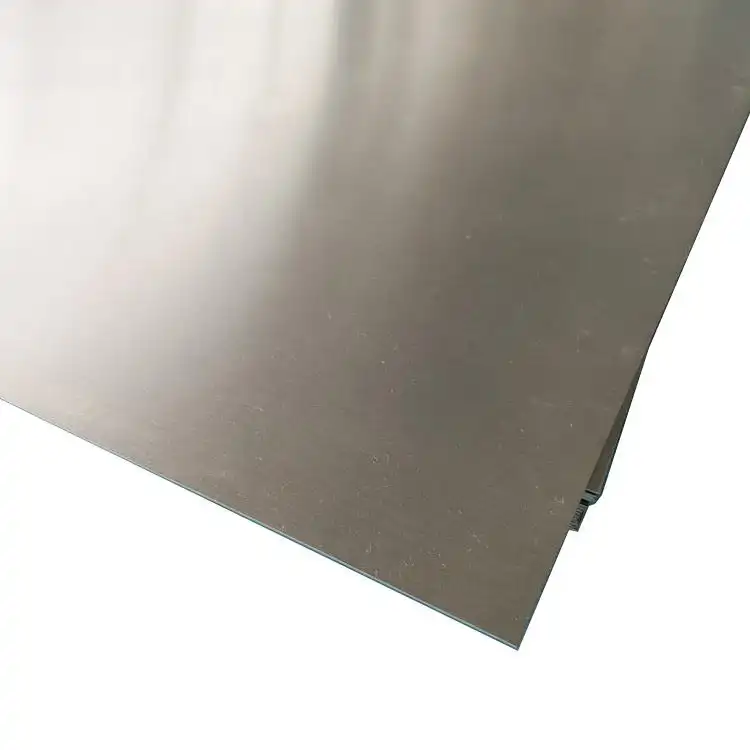
- Cathode plates: Typically TA1 pure titanium, 2.0–3.0 mm thickness. Titanium is recommended over carbon steel to prevent corrosion contamination of the brine and extend anode life.
Typical dimensions (example):
- Long plates: 500 mm × 60 mm, with 250 mm coated on both sides and 250 mm bare titanium (for mounting).
- Short plates: 250 mm × 60 mm, fully coated on both sides.
- Titanium substrate thickness: 1.5 mm.
- Electrode spacing (inter-electrode gap): 2 mm (adjustable based on cell design, typically 2–4 mm).
Custom designs based on customer drawings are standard practice. The manufacturer should review drawings and provide engineering feedback on configuration, spacing, and quantity requirements.
5. Operating Parameters
| Parameter | 300 g/h Capacity | 500 g/h Capacity |
|---|---|---|
| Operating current | ~80 A | ~130 A |
| Cell voltage | 2.8–3.4 V (varies with temperature, brine concentration, gap) | |
| Current density | 1,500–2,500 A/m² (recommended); max 3,000 A/m² short-term | |
| Current efficiency | ≥85% at recommended current density, ~3% brine, ambient temperature | |
| Brine concentration | ~3% NaCl (approx. 20 kg NaCl per 1,000 L water) | |
| Outlet chlorine | 0.5–0.8% available chlorine | |
| Max cell temperature | Below 45°C | |
Continuous operation (24/7): The electrode design should support uninterrupted operation. Key requirements include temperature control, stable brine feed, and power supply voltage regulation to prevent current surges. An initial operating current of 100 A falls within the safe range and can be increased to 130 A for 500 g/h output.
6. Warranty Terms and Limitations
Standard warranty: 2 years, subject to the following conditions:
Applicable conditions:
- Electrolysis of sodium hypochlorite from drinking water or NaCl brine
- No strong oxidizing impurities (chromic acid, fluoride ions, heavy metals)
- No significant scaling from suspended solids
Operational requirements:
- Current density must not exceed designed upper limit
- Cell temperature below 45°C
- No reverse polarity
- Regular acid cleaning for descaling
- No sustained overcurrent surges
Warranty covers: Peeling, flaking, or rapid loss of catalytic activity (not caused by human error or out-of-spec operation).
Exclusions: Reverse polarity damage, dry running, highly corrosive media exposure, mechanical impact/scratching, failure to remove scale, unauthorized modifications.
Warranty start: From commissioning and final acceptance date.
7. Procurement Checklist for Buyers
When sourcing Ru-Ir MMO titanium electrodes for sodium hypochlorite generators, provide the following to your supplier:
- Electrode drawings (dimensions, thickness, hole positions, coated/bare areas)
- Target capacity (g/h of available chlorine) and planned operating current
- Brine concentration and water quality parameters
- Electrode configuration (anode, bipolar, cathode quantities) or request engineering evaluation
- Preferred coating option (loading level and warranty tier)
- Required cathode plates (material, dimensions, thickness)
- Documentation requirements (MTC, inspection reports, coating analysis)
- Quantity and delivery timeline
8. Technical Support and Custom Manufacturing
Experienced manufacturers should offer more than just electrode supply. Key value-added services include:
- Drawing review and optimization: Engineering evaluation of electrode configuration, spacing, and quantity requirements.
- Complete electrode arrangement drawings: For customers who have not finalized their configuration.
- Coating specification consultation: Recommendations on loading, Ru:Ir ratio, and warranty tier based on operating conditions.
- Surface preparation transparency: Clear documentation of sandblasting, acid etching, and roughness control processes.
- After-sales support: Technical guidance on operating parameters, cleaning procedures, and troubleshooting.
Need Ru-Ir MMO Titanium Electrodes for Your Sodium Hypochlorite Generator?
HYTi manufactures custom Ru-Ir MMO coated titanium electrodes for industrial sodium hypochlorite generators. We provide technical support for coating selection, electrode configuration, and operating parameter optimization. Send your drawings, capacity requirements, and operating conditions for a factory-direct quotation.
References
https://www.bjhyti.com/titanium-anode
https://www.bjhyti.com/titanium-plate