- English
- French
- German
- Portuguese
- Spanish
- Russian
- Japanese
- Korean
- Arabic
- Greek
- German
- Turkish
- Italian
- Danish
- Romanian
- Indonesian
- Czech
- Afrikaans
- Swedish
- Polish
- Basque
- Catalan
- Esperanto
- Hindi
- Lao
- Albanian
- Amharic
- Armenian
- Azerbaijani
- Belarusian
- Bengali
- Bosnian
- Bulgarian
- Cebuano
- Chichewa
- Corsican
- Croatian
- Dutch
- Estonian
- Filipino
- Finnish
- Frisian
- Galician
- Georgian
- Gujarati
- Haitian
- Hausa
- Hawaiian
- Hebrew
- Hmong
- Hungarian
- Icelandic
- Igbo
- Javanese
- Kannada
- Kazakh
- Khmer
- Kurdish
- Kyrgyz
- Latin
- Latvian
- Lithuanian
- Luxembou..
- Macedonian
- Malagasy
- Malay
- Malayalam
- Maltese
- Maori
- Marathi
- Mongolian
- Burmese
- Nepali
- Norwegian
- Pashto
- Persian
- Punjabi
- Serbian
- Sesotho
- Sinhala
- Slovak
- Slovenian
- Somali
- Samoan
- Scots Gaelic
- Shona
- Sindhi
- Sundanese
- Swahili
- Tajik
- Tamil
- Telugu
- Thai
- Ukrainian
- Urdu
- Uzbek
- Vietnamese
- Welsh
- Xhosa
- Yiddish
- Yoruba
- Zulu
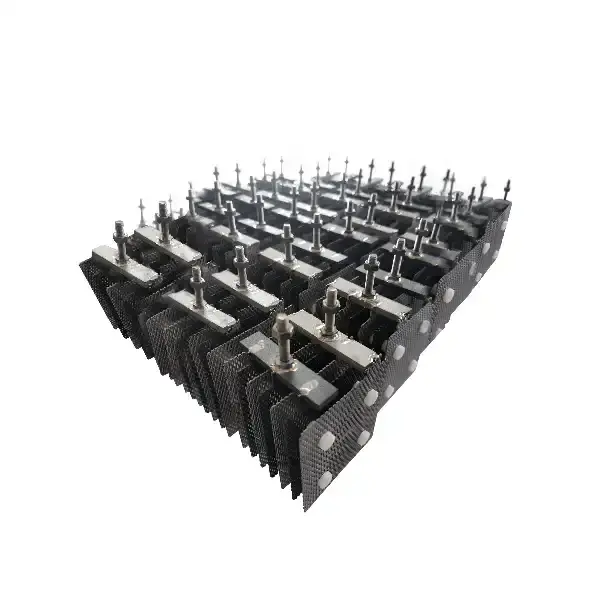
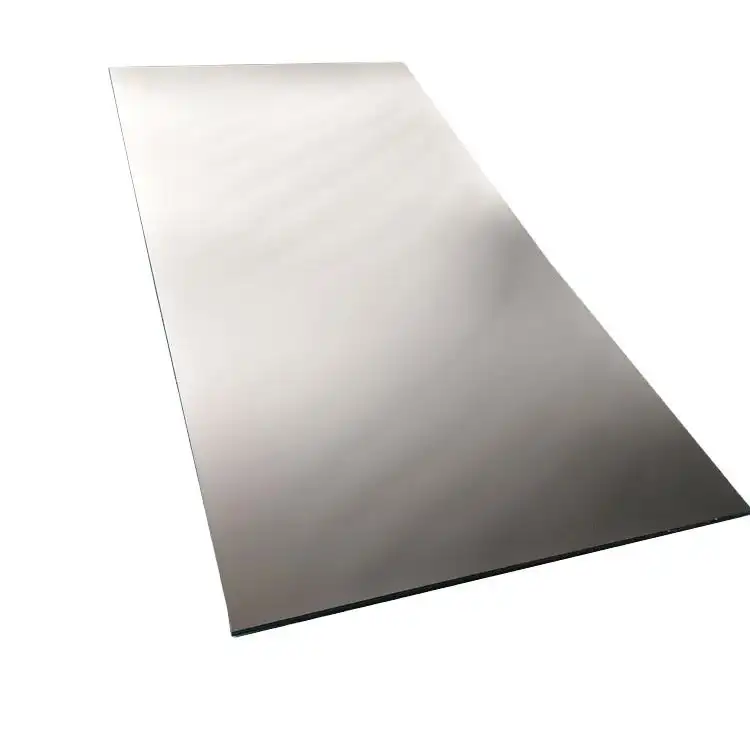
Ru+Ir coated titanium electrode
Titanium substrate with ruthenium iridium oxide coating for high catalytic activity and stable performance.
Suitable for seawater electrolysis, sodium hypochlorite generators, electroplating, and disinfection systems.
Custom plate, mesh, tube, rod, and assembly structures available for industrial equipment matching.
Engineered for low cell voltage, reduced energy consumption, and dependable long-term operation.
HYTi supports custom dimensions, connector design, and coating optimization based on operating conditions.
What Is a Ru-Ir Coated Titanium Anode and How to Choose the Right One for Your Industry?
A Ru-Ir Coated Titanium Anode, also called a Ruthenium-Iridium Coated Titanium Anode, is an advanced insoluble electrode designed for industrial electrochemical applications. It uses high-purity titanium as the substrate and applies a mixed metal oxide (MMO) coating mainly composed of ruthenium (Ru) and iridium (Ir). This coating gives the anode excellent catalytic activity, strong corrosion resistance, and long-term electrochemical stability.
Compared with traditional graphite electrodes or lead-based anodes, Ru-Ir coated titanium anodes offer lower energy consumption, longer service life, and more stable current efficiency. They perform well in harsh environments involving acids, alkalis, seawater, chloride ions, and high current density conditions.
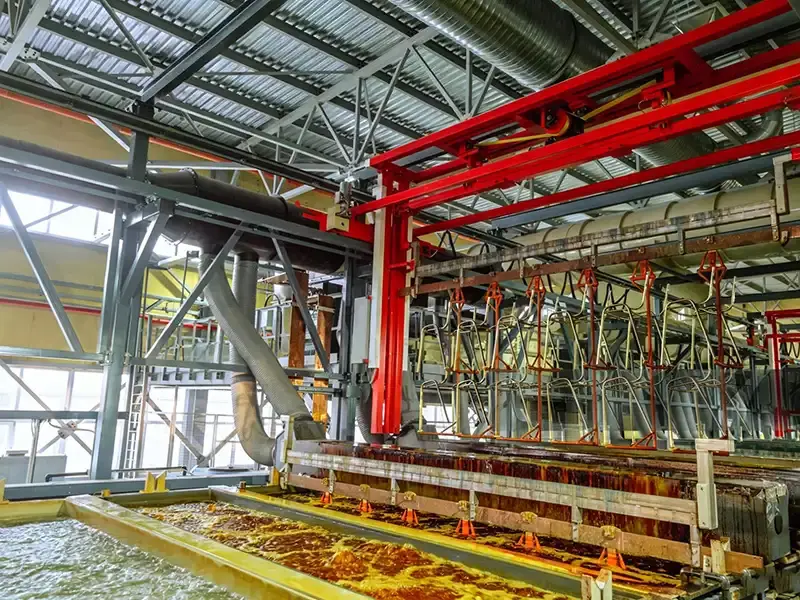
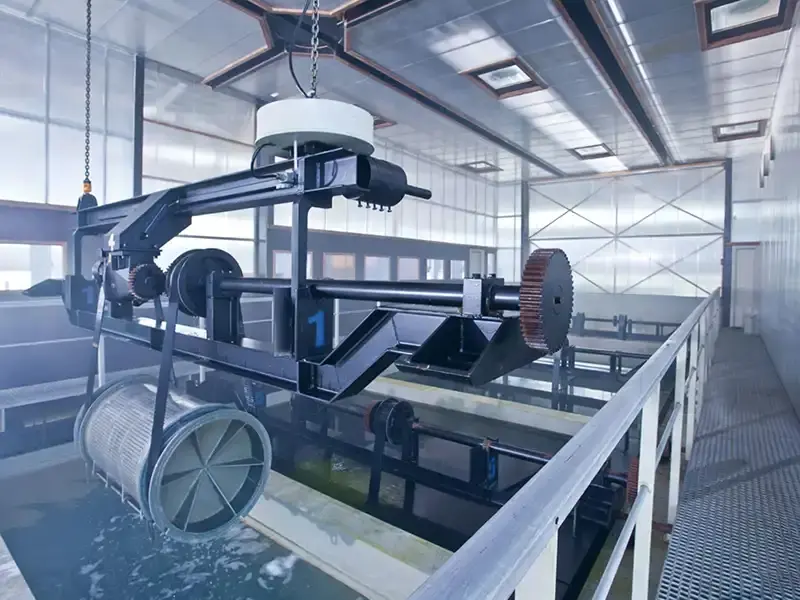
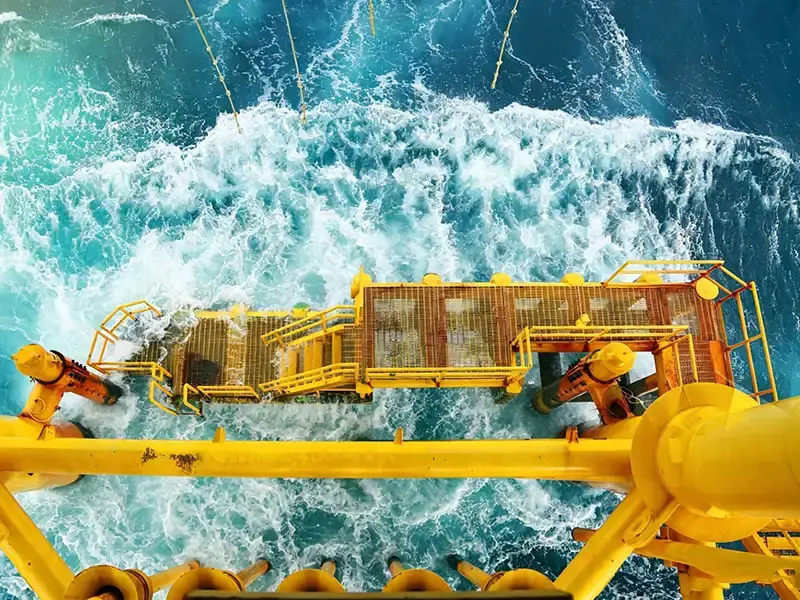
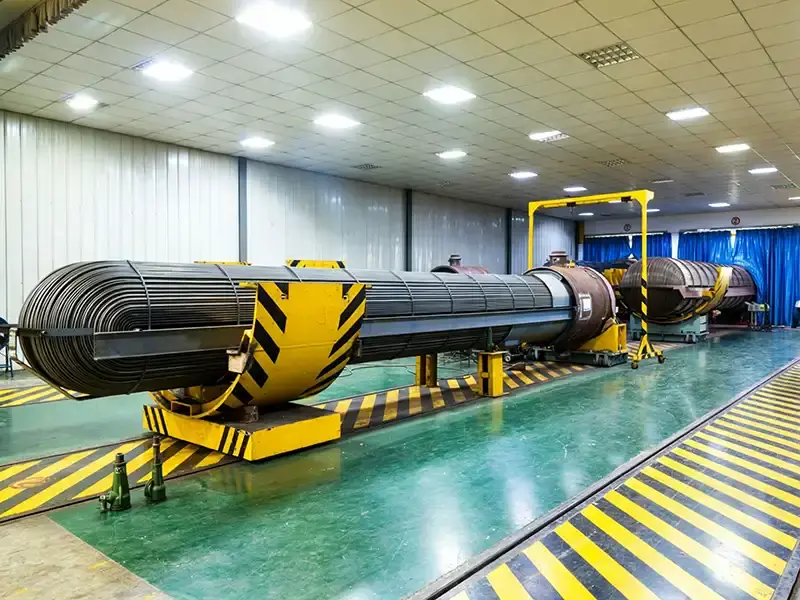
Ru-Ir coated titanium anodes are widely used in water and wastewater treatment, electroplating, cathodic protection, chlor-alkali production, metal recovery, swimming pool disinfection, seawater electrolysis, and chemical industries.
Choosing the right titanium anode depends on several important factors, such as electrolyte composition, working temperature, pH value, current density, required lifespan, installation conditions, and coating type. A suitable anode design helps improve production efficiency, reduce maintenance costs, and ensure stable system operation over time.
 |
 |
 |
 |
Features of Ru-Ir Coated Titanium Anode
Superior Corrosion Resistance、Ultra-Long Service Life、High Electrocatalytic Activity & Efficiency、Eco-Friendly、Low Maintenance




Full Customization Solutions to Meet Your Specific Needs!
Customization Available (Size, Material, Coating, Shape, Lifespan & Installation)
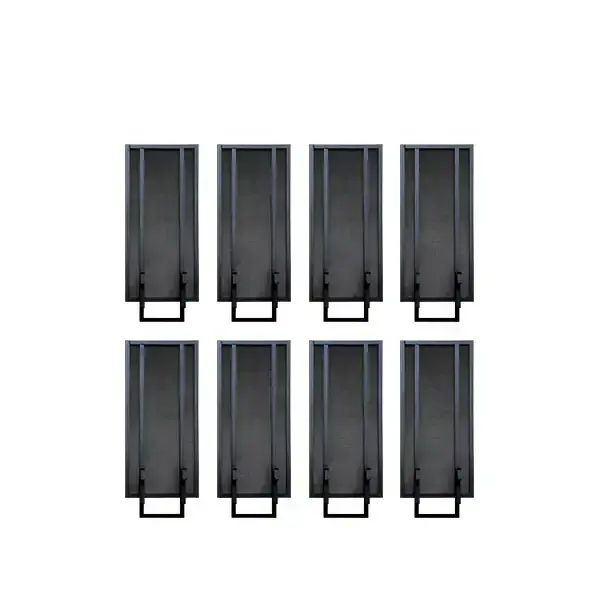
The following customizations are available for Ru-Ir Coated Titanium Anode to meet different industrial requirements:
- Size Customization: Titanium thickness ranges from 0.5–10 mm. Length, width, diameter, mesh size, and active surface area can be customized according to current load and system structure.
- Material Customization: Gr1 titanium offers good ductility, Gr2 titanium provides excellent corrosion resistance, while Gr7/Gr12 titanium is suitable for harsh chemical environments.
- Coating Customization: Ru-Ir coating is ideal for chlorine evolution, Ir-Ta coating supports oxygen evolution, Pt coating fits precision systems, and composite MMO coatings are available for special applications.
- Shape Customization: Available in mesh, plate, tube, rod, wire, ribbon, and fully customized structures.
- Lifespan Customization: Options include 2–5 years, 5–10 years, and 10–20+ years depending on operating conditions.
- Installation & Connection: Support for titanium/copper connectors, busbar systems, bolt fixing, and flange installation for stable operation.
Why Choose Titanium Anode from HY Ti-Ni Import & Export?
At Hengyi Ti-Ni Import Export, we specialize in titanium-based electrochemical materials with strong engineering capability in anode system design.

HY Ti-Ni Import & Export is a specialized supplier dedicated to the manufacturing and export of high-performance titanium anode products for industrial electrochemical applications.
Located in Baoji, China, a major titanium manufacturing center, we benefit from a strong supply chain, advanced processing equipment, and experienced engineering support. Our product range includes MMO titanium anodes, platinum-coated titanium anodes, mesh anodes, plate anodes, tubular anodes, rod anodes, and customized insoluble electrode systems.
We maintain strict quality control from titanium substrate selection to coating preparation, thermal decomposition sintering, and final performance testing. Every product follows international quality standards and customer technical requirements.
With flexible OEM/ODM capabilities, fast response, stable quality, and professional export experience, HY Ti-Ni Import & Export provides durable, efficient, and cost-effective titanium anode solutions for global customers.
Titanium Anode Purchase Guide: A Comprehensive Guide
Selecting the correct Ru-Ir coated titanium anode is important for system performance, operating cost, and long-term stability. Before purchasing, users should understand their working environment and electrochemical requirements.
Key factors include electrolyte composition, pH value, chloride concentration, operating temperature, current density, electrode size, installation method, and target lifespan. Different applications may require different coating formulas and titanium structures.
For example, water treatment systems often require strong chlorine evolution performance, while cathodic protection systems may focus on long-term durability and stable current distribution. Electroplating applications may need customized shapes and higher coating precision.
Before placing an order, it is recommended to provide working drawings, operating parameters, voltage range, electrolyte details, and expected service life. This helps manufacturers recommend the most suitable coating formula and product structure.
Choosing a reliable supplier with strong engineering experience and strict quality control can greatly improve production efficiency and reduce maintenance costs.
Purchase Guide
1. What is a Ru+Ir coated titanium electrode? |
Products Introduction
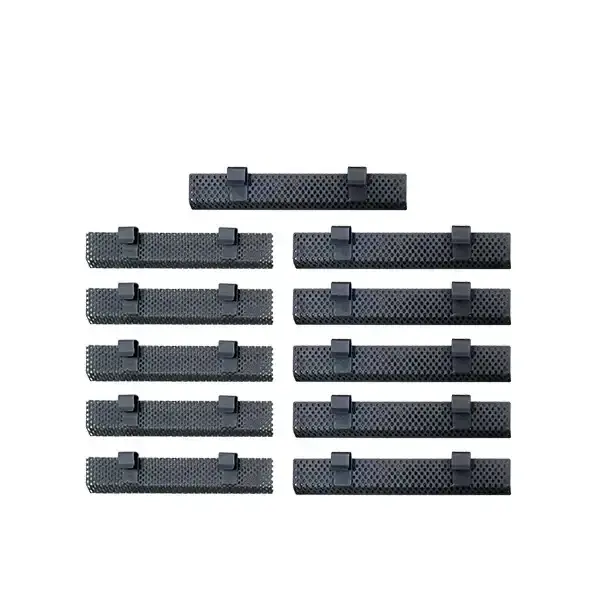
What is Ru+Ir coated titanium electrode?
Ru+Ir coated titanium electrode is an insoluble anode made from a titanium substrate coated with ruthenium oxide and iridium oxide mixed metal oxides. It is specifically designed for industrial electrochemical applications requiring high catalytic activity, corrosion resistance, and dimensional stability.
Ru+Ir coated titanium electrode performs efficiently in chlorine evolution, oxygen evolution, and oxidation processes. It is widely used in water treatment, electroplating, chlor-alkali production, seawater electrolysis, and chemical processing industries.
Main Technical Parameters of Titanium Anode
| Parameter | Standard Range |
|---|---|
| Substrate Material | Gr1 / Gr2 Titanium |
| Coating Type | Ru-Ir / Ir-Ta / Pt / MMO |
| Coating Thickness | 8–20 μm |
| Working Current Density | 500–2000 A/m² |
| Operating Temperature | ≤ 80°C |
| pH Range | 1–14 |
| Titanium Thickness | 0.5–5.0 mm |
| Coating Life | 1–10 Years |
| Base Shape | Mesh / Plate / Tube / Rod / Ribbon |
Specifications of Titanium Anode
| Type | Standard Size |
|---|---|
| Titanium Mesh Anode | Customized |
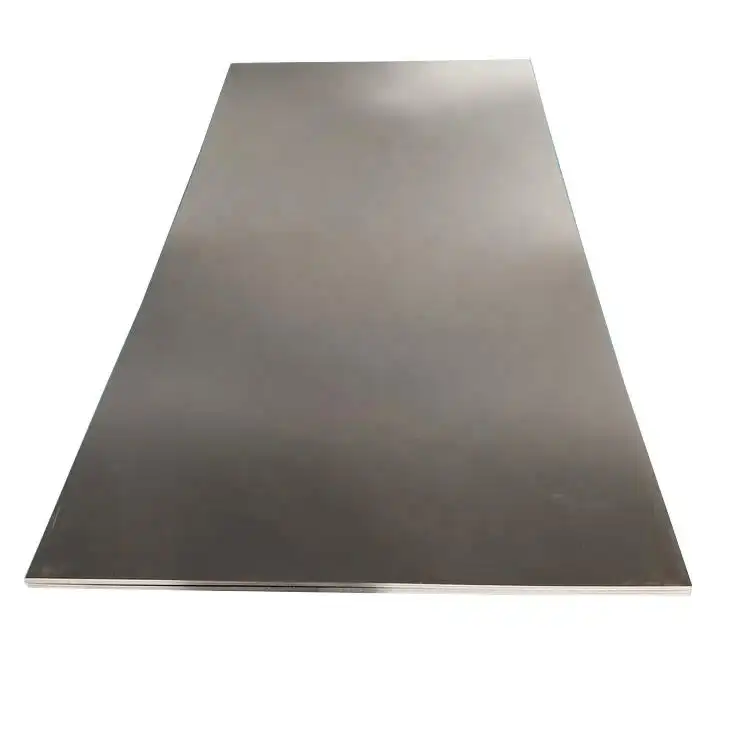
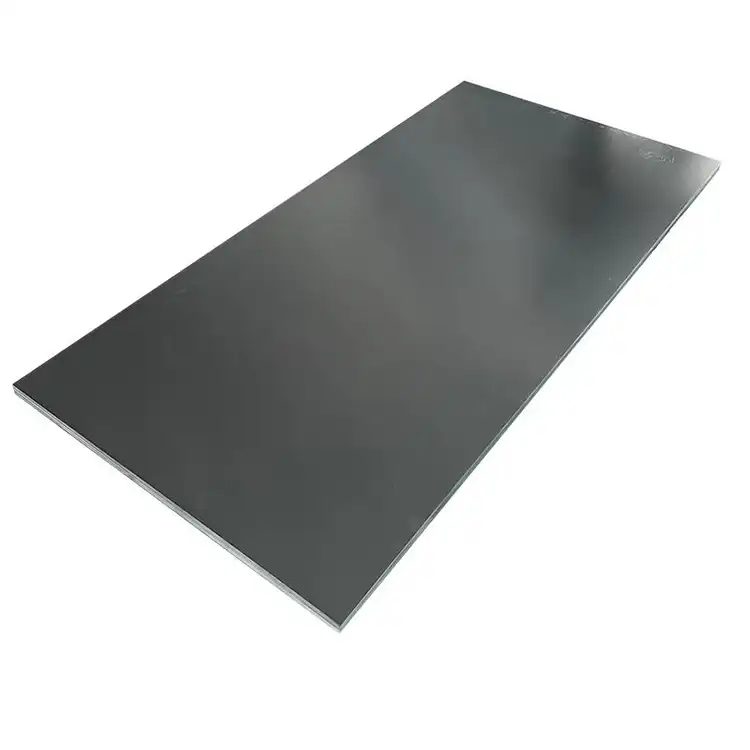
| Titanium Plate Anode | 100×100 mm – 1500×1000 mm |
| Titanium Rod Anode | Diameter 1–50 mm |
| Titanium Tube Anode | Diameter 10–200 mm |
| Titanium Ribbon Anode | Customized |
| Titanium Wire Anode | Diameter 0.5–10 mm |
Cerrent output of Standard Titanium Anode
| Application | Recommended Current Density |
|---|---|
| Water Treatment | 500–1200 A/m² |
| Electroplating | 1000–2000 A/m² |
| Cathodic Protection | 100–600 A/m² |
| Chlor-Alkali Industry | 1500–3000 A/m² |
| Metal Recovery | 800–1500 A/m² |
| Seawater Electrolysis | 500–1200 A/m² |
Applications of MMO Titanium Anode
Be used in a wide range of industries.
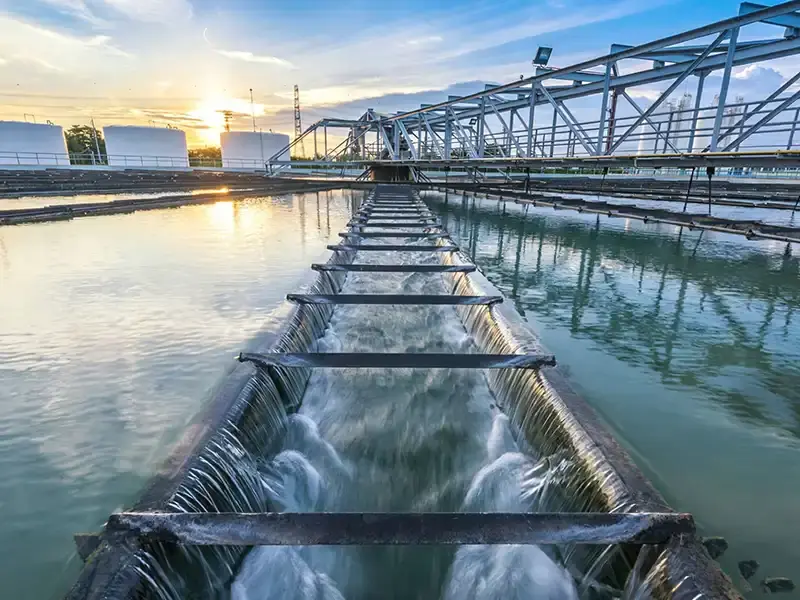
Water Treatment Industry
Electroplating Industry
Chlor-Alkali Industry
Marine Engineering
Hydrogen Energy Industry
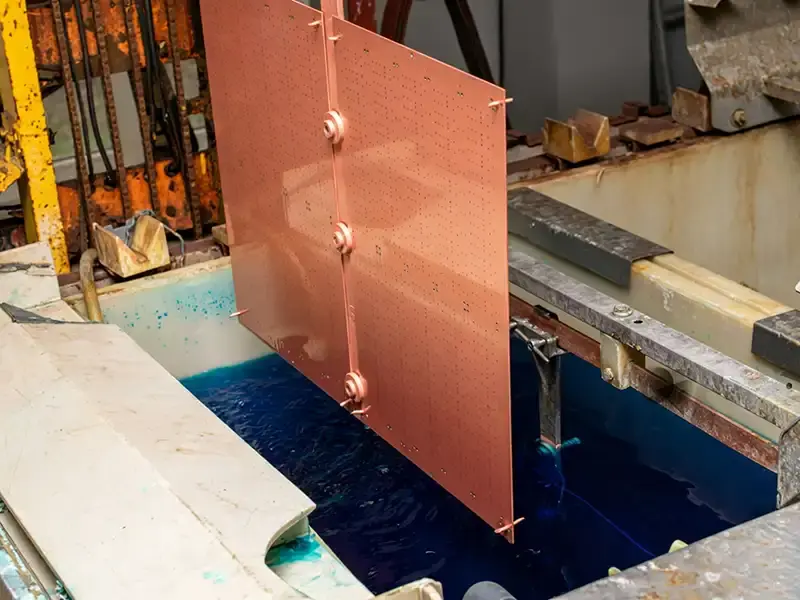
Mining and Metal Recovery
How to Purchase the Suitable Titanium Anode
To select the right Ru+Ir coated titanium electrode, customers should first provide key operating data such as electrolyte type, current density, temperature, pH value, and expected lifespan. These parameters directly determine coating formulation and structural design.
Next, select the proper electrode type including mesh, plate, rod, tube, or ribbon based on equipment requirements and installation methods. Customers should also consider maintenance intervals, operating cost, and energy efficiency.
HY Ti-Ni Import & Export provides professional engineering consultation and OEM customization services to ensure every Ru+Ir coated titanium electrode perfectly matches customer requirements, helping improve efficiency, reduce maintenance frequency, and lower total operational cost.
FAQ
1. What is the difference between Ru-Ir coating and platinum coating?
Ru-Ir coating provides excellent chlorine evolution performance and cost efficiency, while platinum coating offers higher conductivity and special corrosion resistance.
2. What is the service life of a Ru-Ir coated titanium anode?
The lifespan usually ranges from 1 to 10 years, depending on current density, electrolyte composition, and operating conditions.
3. Can titanium anodes be customized?
Yes. Size, shape, coating type, connection method, and service life can all be customized.
4. What titanium grades are available?
Common titanium grades include Gr1, Gr2, and Gr7 titanium.
5. What industries commonly use Ru-Ir coated titanium anodes?
Water treatment, electroplating, chlor-alkali, cathodic protection, metal recovery, and chemical processing industries.
6. What information should I provide before ordering?
Please provide application details, electrolyte composition, working temperature, voltage, current density, dimensions, and required lifespan.
7. Does HY Ti-Ni Import & Export support OEM service?
Yes. We provide OEM and ODM manufacturing according to drawings and technical requirements.
8. How long is the production lead time?
Production time depends on product size and order quantity. Standard orders usually take 7–20 working days.
Our Factory
Production site
State-of-the-art manufacturing for titanium anodes, precision coating and quality control.

Choseing titanium substrate
|

Substrate Cutting
|

Sandblasting
|

Pickling
|

Laser Cutting Configure Precious
Metal
|

Coating
|

Sintering
|

Packaging
|
Workshop
Precision machining and coating workshop for titanium anodes.

Titanium anode coating workshop
|

Thermal decomposition sintering furnace workshop
|

Titanium mesh anode production area
|

Pickling/surface treatment process
|

Pickling/surface treatment process
|

Quality inspection workshop
|

Worker operation photos
|

Panoramic view of a clean production line
|
Quality inspection
Rigorous testing for coating adhesion, electrochemical performance, and durability.

Dimension Inspection
|

Coating Thickness Testing
|

Coating Adhesion Testing
|

Microstructure Analysis
|

Conductivity Testing
|

Corrosion Resistance Testing
|

Bond Strength Testing
|

Final Inspection & Packaging
|
Packaging
Professional packaging to prevent damage and corrosion during transportation.
 |
 |
 |
 |
 |
 |
 |
 |
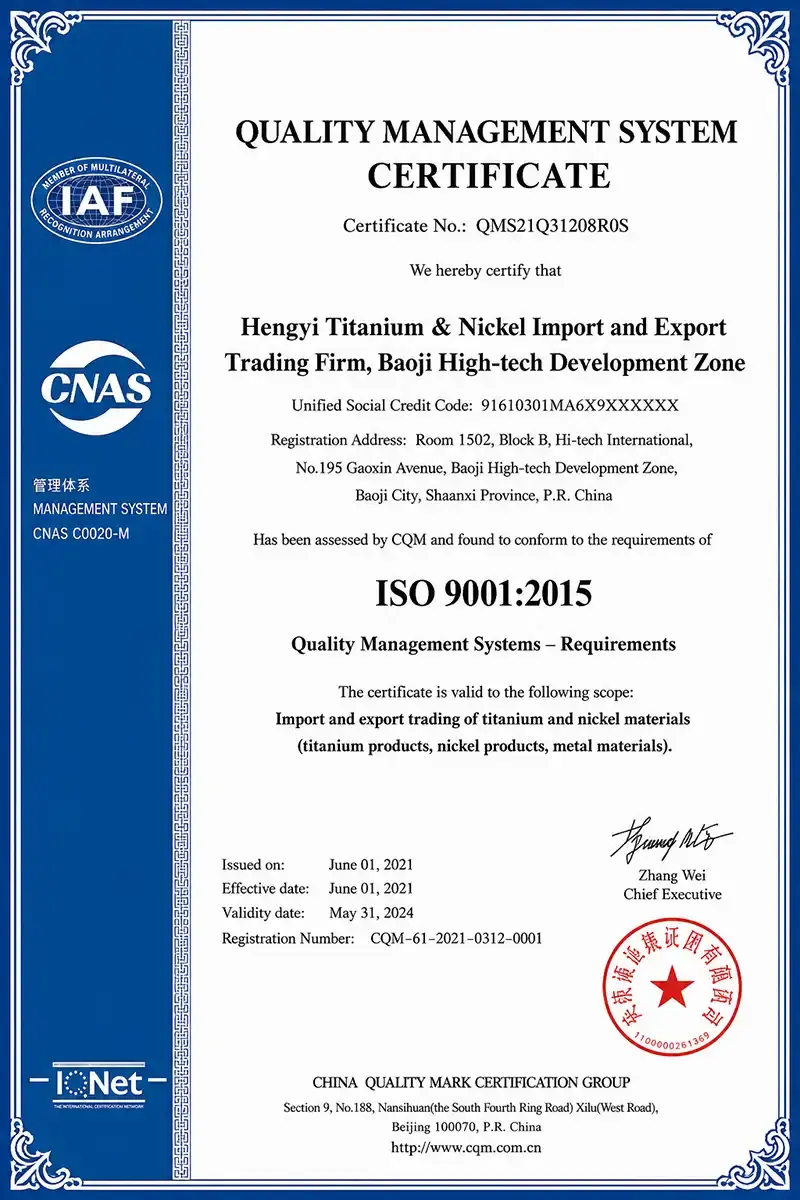
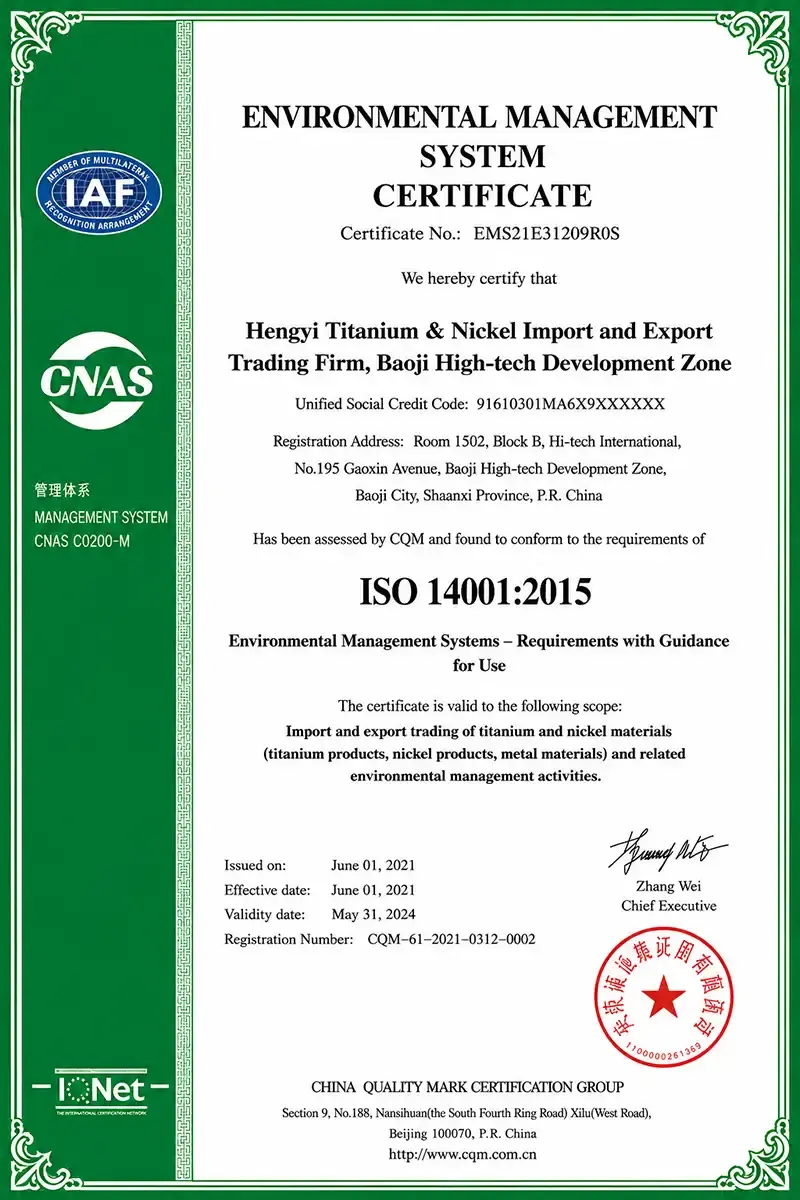
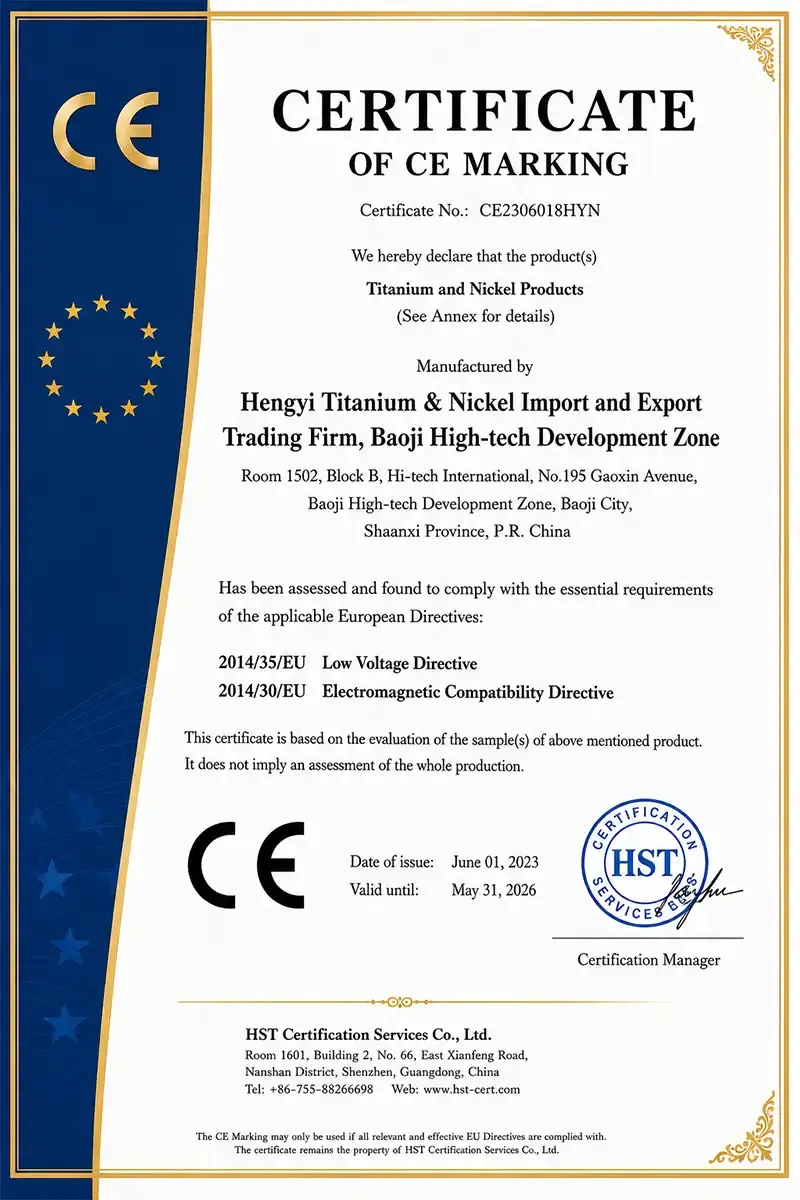
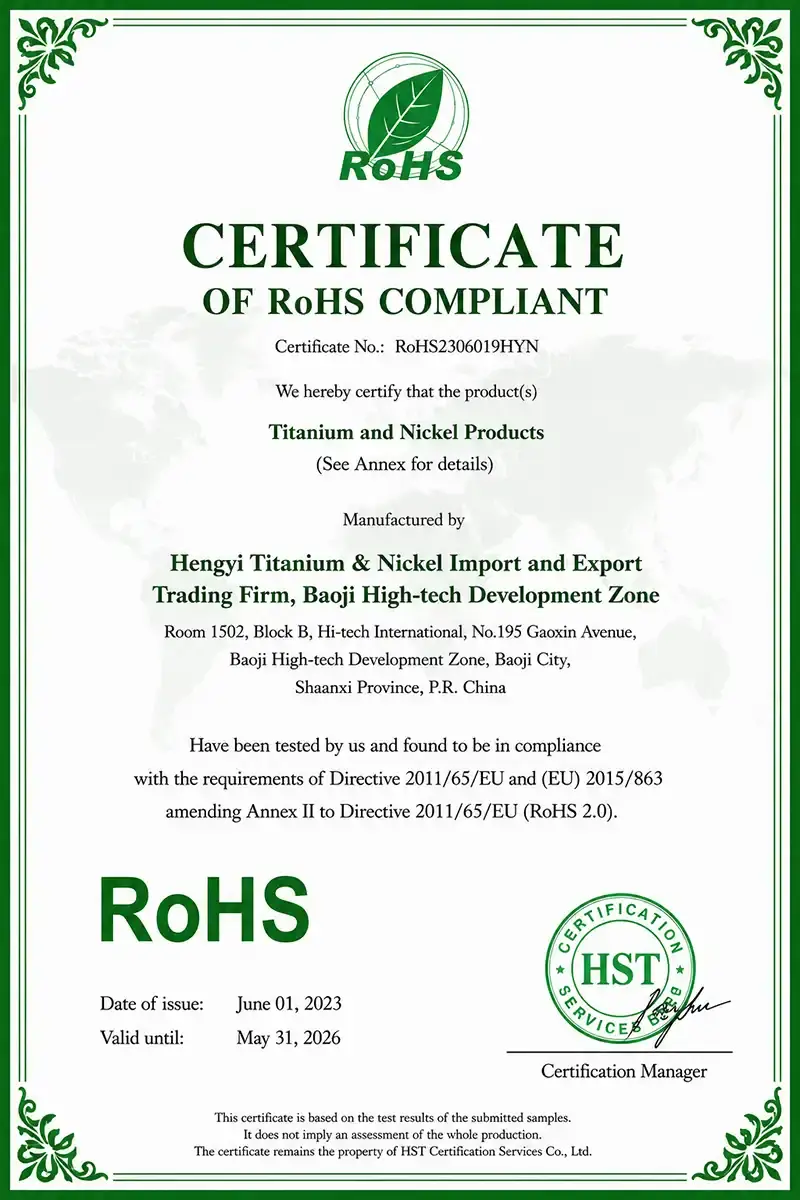
Certifications
International certifications ensuring quality and environmental compliance.
_1781483791082.jpg)
Learn about our latest products and discounts through SMS or email