- English
- French
- German
- Portuguese
- Spanish
- Russian
- Japanese
- Korean
- Arabic
- Greek
- German
- Turkish
- Italian
- Danish
- Romanian
- Indonesian
- Czech
- Afrikaans
- Swedish
- Polish
- Basque
- Catalan
- Esperanto
- Hindi
- Lao
- Albanian
- Amharic
- Armenian
- Azerbaijani
- Belarusian
- Bengali
- Bosnian
- Bulgarian
- Cebuano
- Chichewa
- Corsican
- Croatian
- Dutch
- Estonian
- Filipino
- Finnish
- Frisian
- Galician
- Georgian
- Gujarati
- Haitian
- Hausa
- Hawaiian
- Hebrew
- Hmong
- Hungarian
- Icelandic
- Igbo
- Javanese
- Kannada
- Kazakh
- Khmer
- Kurdish
- Kyrgyz
- Latin
- Latvian
- Lithuanian
- Luxembou..
- Macedonian
- Malagasy
- Malay
- Malayalam
- Maltese
- Maori
- Marathi
- Mongolian
- Burmese
- Nepali
- Norwegian
- Pashto
- Persian
- Punjabi
- Serbian
- Sesotho
- Sinhala
- Slovak
- Slovenian
- Somali
- Samoan
- Scots Gaelic
- Shona
- Sindhi
- Sundanese
- Swahili
- Tajik
- Tamil
- Telugu
- Thai
- Ukrainian
- Urdu
- Uzbek
- Vietnamese
- Welsh
- Xhosa
- Yiddish
- Yoruba
- Zulu
Titanium Anode Applications: Revolutionizing Modern Industries with Advanced Electrochemical Solutions
Titanium Anode Applications: Match the Coating to the Process
Coated titanium anodes are used in electroplating, electrochlorination, cathodic protection and other electrochemical processes. The titanium provides the substrate; the active coating and operating conditions determine whether the electrode is suitable for a particular reaction. Select the anode by the process requirement rather than the word “titanium” alone.
This guide explains the information an industrial buyer should provide when comparing titanium anodes, including auxiliary anodes for electroplating. It does not treat one coating, current rating or lifespan as suitable for every application.
Electroplating and Titanium Auxiliary Anodes
In a plating installation, auxiliary anodes can be positioned to help deliver current to selected workpiece areas. For complex aluminum wheel geometry, selection includes the target surface, wheel and rack drawings, anode placement, bath chemistry and electrical arrangement.
The deposited metal is not necessarily the material used in the anode coating. Specify the plating stage and bath separately from the requested electrode. A coating used in a chloride process should not automatically be selected for a different plating bath.
When evaluating a titanium auxiliary anode manufacturer or supplier, ask for a drawing-based proposal, the applicable coating specification, operating limits and inspection scope. For a wheel-plating requirement, review the auxiliary anode for aluminum wheel plating. For other plating processes, see the copper-plating anode and gold-plating anode pages.
Other Industrial Applications
| Application | What the buyer should specify |
|---|---|
| Chlor-alkali and electrochlorination | Electrolyte composition, operating temperature, target reaction, geometry and current density |
| Water and wastewater treatment | Feed-water chemistry, treatment objective, cell design and operating conditions; electrode selection does not alone establish treatment performance |
| Water electrolysis | Electrolyzer technology, anode reaction, electrolyte and cell design; confirm substrate and coating compatibility |
| Metal electrowinning | Metal-recovery process, electrolyte composition, impurities, operating temperature and desired anode reaction |
| Impressed current cathodic protection | Protected structure, installation environment, required current, geometry and design-life basis |
For ICCP applications, compare the MMO linear anode systems and MMO ribbon anode product pages. For a coating-specific discussion, review the Ru-Ir coated titanium electrode; confirm suitability for the actual electrolyte rather than applying the same coating across all uses.
A Practical Titanium Anode Procurement Checklist
- Define the process: plating, chlorine generation, oxidation or cathodic protection.
- Describe the environment: electrolyte or soil conditions, temperature, additives and relevant impurities.
- State electrical requirements: total current, active area or active length, current density and power-supply arrangement. Keep A/m² and mA/m specifications distinct.
- Provide geometry: dimensions, active surfaces, mounting, clearances and connection drawings.
- Agree on the coating: composition, loading and inspection basis for the intended reaction.
- Define acceptance: inspection records, application-specific performance criteria, service-life conditions and required documentation.
Questions Buyers Commonly Ask
Are all titanium anodes interchangeable?
No. Similar substrate material does not establish compatibility. Coating, geometry, electrolyte, current and the required reaction must be matched.
Can a manufacturer quote an auxiliary anode from wheel size alone?
Wheel size is only part of the information. Include the wheel and rack drawings, target area, plating stage, bath chemistry, installation clearance and electrical requirements.
Does a higher current rating guarantee longer life?
No. Compare the rating conditions, coating specification, operating duty and agreed design basis. Do not infer service life from a single current value.
Discuss Your Application with HYTi
Send the application, drawing, environment, electrical requirements and quantity to HYTi for a product quotation, or email jolina@bjhyti.com. Refer to the relevant product page when requesting a specific coating or assembly.
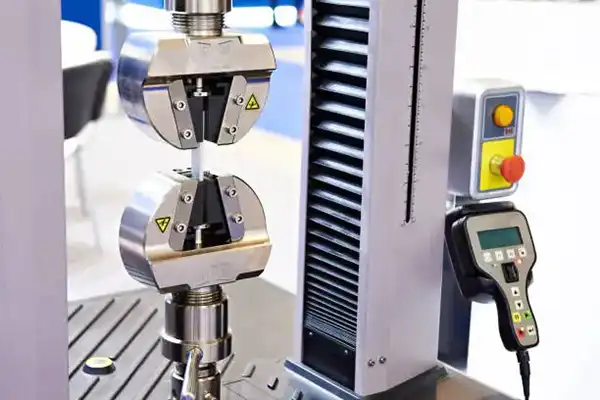
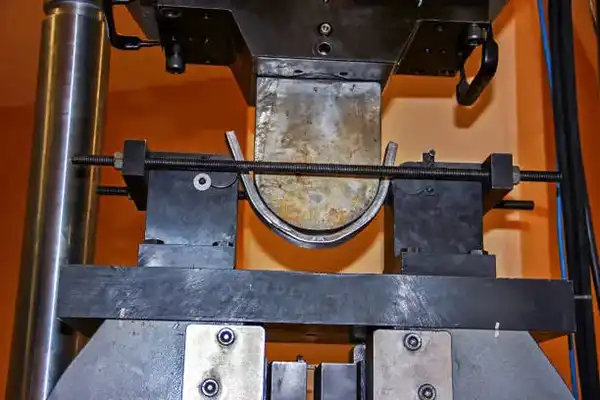
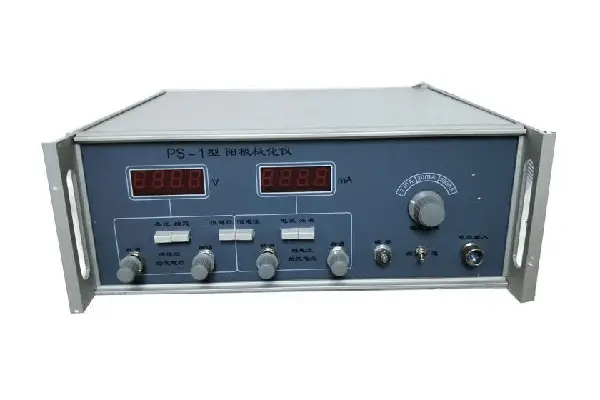
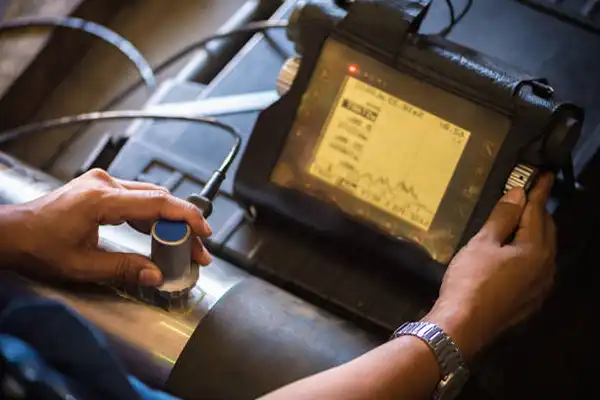
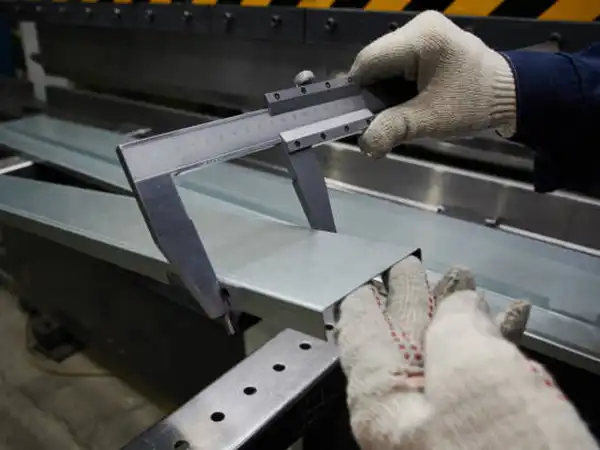
Product Quality Management


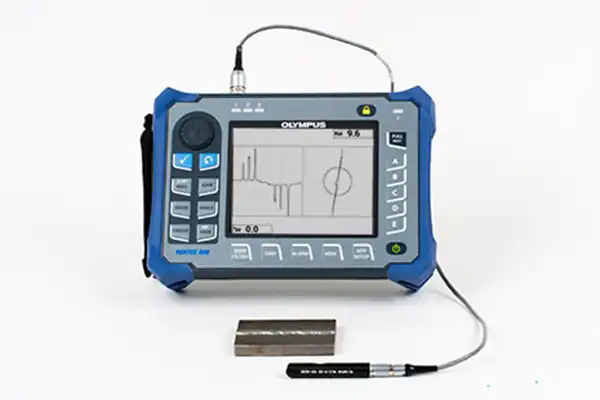

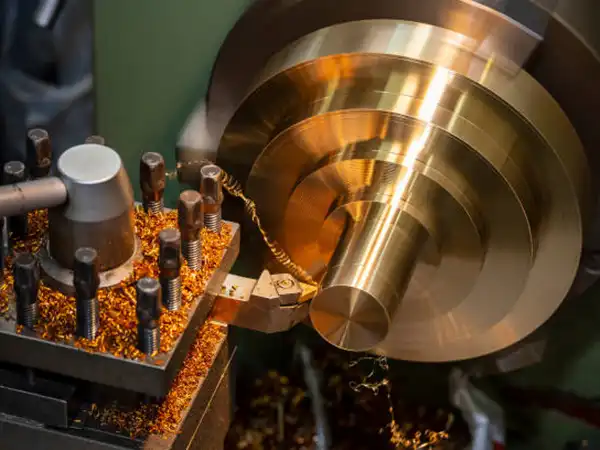
Production and Processing
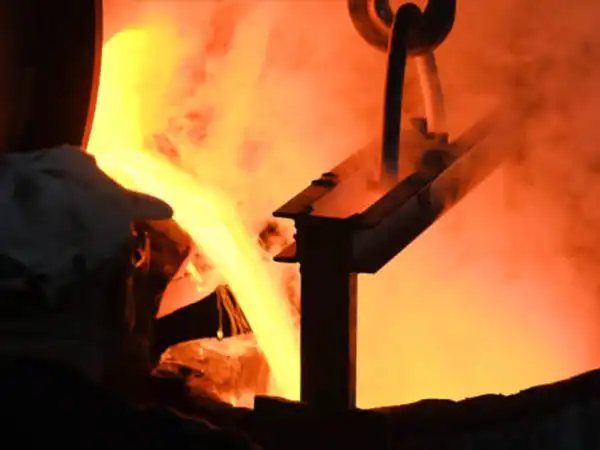
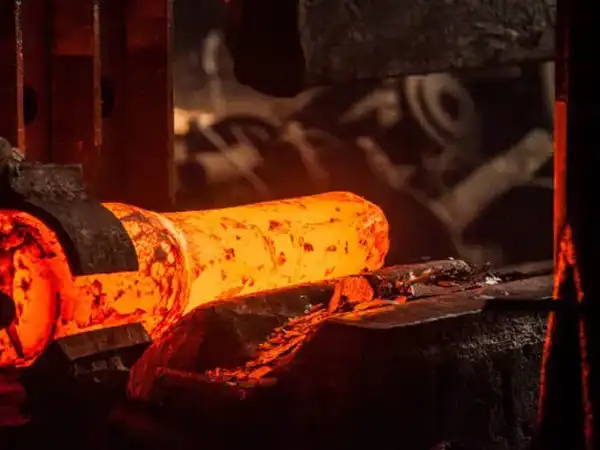

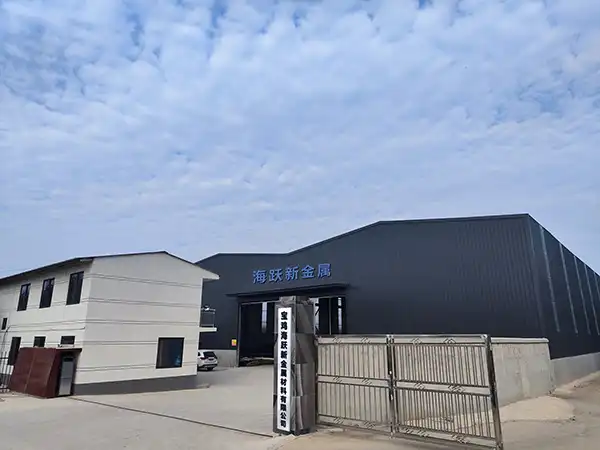
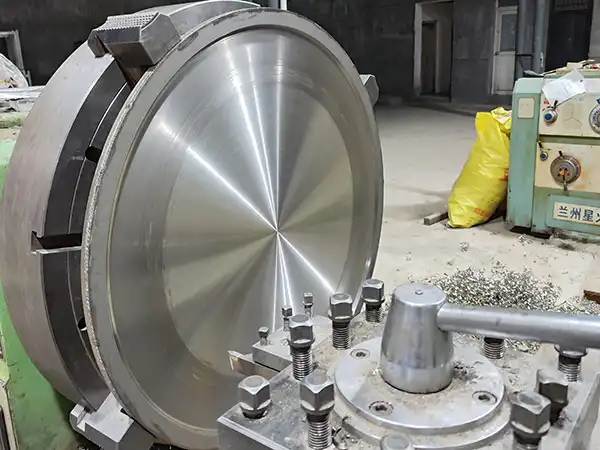
Workshop and Equipment
Packaging

Main Products
Applied Industries
Be used in a wide range of industries.
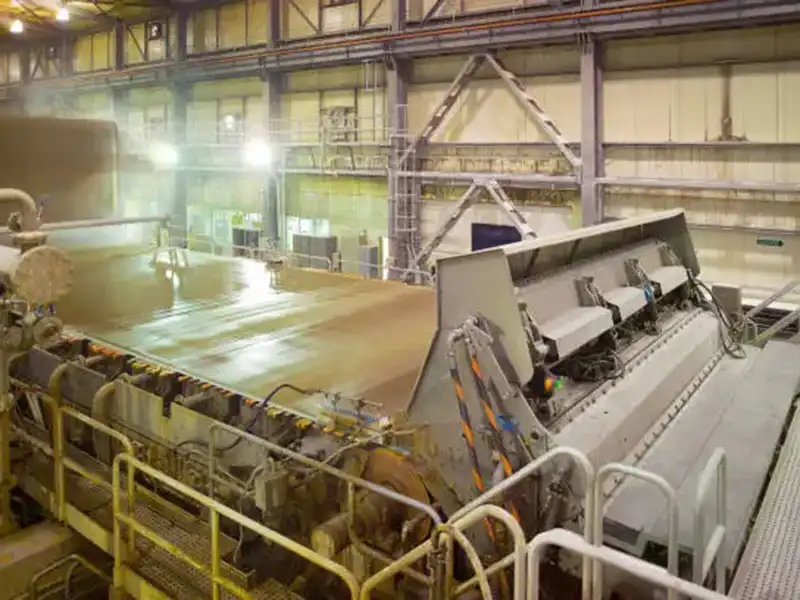
Electrolytic copper foil manufacturing industry
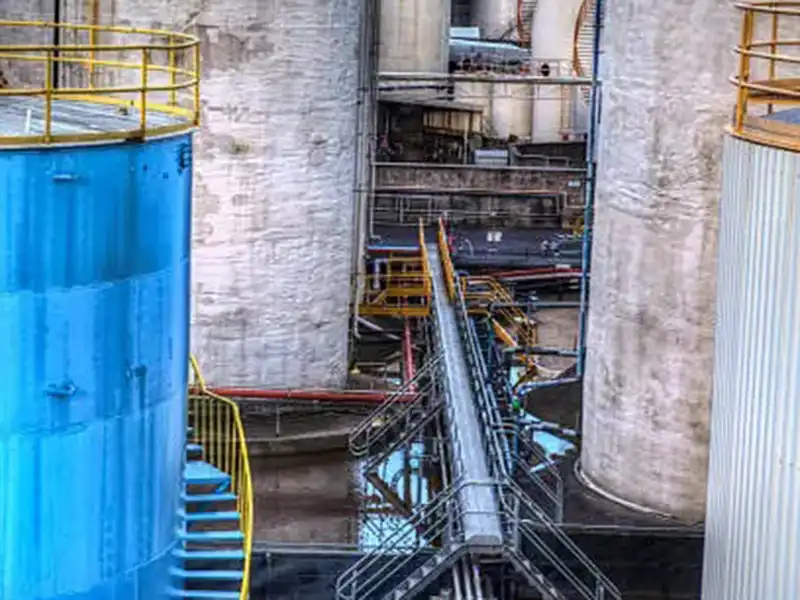
Hydrometallurgy industry
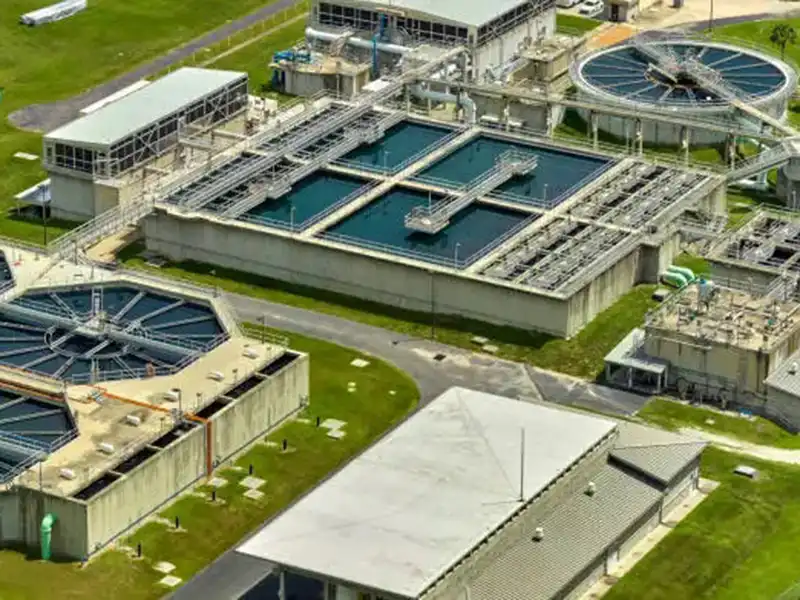
Sewage treatment industry
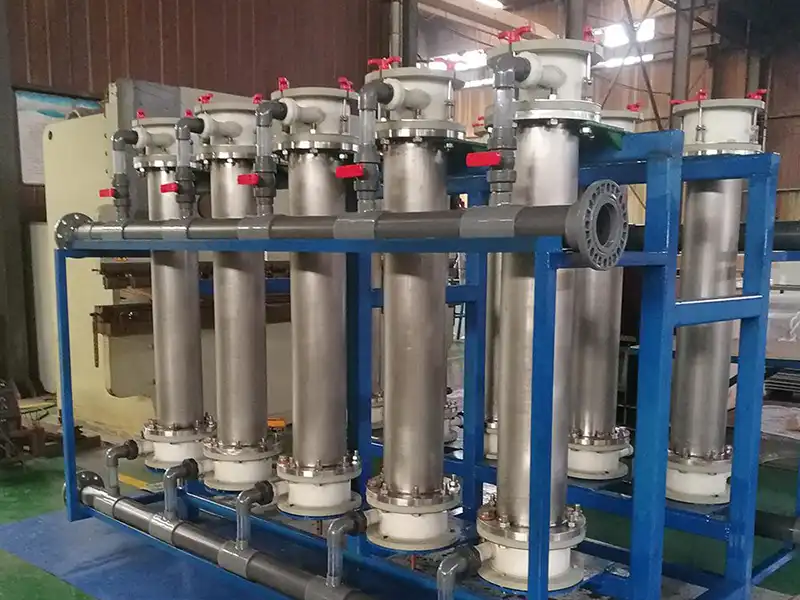
Cyclone electrolysis industry
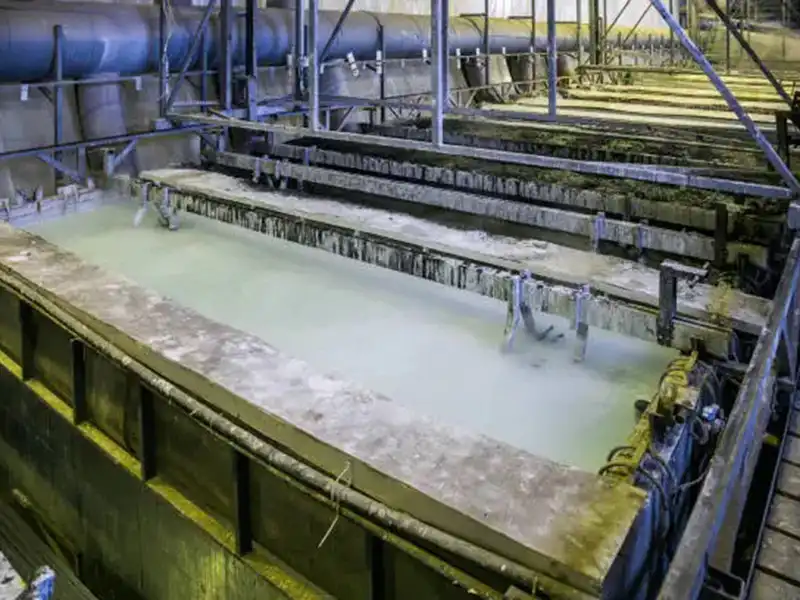
Etching liquid electrolysis recovery industry
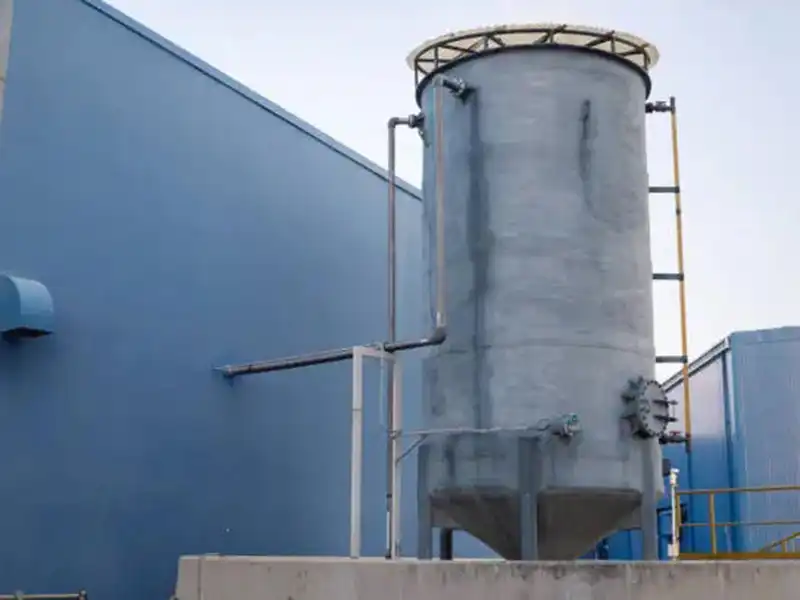
Electrolytic sodium hypochlorite industry

Learn about our latest products and discounts through SMS or email