- English
- French
- German
- Portuguese
- Spanish
- Russian
- Japanese
- Korean
- Arabic
- Greek
- German
- Turkish
- Italian
- Danish
- Romanian
- Indonesian
- Czech
- Afrikaans
- Swedish
- Polish
- Basque
- Catalan
- Esperanto
- Hindi
- Lao
- Albanian
- Amharic
- Armenian
- Azerbaijani
- Belarusian
- Bengali
- Bosnian
- Bulgarian
- Cebuano
- Chichewa
- Corsican
- Croatian
- Dutch
- Estonian
- Filipino
- Finnish
- Frisian
- Galician
- Georgian
- Gujarati
- Haitian
- Hausa
- Hawaiian
- Hebrew
- Hmong
- Hungarian
- Icelandic
- Igbo
- Javanese
- Kannada
- Kazakh
- Khmer
- Kurdish
- Kyrgyz
- Latin
- Latvian
- Lithuanian
- Luxembou..
- Macedonian
- Malagasy
- Malay
- Malayalam
- Maltese
- Maori
- Marathi
- Mongolian
- Burmese
- Nepali
- Norwegian
- Pashto
- Persian
- Punjabi
- Serbian
- Sesotho
- Sinhala
- Slovak
- Slovenian
- Somali
- Samoan
- Scots Gaelic
- Shona
- Sindhi
- Sundanese
- Swahili
- Tajik
- Tamil
- Telugu
- Thai
- Ukrainian
- Urdu
- Uzbek
- Vietnamese
- Welsh
- Xhosa
- Yiddish
- Yoruba
- Zulu
Auxiliary anode for aluminum wheel plating
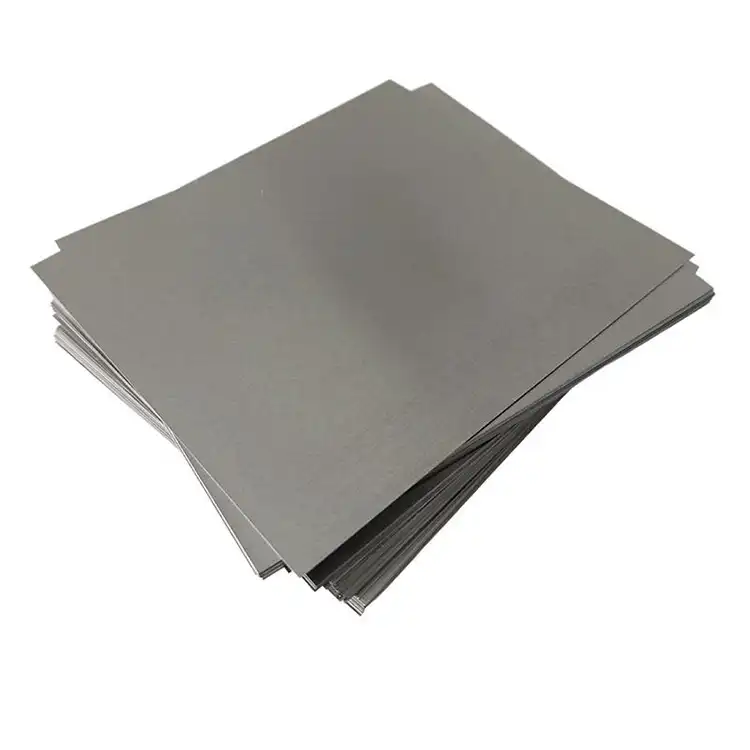
Substrate: titanium; grade and dimensions confirmed against the drawing.
Coating: selected for the plating bath and operating conditions.
Geometry: custom-shaped assemblies to match wheel, rack and tank layout.
Electrical limits and service life: confirmed for the active area, applied current and duty cycle.
Quotation information: wheel drawing, plating stage, bath details, connection requirements and quantity.
Titanium Auxiliary Anodes for Aluminum Wheel Electroplating
An auxiliary anode is positioned to help distribute plating current to selected areas of a complex workpiece. For aluminum wheels, the assembly must be reviewed against the wheel geometry, plating stage, bath chemistry and rack layout. A coated titanium auxiliary anode is not a universal replacement for every primary anode or plating process.
HYTi supports drawing-based auxiliary anode requirements for wheel plating. Specify the recessed or curved areas that need attention, the target coating thickness and the existing installation. Coating selection and current limits must be confirmed for the particular bath; the deposited metal and the anode coating are different specification items.
Information needed to select an auxiliary anode
| Item | What to provide or confirm |
|---|---|
| Workpiece and target area | Wheel drawing, dimensions, recesses and areas with insufficient coating |
| Plating process | Deposited metal, bath chemistry, additives and operating temperature |
| Electrical requirements | Applied current, active anode area, current density basis and power-supply arrangement |
| Geometry and installation | Required shape, anode-to-workpiece clearance, rack, mounting and connection drawing |
| Coating and substrate | Project-specific coating composition, loading and titanium grade |
| Acceptance criteria | Target thickness distribution, inspection requirements and service-life basis |
Request a titanium auxiliary anode quotation
Send the wheel and installation drawings, plating stage, bath information, required quantity, connection details and acceptance criteria. Describe the coating-uniformity problem you want to address. Contact HYTi for drawing review and a quotation or email jolina@bjhyti.com.
For related plating requirements, see our titanium anode for copper plating and titanium anode for gold plating. Read the titanium anode application and selection guide for the distinction between process and coating requirements.
What Is Auxiliary Anode for Aluminum Wheel Plating and How to Choose the Right One for Your Industry?
An auxiliary anode for aluminum wheel plating is a specialized electrochemical component designed to improve current distribution, coating uniformity, and throwing power in complex wheel surface plating systems. Aluminum wheels have intricate geometries, deep recesses, and curved surfaces that make uniform metal deposition difficult using only primary anodes. Auxiliary anodes solve this issue by directing localized current to under-plated areas, ensuring consistent thickness and high-quality surface finishing.
For aluminum wheel electroplating, the auxiliary-anode coating must be selected for the actual bath chemistry and plating stage. Check compatibility with the bath supplier and project specification rather than assuming one coating suits every process.
Selecting the right auxiliary anode for aluminum wheel plating requires careful evaluation of wheel geometry, plating bath chemistry, current density distribution, tank design, and production requirements. Different shapes such as mesh, rod, and custom-formed anodes are used to match complex wheel structures. Proper selection significantly improves plating uniformity, reduces defects, and increases production efficiency.
HY Ti-Ni Import & Export provides advanced auxiliary anode solutions designed specifically for aluminum wheel plating systems with strong engineering support and customizable configurations.
 |
 |
 |
 |
Features of Auxiliary Anode for Aluminum Wheel Plating
Superior Corrosion Resistance、Ultra-Long Service Life、High Electrocatalytic Activity & Efficiency、Eco-Friendly、Low Maintenance




Full Customization Solutions to Meet Your Specific Needs!
Customization Available (Size, Material, Coating, Shape, Lifespan & Installation)
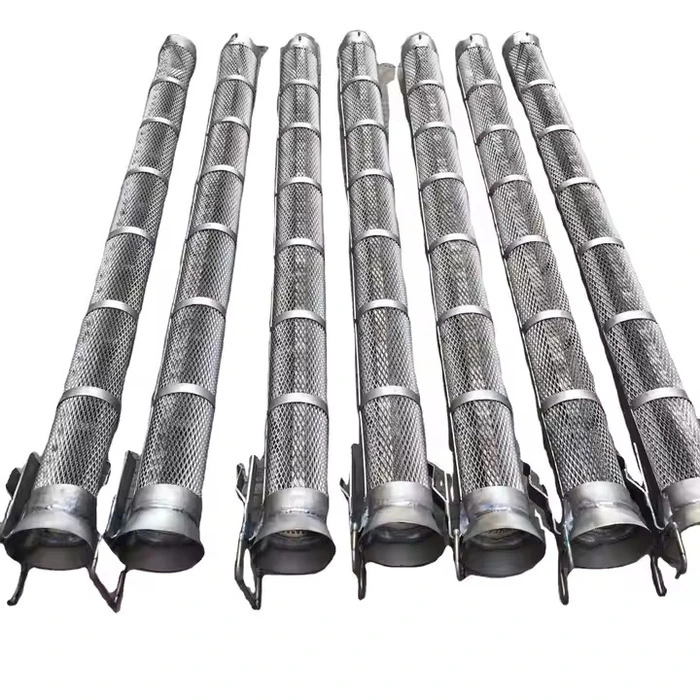
Auxiliary anode for aluminum wheel plating can be fully customized according to industrial requirements:
- Customized anode shape for wheel geometry
- Titanium Grade 1 / Grade 2 substrate selection
- Coating specification matched to the plating bath
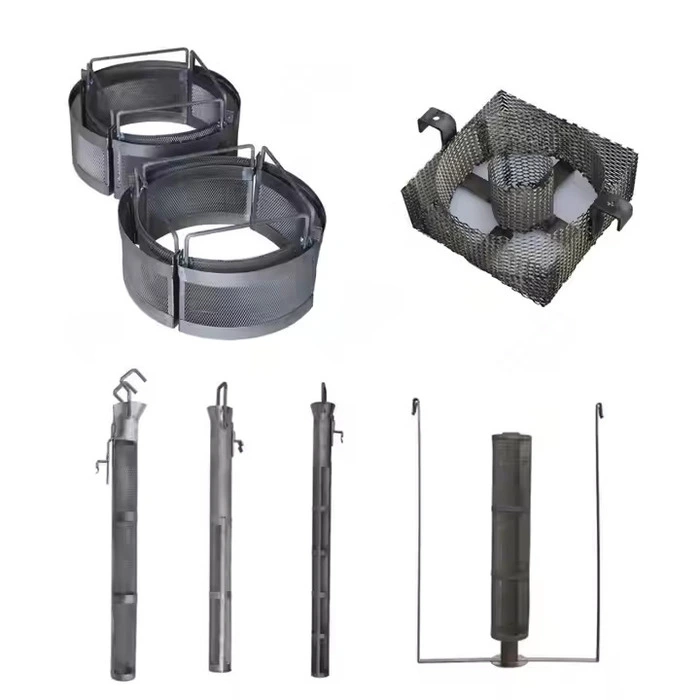
- Mesh, rod, plate, and shaped anode designs
- Customized current distribution optimization
- Adjustable service life according to production demand
- Flexible installation brackets and connectors
- OEM/ODM support for wheel plating systems
- Size customization for different tank layouts
- High-precision coating process customization
HY Ti-Ni Import & Export delivers fully customized auxiliary anode solutions to improve aluminum wheel plating quality, reduce defects, and enhance production efficiency.
Why Choose Titanium Anode from HY Ti-Ni Import & Export?
At Hengyi Ti-Ni Import Export, we specialize in titanium-based electrochemical materials with strong engineering capability in anode system design.

HY Ti-Ni Import & Export is a professional titanium anode manufacturer located in Baoji, China, specializing in high-performance electrochemical solutions.
- High-quality titanium raw materials
- Project-based coating selection
- Excellent corrosion resistance and durability
- Stable performance in harsh plating environments
- Strong OEM and ODM customization capability
- Strict quality inspection system
- Fast technical support and global delivery
- Proven experience in electroplating industries
We focus on delivering reliable, efficient, and cost-effective auxiliary anode solutions for global aluminum wheel plating applications.
Titanium Anode Purchase Guide: A Comprehensive Guide
Choosing the right auxiliary anode for aluminum wheel plating is essential for achieving uniform coating quality and high production efficiency. First, analyze the wheel geometry and identify areas prone to low current density, as these zones require targeted auxiliary anode placement.
Second, evaluate plating bath chemistry and operating current density, since different electrolyte compositions affect anode performance and coating stability. Coating loading and allowable operating current must be confirmed for the required duty cycle.
Third, consider tank layout and anode positioning. Proper installation ensures balanced current distribution across complex wheel surfaces, reducing defects such as burning or uneven thickness.
Operating temperature, plating speed, and expected production volume should also be evaluated before selection.
HY Ti-Ni Import & Export recommends providing full technical details such as wheel design drawings, bath composition, and production capacity requirements. Our engineering team will design a customized auxiliary anode solution to optimize plating uniformity, reduce rejection rates, and improve overall efficiency.
Purchase Guide
1. What is a Auxiliary anode for aluminum wheel plating? |
Products Introduction
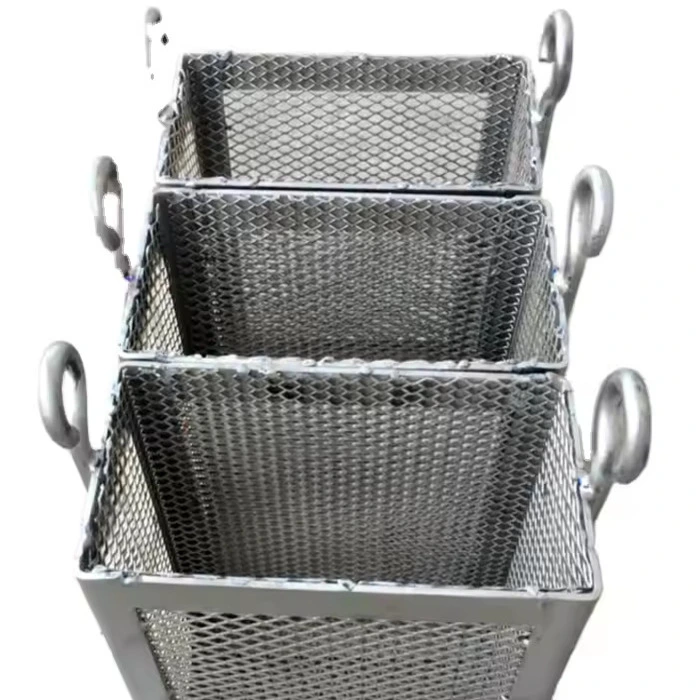
What Is Auxiliary anode for aluminum wheel plating?
An auxiliary anode for aluminum wheel plating is an electrochemical assist electrode used to improve current distribution during wheel electroplating processes. It works alongside primary anodes to enhance coating uniformity in recessed and complex wheel areas. The titanium substrate, catalytic coating and electrical connection are specified for the particular bath and operating conditions. These anodes are essential in automotive wheel manufacturing, where high-gloss decorative finishes and uniform thickness are critical quality requirements.
Main Technical Parameters
| Parameter | Project-specific requirement |
|---|---|
| Substrate | Titanium; grade and dimensions confirmed for the drawing |
| Coating | Composition and loading selected for the plating bath |
| Current density | Confirm the permitted operating range and active surface area basis |
| Operating temperature | Confirm compatibility with the bath and coating specification |
| Operating voltage | Determined by the plating circuit and installation |
| Coating thickness | Confirm the coating specification and inspection method |
| Service life | Agreed for the operating current, bath and duty cycle |
Specifications
| Item | Specification |
| Shape | Mesh / Rod / Custom-formed |
| Size | Customized for wheel tanks |
| Thickness | 0.5–3.0 mm |
| Length | Customized |
| Connection Type | Hook / Bolt / Cable |
| Mounting | Adjustable bracket system |
Cerrent output of Standard
| Electrical selection item | Requirement |
|---|---|
| Total current | Specify the intended auxiliary-anode current in amperes |
| Current density | State active area and the A/m² basis separately from total current |
| Power supply and connections | Provide the circuit and connection drawing |
| Operating limits | Confirm with the selected geometry, coating and bath conditions |
Applications of MMO Titanium Anode
Be used in a wide range of industries.

Water Treatment Industry
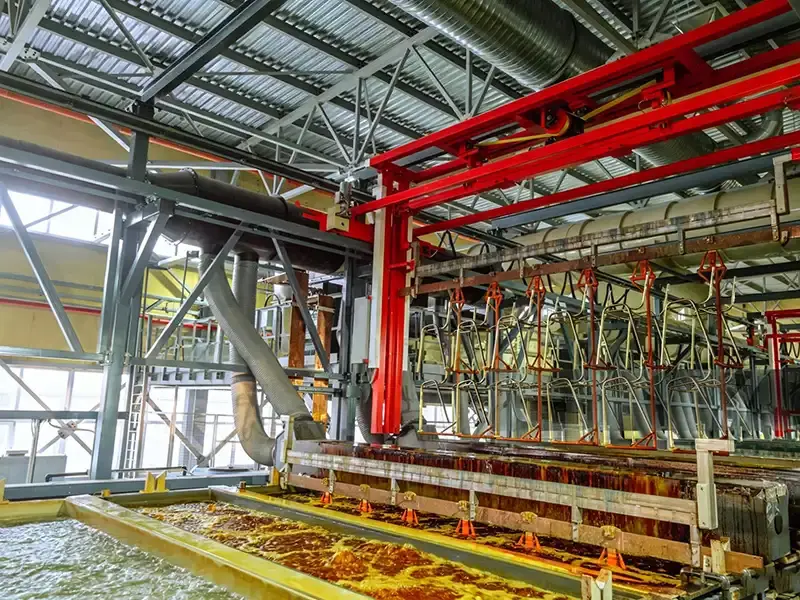
Electroplating Industry
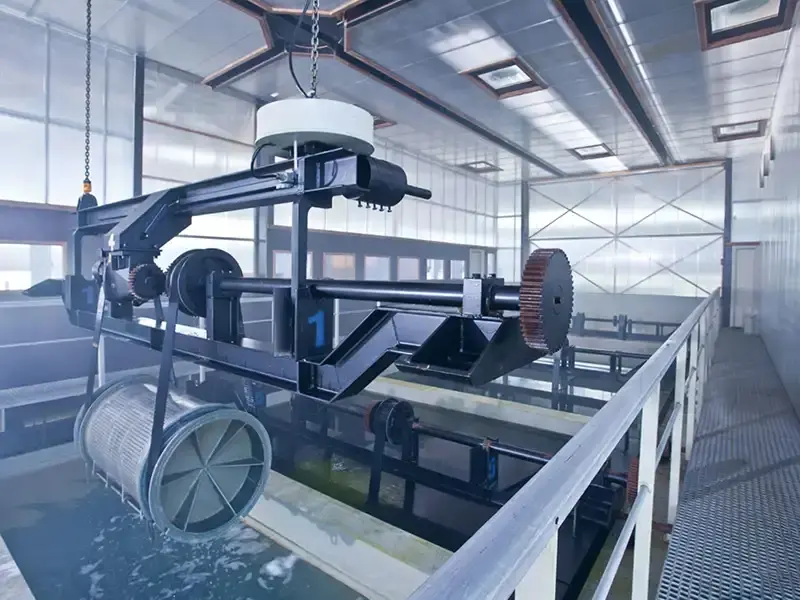
Chlor-Alkali Industry

Marine Engineering
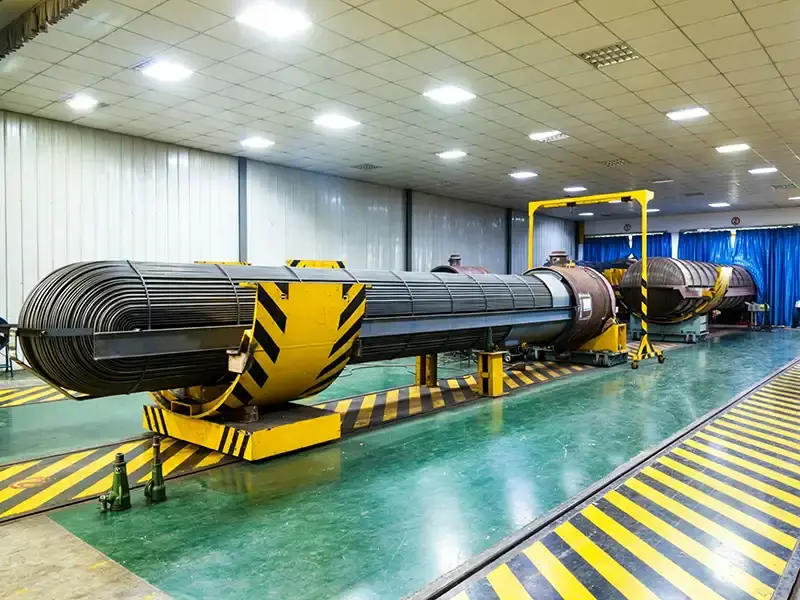
Hydrogen Energy Industry
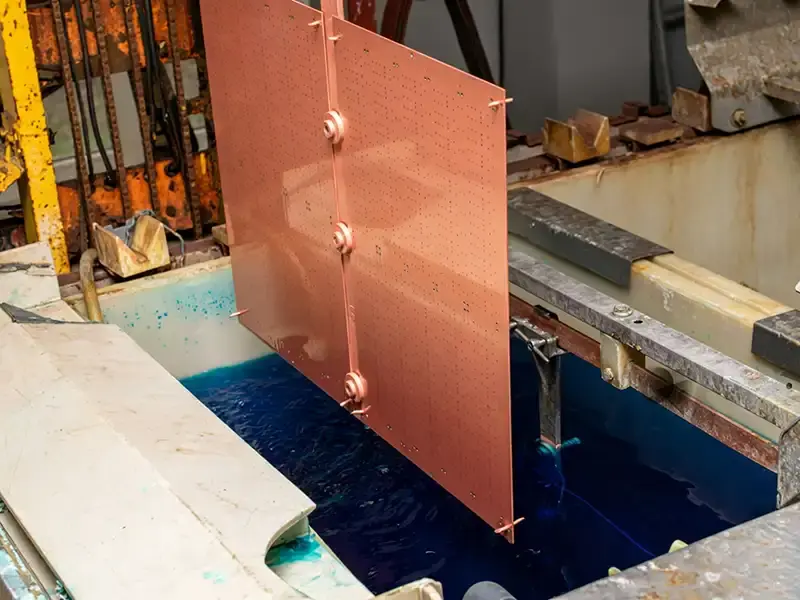
Mining and Metal Recovery
How to Purchase the Suitable Titanium Anode
- Provide aluminum wheel design drawings
- Confirm plating bath chemistry
- Define production capacity requirements
- Identify problem areas of current distribution
- Select suitable anode shape and structure
- Confirm installation method and tank size
- Evaluate operating current density
- Determine required service life
- Request OEM customization if needed
- Consult HY Ti-Ni engineering team
Before purchasing, detailed technical information should be provided to ensure accurate customization. HY Ti-Ni Import & Export will recommend the most suitable auxiliary anode solution to improve coating uniformity and production efficiency.
FAQ
Q1: Why are auxiliary anodes used in wheel plating?
They improve current distribution and coating uniformity on complex wheel surfaces.
Q2: Can auxiliary anodes be customized?
Yes, shape, size, coating, and structure can all be customized.
Q3: What coating is used?
Coating composition must be confirmed for the plating bath and operating conditions.
Q4: How long is the service life?
Service life must be agreed for the selected coating, operating current, bath chemistry and duty cycle.
Q5: Which industry uses auxiliary anodes most?
Automotive aluminum wheel plating and surface finishing industries.
Our Factory
Production site
State-of-the-art manufacturing for titanium anodes, precision coating and quality control.

Choseing titanium substrate
|

Substrate Cutting
|

Sandblasting
|

Pickling
|

Laser Cutting Configure Precious
Metal
|

Coating
|

Sintering
|

Packaging
|
Workshop
Precision machining and coating workshop for titanium anodes.

Titanium anode coating workshop
|

Thermal decomposition sintering furnace workshop
|

Titanium mesh anode production area
|

Pickling/surface treatment process
|

Pickling/surface treatment process
|

Quality inspection workshop
|

Worker operation photos
|

Panoramic view of a clean production line
|
Quality inspection
Rigorous testing for coating adhesion, electrochemical performance, and durability.

Dimension Inspection
|

Coating Thickness Testing
|

Coating Adhesion Testing
|

Microstructure Analysis
|

Conductivity Testing
|

Corrosion Resistance Testing
|

Bond Strength Testing
|

Final Inspection & Packaging
|
Packaging
Professional packaging to prevent damage and corrosion during transportation.
 |
 |
 |
 |
 |
 |
 |
 |
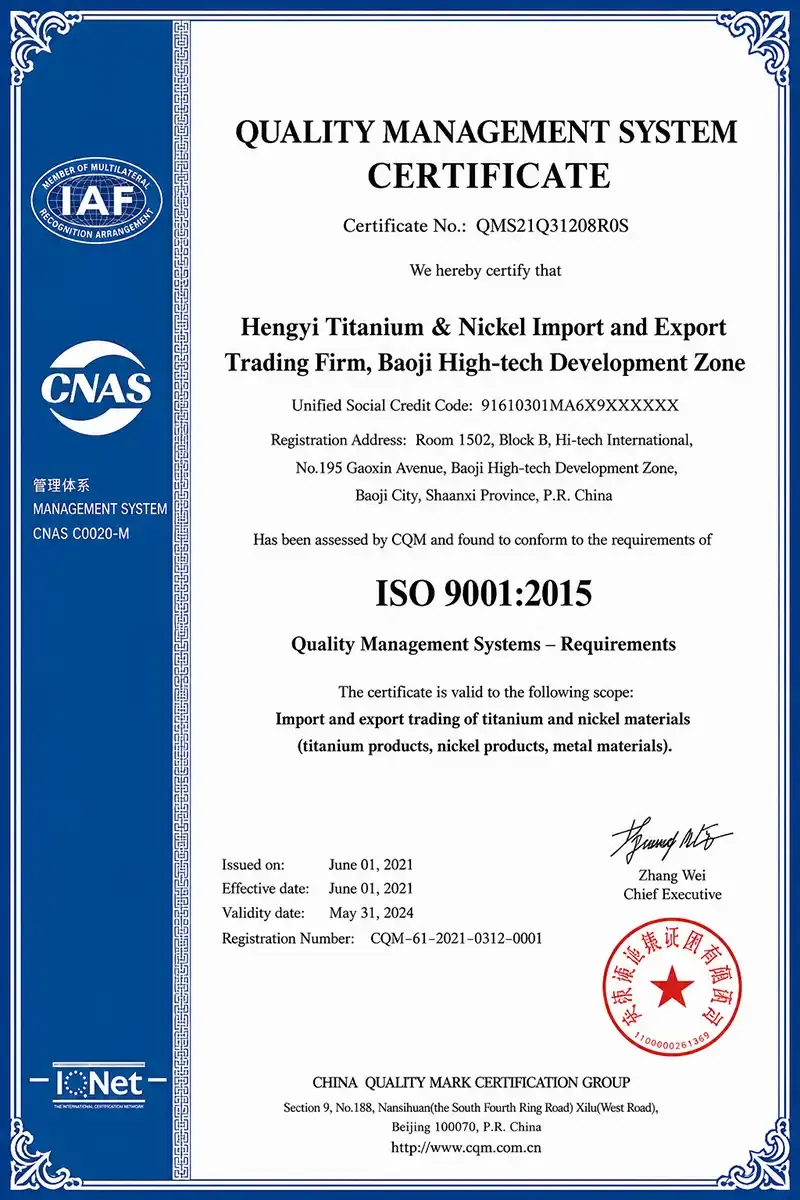
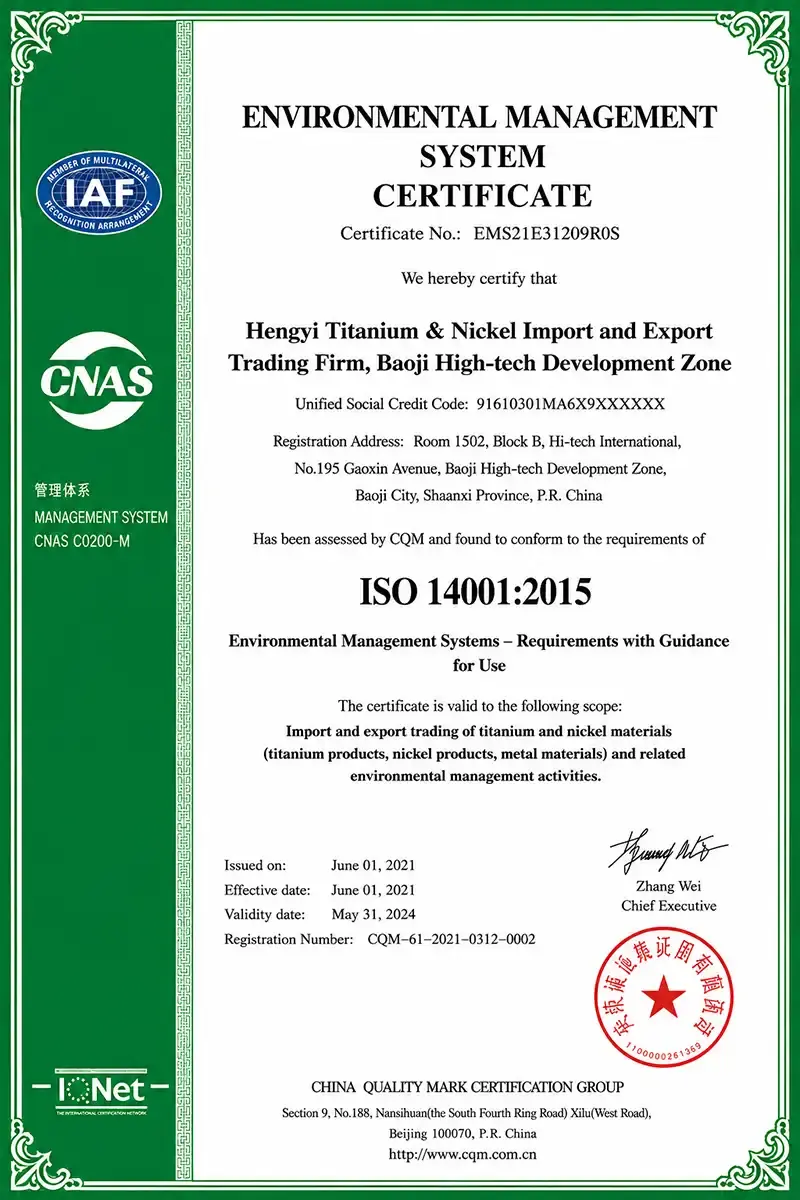
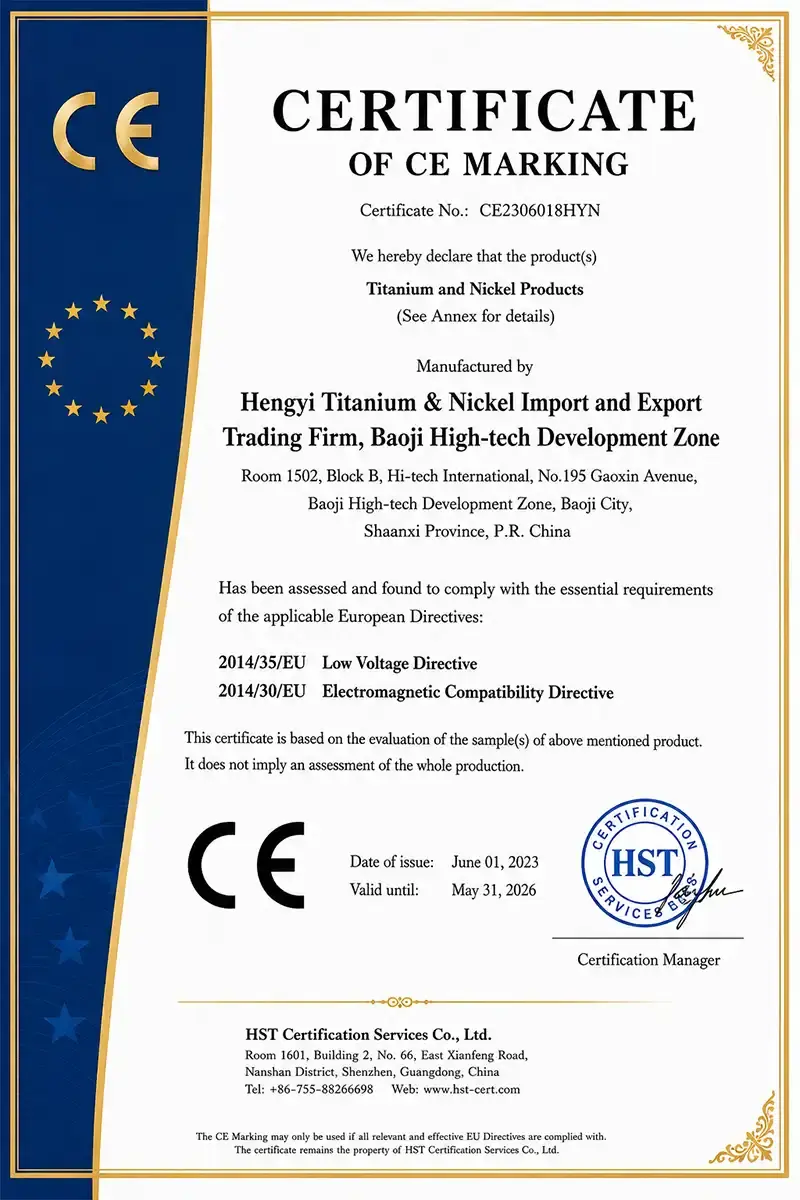
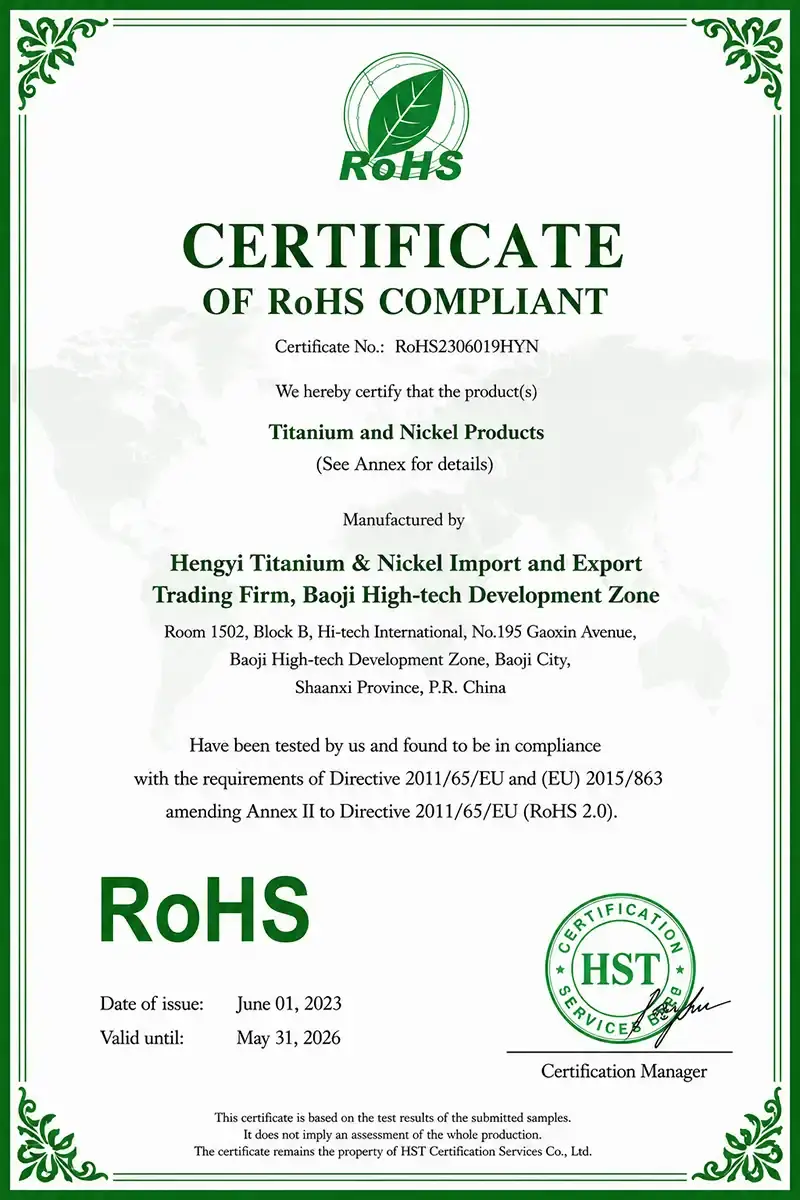
Certifications
International certifications ensuring quality and environmental compliance.


_1781676835731.jpg)
Learn about our latest products and discounts through SMS or email