- English
- French
- German
- Portuguese
- Spanish
- Russian
- Japanese
- Korean
- Arabic
- Greek
- German
- Turkish
- Italian
- Danish
- Romanian
- Indonesian
- Czech
- Afrikaans
- Swedish
- Polish
- Basque
- Catalan
- Esperanto
- Hindi
- Lao
- Albanian
- Amharic
- Armenian
- Azerbaijani
- Belarusian
- Bengali
- Bosnian
- Bulgarian
- Cebuano
- Chichewa
- Corsican
- Croatian
- Dutch
- Estonian
- Filipino
- Finnish
- Frisian
- Galician
- Georgian
- Gujarati
- Haitian
- Hausa
- Hawaiian
- Hebrew
- Hmong
- Hungarian
- Icelandic
- Igbo
- Javanese
- Kannada
- Kazakh
- Khmer
- Kurdish
- Kyrgyz
- Latin
- Latvian
- Lithuanian
- Luxembou..
- Macedonian
- Malagasy
- Malay
- Malayalam
- Maltese
- Maori
- Marathi
- Mongolian
- Burmese
- Nepali
- Norwegian
- Pashto
- Persian
- Punjabi
- Serbian
- Sesotho
- Sinhala
- Slovak
- Slovenian
- Somali
- Samoan
- Scots Gaelic
- Shona
- Sindhi
- Sundanese
- Swahili
- Tajik
- Tamil
- Telugu
- Thai
- Ukrainian
- Urdu
- Uzbek
- Vietnamese
- Welsh
- Xhosa
- Yiddish
- Yoruba
- Zulu
Titanium Anode for Electrochemical Treatment of Phenol Wastewater
Coating: SnO₂-Sb₂O₅ mixed oxide
Current Density: 500–5000 A/m²
Temperature Range: 10°C to 80°C
Phenol Removal Rate: ≥95%
Oxygen Evolution Potential: ≥1.9 V vs SHE
Design Life: ≥3 years
Application: Electrochemical treatment of phenol wastewater systems
What Is Titanium Anode for Electrochemical Treatment of Phenol Wastewater and How to Choose the Right One for Your Industry?
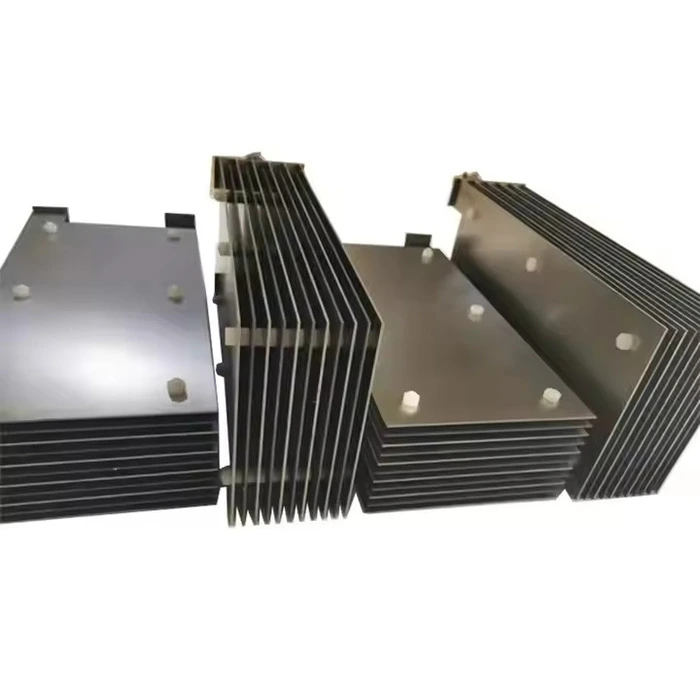
Phenol wastewater is one of the most difficult industrial waste streams to treat because of its high toxicity, poor biodegradability, and strong environmental impact. A Titanium Anode for Electrochemical Treatment of Phenol Wastewater is an advanced electrochemical solution designed to efficiently degrade phenolic compounds through oxidation reactions. This type of Ru+Ir coated titanium electrode combines a high-purity titanium substrate with ruthenium oxide and iridium oxide coatings to achieve stable electrochemical activity, superior corrosion resistance, and long operational life.
During electrochemical treatment, the titanium anode generates strong oxidizing species on the electrode surface, helping convert phenol molecules into smaller and less harmful compounds. Compared with conventional chemical or biological treatment methods, electrochemical oxidation offers higher degradation efficiency, reduced sludge generation, lower chemical consumption, and easier automation.
The right titanium anode depends on wastewater concentration, conductivity, pH value, reactor design, current density, and required service life. Mesh, plate, tubular, and rod structures can adapt to different industrial systems.
HY Ti-Ni Import & Export manufactures high-performance Ru+Ir coated titanium electrodes for phenol wastewater treatment applications. Our products provide stable current distribution, excellent catalytic efficiency, low operating cost, and reliable long-term performance for industrial wastewater treatment projects.
 |
 |
 |
 |
Features of Titanium Anode for Electrochemical Treatment of Phenol Wastewater
Superior Corrosion Resistance、Ultra-Long Service Life、High Electrocatalytic Activity & Efficiency、Eco-Friendly、Low Maintenance





Full Customization Solutions to Meet Your Specific Needs!
Customization Available (Size, Material, Coating, Shape, Lifespan & Installation)

Titanium Anode for Electrochemical Treatment of Phenol Wastewater can be fully customized according to industrial requirements:
HY Ti-Ni Import & Export provides customized Ru+Ir coated titanium electrodes for electrochemical phenol wastewater treatment systems.
- Customized Size — Diameter, thickness, width, and length available.
- Customized Titanium Grade — Titanium Gr1 and Gr2 substrate options.
- Customized Coating Formula — RuO₂–IrO₂ coating ratio adjustment.
- Customized Shape — Mesh, plate, tubular, rod, ribbon, or special structures.
- Customized Current Density — Based on treatment efficiency needs.
- Customized Coating Thickness — Improve catalytic activity and durability.
- Customized Lifespan — 3–15 years depending on operating conditions.
- Customized Connection Type — Welded terminal, cable, flange, bolt connection.
- Customized Surface Design — Expanded mesh or precision opening pattern.
- OEM & ODM Support — Drawing-based manufacturing accepted.
Why Choose Titanium Anode from HY Ti-Ni Import & Export?
At Hengyi Ti-Ni Import Export, we specialize in titanium-based electrochemical materials with strong engineering capability in anode system design.

HY Ti-Ni Import & Export specializes in durable Ru+Ir coated titanium electrodes for industrial electrochemical applications.
- Professional titanium anode supplier from Baoji, China.
- High-purity titanium substrate for reliable conductivity.
- Advanced MMO coating technology for stable catalytic activity.
- Excellent corrosion resistance in acidic wastewater environments.
- Long service life and reduced replacement frequency.
- Flexible OEM and ODM manufacturing services.
- Strict coating inspection and adhesion testing.
- Stable quality control through the full production process.
- Fast delivery for global industrial customers.
- Responsive technical support for wastewater treatment projects.
Titanium Anode Purchase Guide: A Comprehensive Guide
Choosing the correct Titanium Anode for Electrochemical Treatment of Phenol Wastewater directly influences degradation efficiency, power consumption, and system reliability. Buyers should first analyze wastewater composition. Phenol concentration, conductivity, pH level, COD value, and treatment volume all affect electrode performance.
Second, determine the suitable electrode structure. Mesh anodes work well for large electrochemical reactors. Plate anodes suit compact systems. Tubular anodes are ideal for flow-through reactors, while rod anodes fit precision treatment equipment.
Coating quality is another important factor. A high-performance Ru+Ir coated titanium electrode offers excellent catalytic oxidation performance, strong corrosion resistance, and stable current efficiency. Coating loading and thickness should match working voltage and wastewater characteristics.
Service life and maintenance cost should also be considered. High-quality MMO titanium anodes reduce downtime and improve treatment stability.
HY Ti-Ni Import & Export offers customized engineering solutions, technical consultation, and OEM manufacturing to help customers select the right titanium anode for phenol wastewater treatment systems.
Purchase Guide
1. What is a Titanium Anode for Electrochemical Treatment of Phenol Wastewater? |
Products Introduction

What Is Titanium Anode for Electrochemical Treatment of Phenol Wastewater?
A Titanium Anode for Electrochemical Treatment of Phenol Wastewater is an insoluble electrochemical electrode used to remove phenol contaminants from industrial wastewater. The electrode uses a titanium substrate coated with ruthenium oxide and iridium oxide to generate oxidation reactions during electrolysis. These reactions break down toxic phenol molecules into safer compounds and improve wastewater quality. Compared with traditional treatment methods, a Ru+Ir coated titanium electrode provides higher oxidation efficiency, lower chemical use, stable operation, and longer service life. It is widely used in petrochemical, pharmaceutical, chemical manufacturing, resin, and dye industries.
Main Technical Parameters
| Parameter | Typical Range |
|---|---|
| Base Material | Titanium Gr1 / Gr2 |
| Coating Type | RuO₂–IrO₂ / Mixed Metal Oxide |
| Current Density | 100 – 3000 A/m² |
| Operating Voltage | 1.0 – 12.0 V |
| Working Temperature | 0°C – 80°C |
| Wastewater Type | Phenol / Organic / Chemical |
| Coating Loading | 6 – 15 g/m² |
| Design Life | 3 – 15 Years |
| Installation Type | Reactor / Tank / Pipeline |
Specifications
| Type | Structure | Application |
| Mesh Anode | Expanded mesh design | Large wastewater reactors |
| Plate Anode | Flat plate structure | Compact treatment systems |
| Tubular Anode | Cylindrical structure | Pipeline wastewater treatment |
| Rod Anode | Linear rod structure | Precision electrochemical units |
| Custom System | OEM engineered design | Industrial wastewater projects |
Cerrent output of Standard
| Type | Current Output (A/m²) | Application Condition |
| Standard System | 100 – 500 | Low phenol concentration |
| Medium Output | 500 – 1000 | General industrial wastewater |
| High Output | 1000 – 2000 | High phenol concentration |
| Industrial System | 1500 – 3000 | Chemical wastewater treatment |
| Customized System | Up to 3000+ | High-load oxidation systems |
Applications of MMO Titanium Anode
Be used in a wide range of industries.

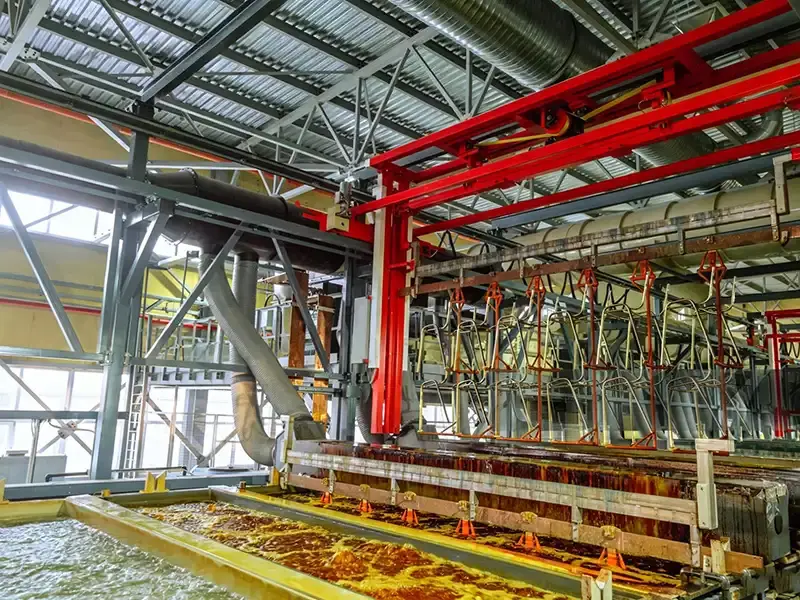
Water Treatment Industry
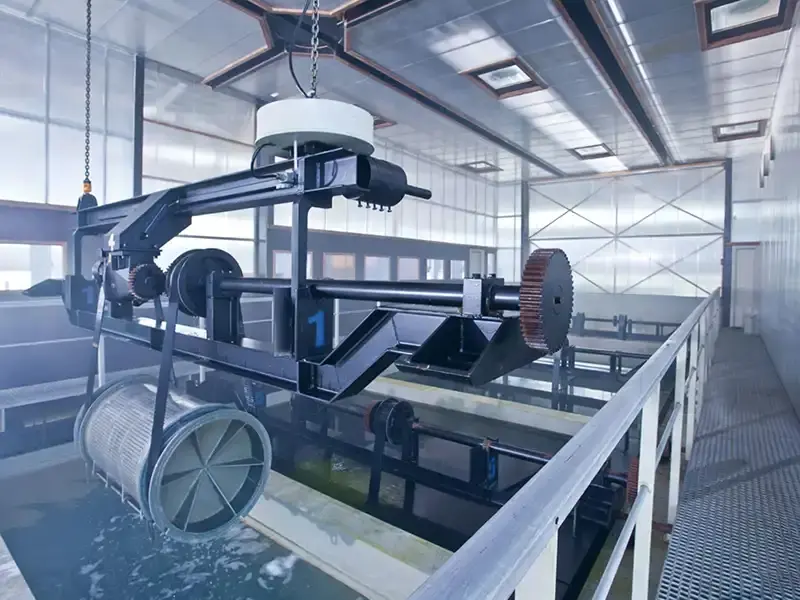
Electroplating Industry
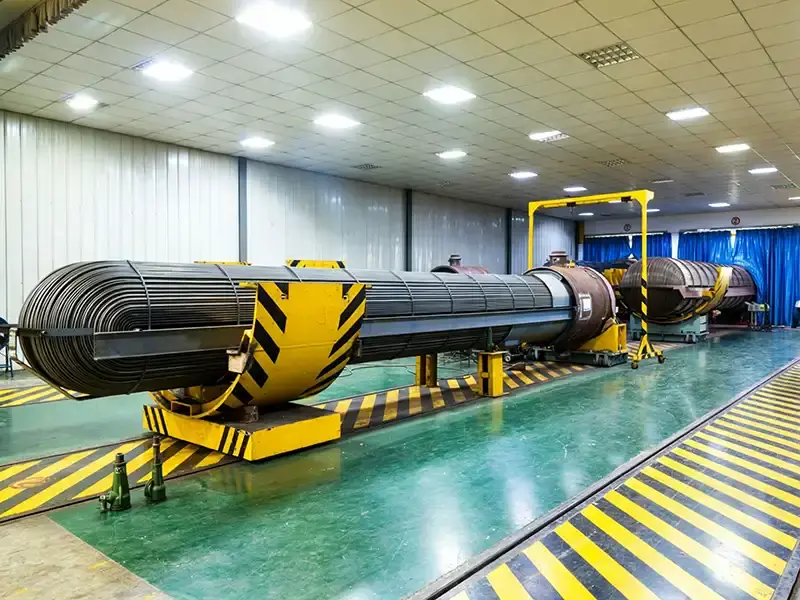
Chlor-Alkali Industry

Marine Engineering
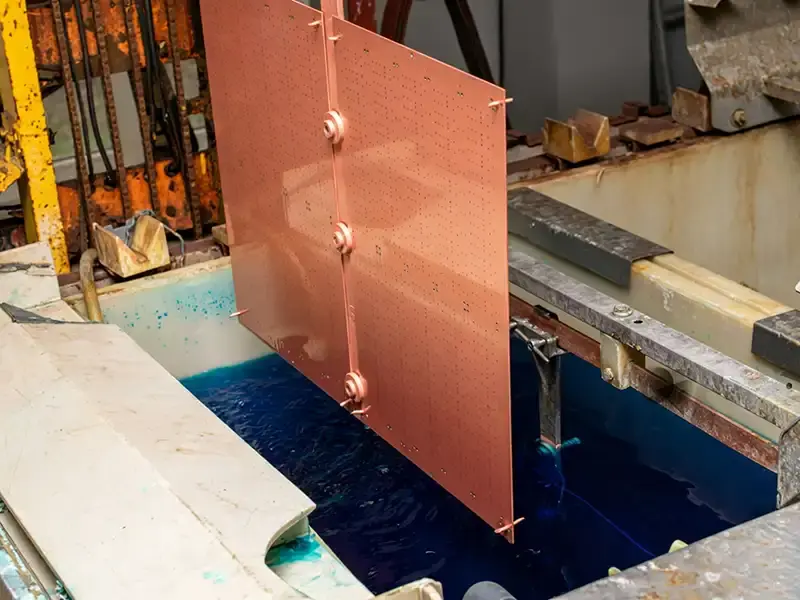
Hydrogen Energy Industry
Mining and Metal Recovery
How to Purchase the Suitable Titanium Anode
- Confirm Phenol Concentration — Understand wastewater pollutant level.
- Check Wastewater Conductivity — Important for electrochemical efficiency.
- Select Proper Anode Shape — Mesh, plate, tubular, or rod design.
- Choose Suitable Coating — Ru+Ir coating for stable oxidation performance.
- Determine Current Density — Match treatment capacity requirements.
- Evaluate Service Life — Reduce maintenance and replacement costs.
- Confirm Installation Method — Reactor, tank, or pipeline compatibility.
- Request OEM Customization — Custom drawings and technical support available.
- Verify Quality Standards — Stable coating adhesion and durability matter.
- Choose Experienced Supplier — Reliable manufacturing improves project success.
FAQ
Q1: What is the main function of a Ru+Ir coated titanium electrode?
It removes phenol pollutants through electrochemical oxidation.
Q2: Which industries commonly use this titanium anode?
Petrochemical, pharmaceutical, chemical, resin, and dye industries.
Q3: What structures are available?
Mesh, plate, tubular, rod, ribbon, and customized systems.
Q4: How long is the service life?
Usually 3–15 years depending on working conditions.
Q5: Can HY Ti-Ni Import & Export provide OEM service?
Yes. OEM and ODM customization are available.
Q6: Why use RuO₂–IrO₂ coating?
It offers stable catalytic activity and strong corrosion resistance.
Q7: Can this anode handle high phenol concentration wastewater?
Yes. Customized high-output systems are available.
Our Factory
Production site
State-of-the-art manufacturing for titanium anodes, precision coating and quality control.

Choseing titanium substrate
|

Substrate Cutting
|

Sandblasting
|

Pickling
|

Laser Cutting Configure Precious
Metal
|

Coating
|

Sintering
|

Packaging
|
Workshop
Precision machining and coating workshop for titanium anodes.

Titanium anode coating workshop
|

Thermal decomposition sintering furnace workshop
|

Titanium mesh anode production area
|

Pickling/surface treatment process
|

Pickling/surface treatment process
|

Quality inspection workshop
|

Worker operation photos
|

Panoramic view of a clean production line
|
Quality inspection
Rigorous testing for coating adhesion, electrochemical performance, and durability.

Dimension Inspection
|

Coating Thickness Testing
|

Coating Adhesion Testing
|

Microstructure Analysis
|

Conductivity Testing
|

Corrosion Resistance Testing
|

Bond Strength Testing
|

Final Inspection & Packaging
|
Packaging
Professional packaging to prevent damage and corrosion during transportation.
 |
 |
 |
 |
 |
 |
 |
 |
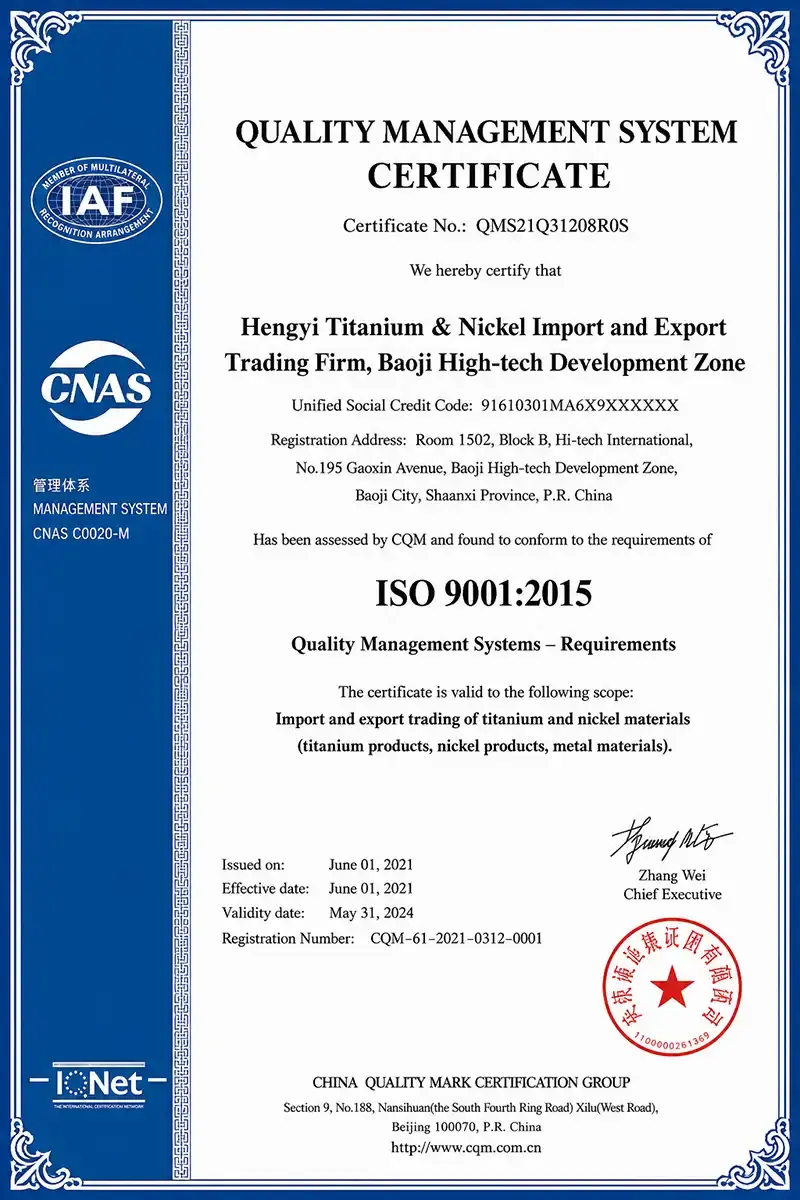
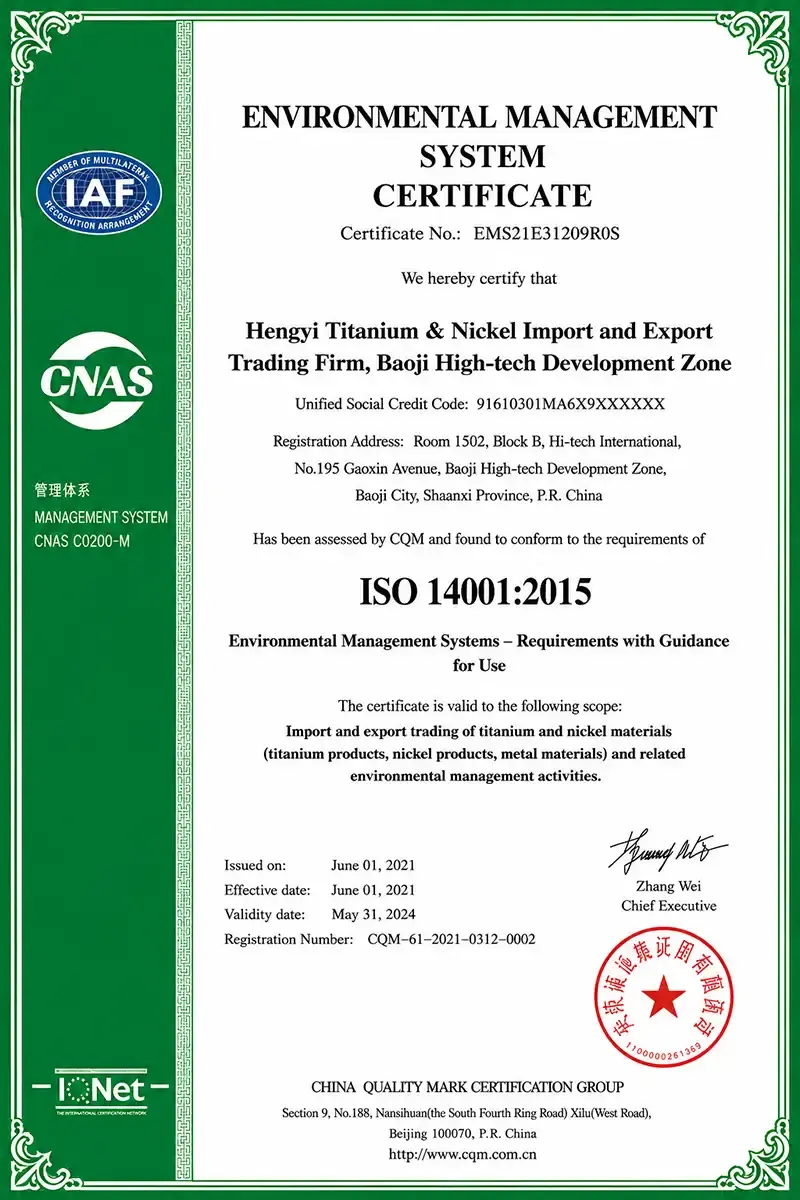
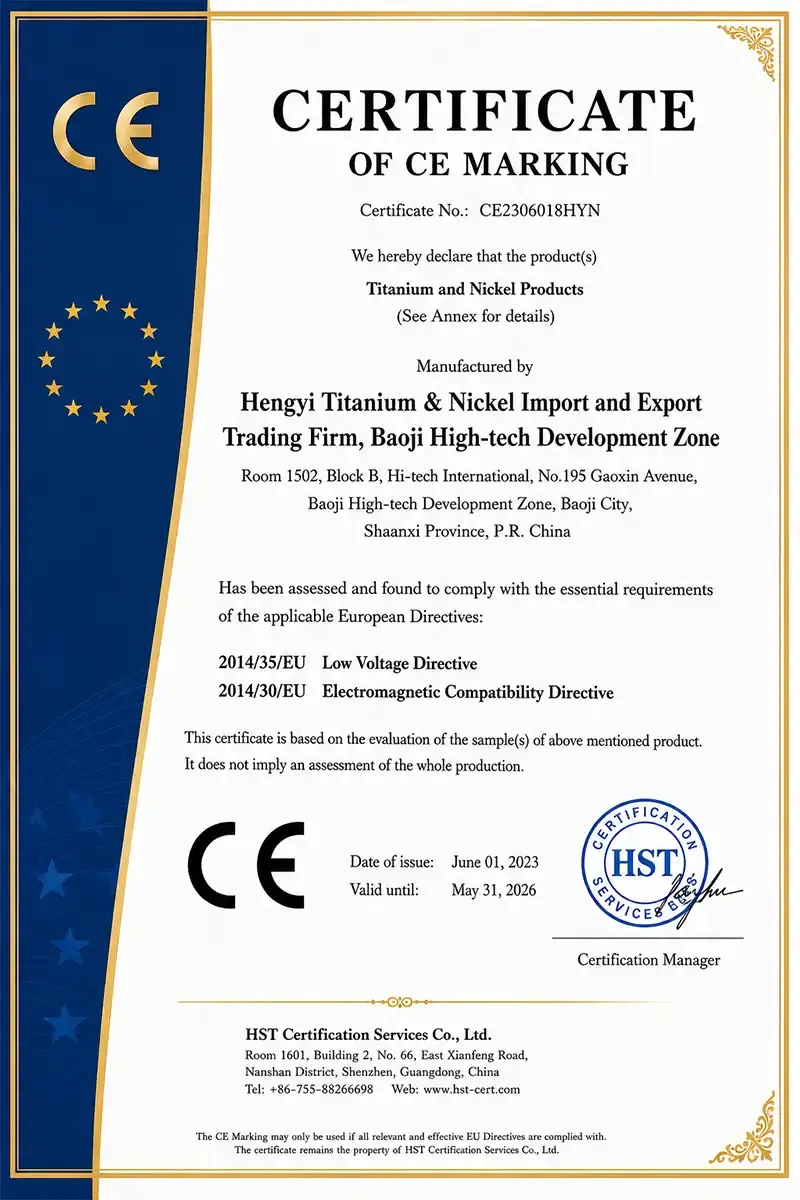
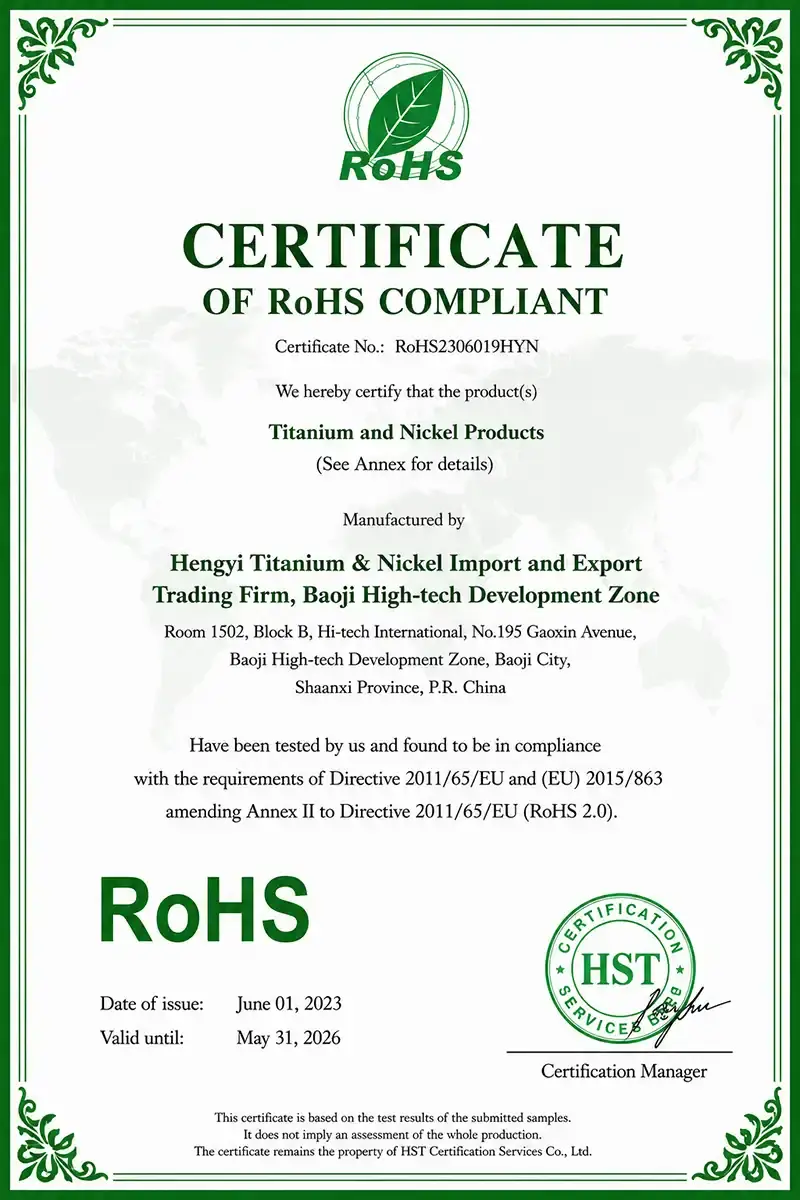
Certifications
International certifications ensuring quality and environmental compliance.
_1781504214411.jpg)
Learn about our latest products and discounts through SMS or email