- English
- French
- German
- Portuguese
- Spanish
- Russian
- Japanese
- Korean
- Arabic
- Greek
- German
- Turkish
- Italian
- Danish
- Romanian
- Indonesian
- Czech
- Afrikaans
- Swedish
- Polish
- Basque
- Catalan
- Esperanto
- Hindi
- Lao
- Albanian
- Amharic
- Armenian
- Azerbaijani
- Belarusian
- Bengali
- Bosnian
- Bulgarian
- Cebuano
- Chichewa
- Corsican
- Croatian
- Dutch
- Estonian
- Filipino
- Finnish
- Frisian
- Galician
- Georgian
- Gujarati
- Haitian
- Hausa
- Hawaiian
- Hebrew
- Hmong
- Hungarian
- Icelandic
- Igbo
- Javanese
- Kannada
- Kazakh
- Khmer
- Kurdish
- Kyrgyz
- Latin
- Latvian
- Lithuanian
- Luxembou..
- Macedonian
- Malagasy
- Malay
- Malayalam
- Maltese
- Maori
- Marathi
- Mongolian
- Burmese
- Nepali
- Norwegian
- Pashto
- Persian
- Punjabi
- Serbian
- Sesotho
- Sinhala
- Slovak
- Slovenian
- Somali
- Samoan
- Scots Gaelic
- Shona
- Sindhi
- Sundanese
- Swahili
- Tajik
- Tamil
- Telugu
- Thai
- Ukrainian
- Urdu
- Uzbek
- Vietnamese
- Welsh
- Xhosa
- Yiddish
- Yoruba
- Zulu
Titanium Grades, Corrosion and Fabrication Guide
Titanium Grades, Corrosion and Fabrication Requirements
Material selection starts with the application, product form and acceptance requirements. Commercially pure titanium and titanium alloys should not be treated as one interchangeable material. Review grade, processing condition, geometry and the actual operating environment before procurement.
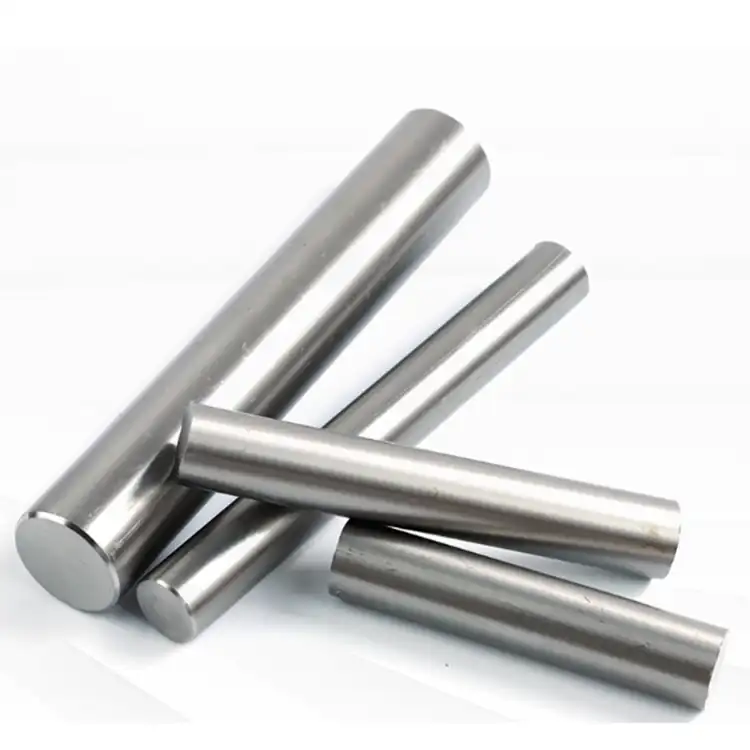
Grade Identity
Commercially pure Grade 1 and Grade 2 are unalloyed titanium designations. Grade 5 is Ti-6Al-4V, while Grade 9 is Ti-3Al-2.5V. Ti-6Al-4V ELI is a separately specified material requirement. A generic titanium grade list is not a substitution approval.
Grade 9 Ti-3Al-2.5V
Grade 9 is identified as UNS R56320. For rod and bar procurement, provide the required product condition, dimensions, straightness, surface criteria and inspection records. Do not use typical alloy reference properties as batch acceptance limits. See Grade 9 titanium rod materials.
Corrosion Selection Depends on Service Conditions
Titanium is considered for chemical equipment and seawater service because corrosion resistance can be valuable in those applications. It is not a universal solution for every acid, alkali, concentration or temperature. Give the service medium, concentration, temperature, impurities, cleaning conditions and relevant design requirements when requesting a material review.
Reference corrosion information is useful for initial selection. Actual service conditions may differ, so the component designer should define the evaluation and acceptance basis for the project.
Forming, Straightness and Surface Requirements
Grade and condition affect the fabrication plan. Grade 1 is a formable commercially pure option, but a universal bend radius should not be promised for every thickness and geometry. Provide bend details, direction, thickness, tooling constraints and surface acceptance requirements in the drawing.
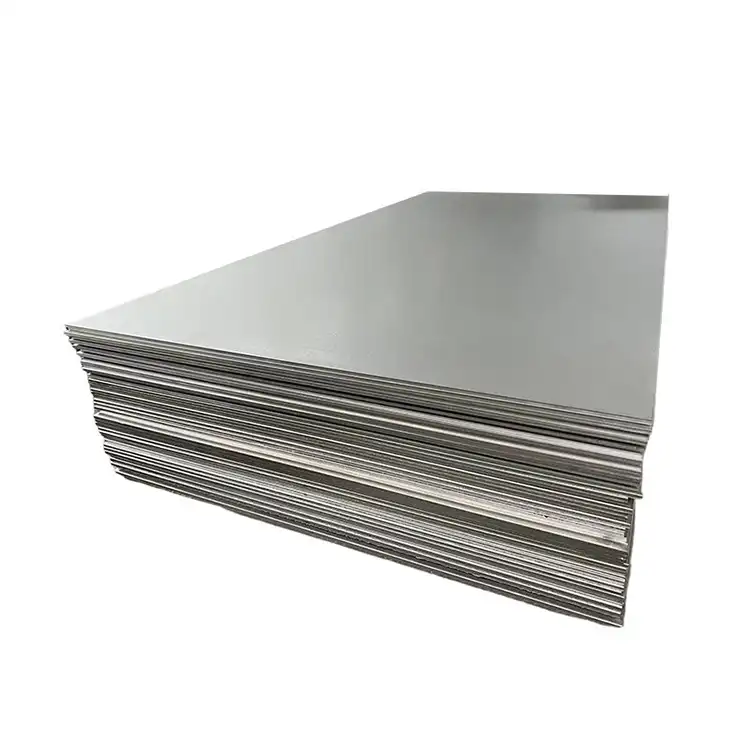
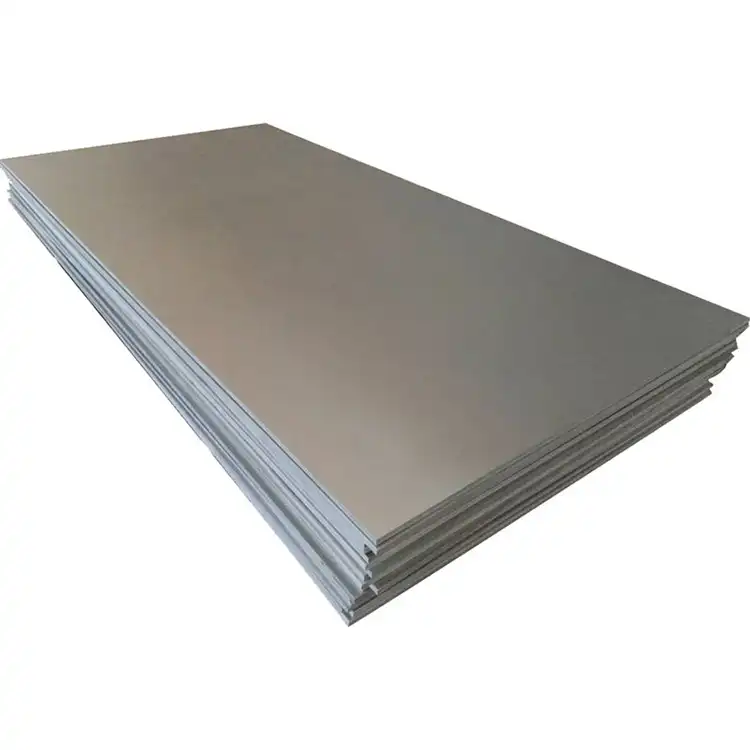
For small-diameter straight lengths, state diameter limits and the length over which straightness is assessed. For plate, state thickness, flatness, cut dimensions and edge condition. Confirm handling and packaging requirements so the agreed finish and dimensional condition can be protected.
Galling and Surface Treatment
Titanium's tendency toward galling is a design and processing consideration. Material identity alone does not establish wear resistance or prevent thread damage. Define the actual contact conditions, surface treatment and relevant assembly procedure for the component. This material guide is not a wheel-fastener approval or a universal lubrication instruction.
Product Forms for Titanium Applications
| Form | Information to supply |
|---|---|
| Plate and sheet | Grade, thickness, width, length, flatness, finish and cutting allowance |
| Rod and bar | Alloy, diameter, length, condition, straightness and machining allowance |
| Wire and straight lengths | Grade, diameter, product condition, delivery form and surface criteria |
| Special medical or welding material | Required specification, classification where applicable and batch documents |
Read our titanium applications guide for industrial examples, and our material standards and ordering guide for product-form distinctions.
Prepare a Drawing-Based Inquiry
Send the grade, product form, drawing, dimensions, condition, finish, quantity and documents. Add operating conditions for corrosion-related inquiries. Confirm feasible supply and acceptance requirements before ordering. Contact HYTi for a material supply review or email jolina@bjhyti.com.
_1781600344073.jpg)
_1781674560181.jpg)
Learn about our latest products and discounts through SMS or email