- English
- French
- German
- Portuguese
- Spanish
- Russian
- Japanese
- Korean
- Arabic
- Greek
- German
- Turkish
- Italian
- Danish
- Romanian
- Indonesian
- Czech
- Afrikaans
- Swedish
- Polish
- Basque
- Catalan
- Esperanto
- Hindi
- Lao
- Albanian
- Amharic
- Armenian
- Azerbaijani
- Belarusian
- Bengali
- Bosnian
- Bulgarian
- Cebuano
- Chichewa
- Corsican
- Croatian
- Dutch
- Estonian
- Filipino
- Finnish
- Frisian
- Galician
- Georgian
- Gujarati
- Haitian
- Hausa
- Hawaiian
- Hebrew
- Hmong
- Hungarian
- Icelandic
- Igbo
- Javanese
- Kannada
- Kazakh
- Khmer
- Kurdish
- Kyrgyz
- Latin
- Latvian
- Lithuanian
- Luxembou..
- Macedonian
- Malagasy
- Malay
- Malayalam
- Maltese
- Maori
- Marathi
- Mongolian
- Burmese
- Nepali
- Norwegian
- Pashto
- Persian
- Punjabi
- Serbian
- Sesotho
- Sinhala
- Slovak
- Slovenian
- Somali
- Samoan
- Scots Gaelic
- Shona
- Sindhi
- Sundanese
- Swahili
- Tajik
- Tamil
- Telugu
- Thai
- Ukrainian
- Urdu
- Uzbek
- Vietnamese
- Welsh
- Xhosa
- Yiddish
- Yoruba
- Zulu
Is Titanium Bulletproof?
Is Titanium Bulletproof?
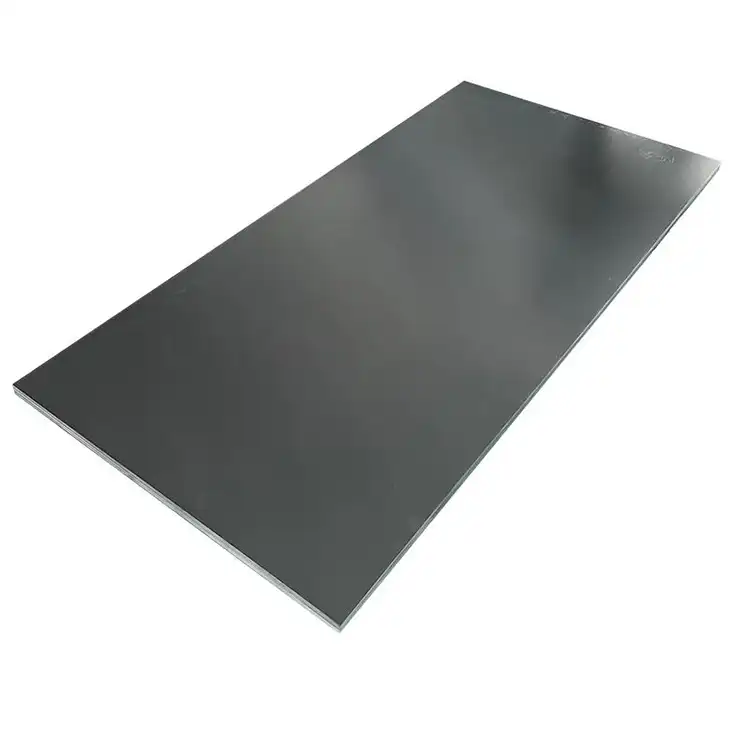
Titanium is not bulletproof in the thin sheet forms commonly used for industrial and medical products. Titanium is valued for its high strength-to-weight ratio, corrosion resistance and biocompatibility, but stopping bullets requires specific hardness, thickness and energy-absorption design. A titanium plate can resist some projectiles when thick enough, yet it is usually not the preferred standalone armour material.
Is titanium bulletproof to 9mm?
A 9mm round can be stopped by a sufficiently thick titanium plate, but a thin titanium sheet (for example 1-3 mm) will not reliably stop a 9mm bullet. Defeating a 9mm threat generally requires several millimetres of hard armour material with a backing layer to absorb energy, or a composite armour system.
How does titanium compare with steel and ceramic armour?
Steel armour is heavy but tough and affordable. Ceramic armour is lighter for a given protection level but can be brittle on repeated impacts. Titanium offers a high strength-to-weight ratio and good corrosion resistance, and can be used in some armour and protective applications, but its higher cost and lower hardness than dedicated armour ceramics limit standalone use.
Where is titanium actually used?
Titanium plates and sheets are widely used where strength, low weight and corrosion resistance matter: aerospace structures, chemical processing equipment, marine components, medical implants, and industrial electrodes. For these applications, titanium plate and titanium sheet suppliers focus on grade, thickness, flatness and certification rather than ballistic performance.
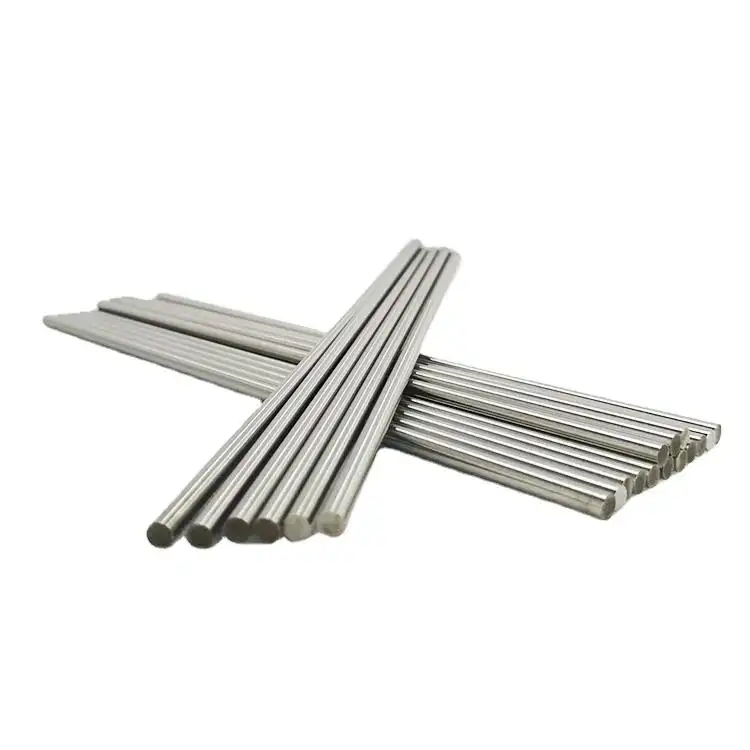
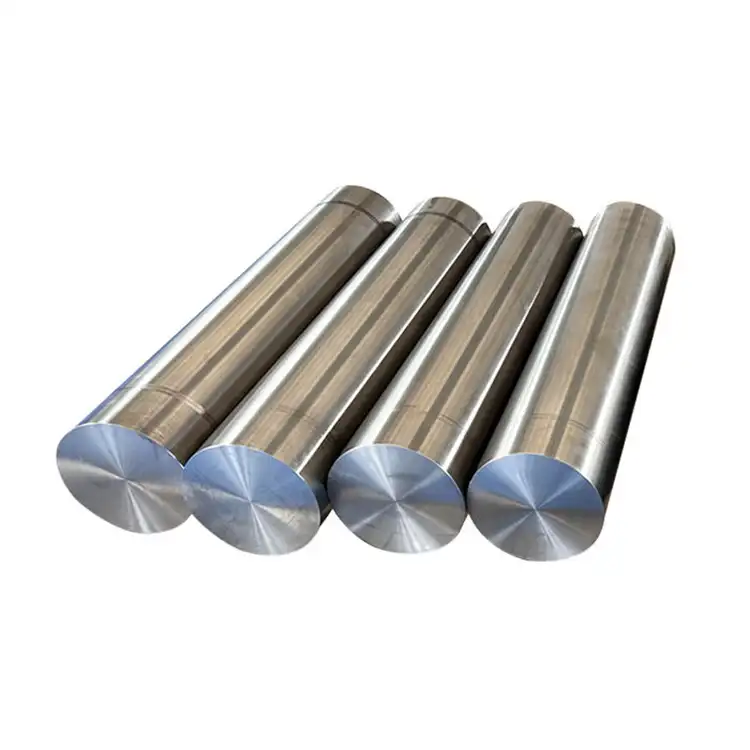
HYTi supplies titanium plate and titanium sheet in Grade 1, Grade 2, Grade 5 and other grades to ASTM standards. See our titanium products or contact our team for specifications.
Frequently Asked Questions
Can a titanium plate stop a bullet?
A thick titanium plate can stop some bullets, but thin titanium sheets cannot. Effective bullet resistance requires adequate thickness, hardness and an energy-absorbing backing.
Is titanium better than steel for armour?
Titanium is lighter for the same strength, but steel armour is generally tougher and cheaper. The best choice depends on the protection level and weight budget.
What titanium grades are used for plate and sheet?
Grade 1 and Grade 2 commercially pure titanium, and Grade 5 (Ti-6Al-4V) alloy, are the most common plate and sheet grades.
_1781487633464.jpg)
Learn about our latest products and discounts through SMS or email