- English
- French
- German
- Portuguese
- Spanish
- Russian
- Japanese
- Korean
- Arabic
- Greek
- German
- Turkish
- Italian
- Danish
- Romanian
- Indonesian
- Czech
- Afrikaans
- Swedish
- Polish
- Basque
- Catalan
- Esperanto
- Hindi
- Lao
- Albanian
- Amharic
- Armenian
- Azerbaijani
- Belarusian
- Bengali
- Bosnian
- Bulgarian
- Cebuano
- Chichewa
- Corsican
- Croatian
- Dutch
- Estonian
- Filipino
- Finnish
- Frisian
- Galician
- Georgian
- Gujarati
- Haitian
- Hausa
- Hawaiian
- Hebrew
- Hmong
- Hungarian
- Icelandic
- Igbo
- Javanese
- Kannada
- Kazakh
- Khmer
- Kurdish
- Kyrgyz
- Latin
- Latvian
- Lithuanian
- Luxembou..
- Macedonian
- Malagasy
- Malay
- Malayalam
- Maltese
- Maori
- Marathi
- Mongolian
- Burmese
- Nepali
- Norwegian
- Pashto
- Persian
- Punjabi
- Serbian
- Sesotho
- Sinhala
- Slovak
- Slovenian
- Somali
- Samoan
- Scots Gaelic
- Shona
- Sindhi
- Sundanese
- Swahili
- Tajik
- Tamil
- Telugu
- Thai
- Ukrainian
- Urdu
- Uzbek
- Vietnamese
- Welsh
- Xhosa
- Yiddish
- Yoruba
- Zulu
Tubular anode for cathodic protection
Coating: 19–36 μm
Current: 55–115 A/m²
Temp: -15~55 ℃
Voltage: 2.0–2.9 V
Service life: 25+ years
pH: 4.0–12.0
Loss: ≤2.9 mg/A·a
What Is Tubular anode for cathodic protection and How to Choose the Right One for Your Industry?
Tubular anodes for cathodic protection are cylindrical insoluble anodes designed to deliver stable and long-lasting current distribution in soil, seawater, and industrial environments. They are widely used in impressed current cathodic protection (ICCP) systems to prevent corrosion of buried pipelines, storage tanks, offshore structures, and reinforced concrete foundations. Compared with traditional anodes, tubular designs offer a higher surface area-to-volume ratio, which improves current efficiency and extends service life under harsh operating conditions.
Selecting the right tubular anode depends on environmental resistivity, required current output, coating system, and installation depth. In low-resistivity soil, standard output models are sufficient, while high-resistivity or offshore applications require high-performance MMO coatings such as Ru+Ir coated titanium electrode for stable electrochemical activity. Engineers must also consider design life, backfill compatibility, and structure geometry to ensure uniform protection and minimal maintenance cost.
HY Ti-Ni Import & Export provides engineered tubular anode solutions tailored for global cathodic protection systems, ensuring reliability, efficiency, and long-term corrosion control performance.
 |
 |
 |
 |
Features of Tubular anode for cathodic protection
Superior Corrosion Resistance、Ultra-Long Service Life、High Electrocatalytic Activity & Efficiency、Eco-Friendly、Low Maintenance





Full Customization Solutions to Meet Your Specific Needs!
Customization Available (Size, Material, Coating, Shape, Lifespan & Installation)
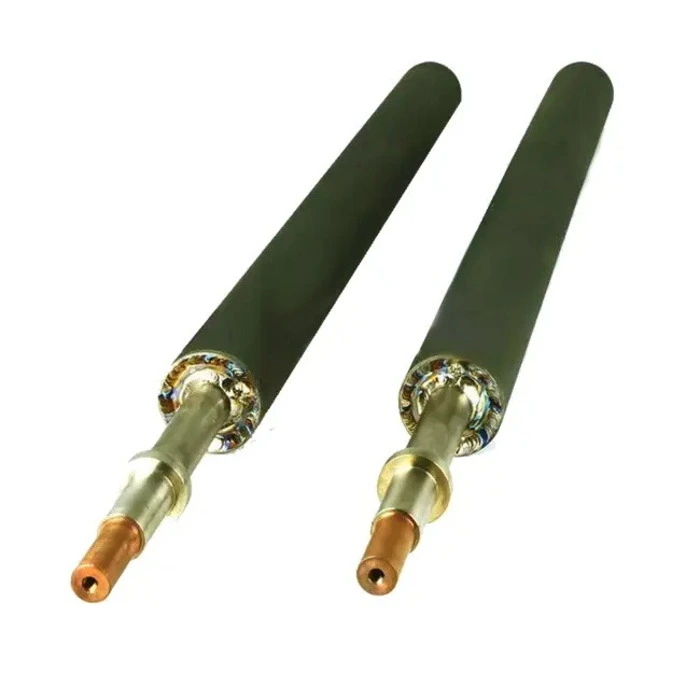
Tubular anode for cathodic protection can be fully customized according to industrial requirements:
HY Ti-Ni Import & Export offers fully customizable tubular anode systems to meet diverse industrial requirements. Customers can specify dimensions such as diameter, length, and wall thickness based on installation environment and current demand. Base materials include Gr1 and Gr2 titanium, ensuring strong corrosion resistance and mechanical stability.
Coating options include Ru+Ir coated titanium electrode systems, Ru+Ir-Ta mixed oxides, and other MMO formulations optimized for high efficiency and extended lifespan. Structural customization covers perforated tubes, reinforced heavy-duty designs, deep-well configurations, and integrated pre-packaged backfill systems.
We also provide tailored current output ranges, connection cables, junction boxes, and installation accessories. Lifespan can be designed from 10 to over 25 years depending on project requirements. OEM/ODM support allows adaptation for oil & gas pipelines, marine structures, and large-scale infrastructure projects, ensuring optimal cathodic protection performance in all environments.
Why Choose Titanium Anode from HY Ti-Ni Import & Export?
At Hengyi Ti-Ni Import Export, we specialize in titanium-based electrochemical materials with strong engineering capability in anode system design.

HY Ti-Ni Import & Export, located in Baoji High-tech Development Zone, China, is a professional manufacturer of advanced tubular anode systems for cathodic protection. With strong titanium processing capability and complete industrial supply chain, we deliver high-performance solutions for global clients.
Our products are engineered with precision coating technology, including Ru+Ir coated titanium electrode systems for superior electrochemical stability and long service life. Strict quality control ensures every anode meets international standards.
We provide flexible OEM/ODM services, fast delivery, and engineering support for complex corrosion protection projects. Our solutions are widely used in pipelines, offshore platforms, and underground infrastructure, ensuring reliable protection, reduced maintenance costs, and long-term operational safety.
Titanium Anode Purchase Guide: A Comprehensive Guide
Choosing the correct tubular anode requires careful evaluation of soil resistivity, design current, installation depth, and service environment. For low-resistivity soils, standard MMO tubular anodes are sufficient, while high-resistivity or marine environments require high-performance coatings such as Ru+Ir coated titanium electrode systems.
Engineers should first calculate total protection current demand based on structure size and corrosion risk level. Then select anode type, ensuring compatibility with backfill materials and installation method. Deep well systems are suitable for long-distance pipelines, while compact tubular designs are ideal for confined industrial zones.
Material selection is also critical. Titanium Grade 1 or Grade 2 is recommended for durability. Coating type determines efficiency and lifespan, with Ru+Ir based MMO coatings offering excellent stability. Designers must also consider operating voltage, expected design life, and maintenance conditions.
HY Ti-Ni Import & Export provides technical consultation to help customers match the right tubular anode system for each project, ensuring cost efficiency, stable performance, and long-term cathodic protection reliability.
Purchase Guide
1. What is a Tubular anode for cathodic protection? |
Products Introduction
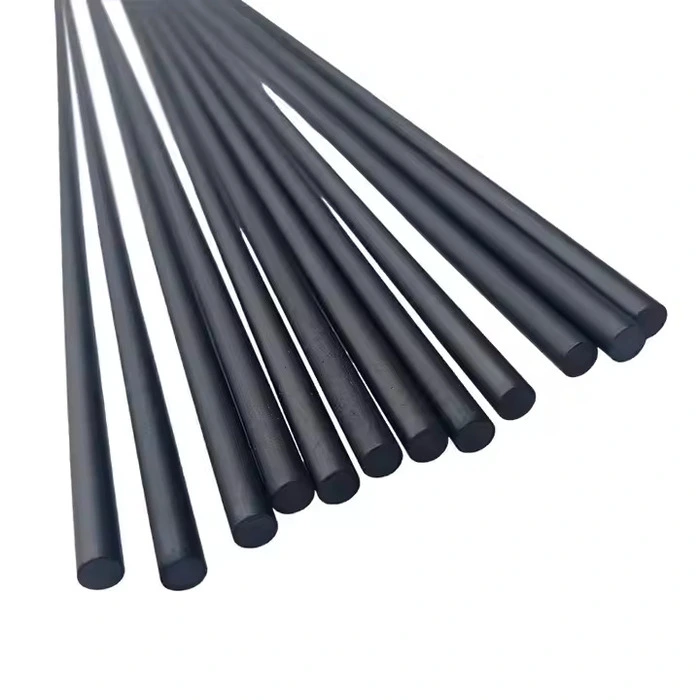
What Is Tubular anode for cathodic protection?
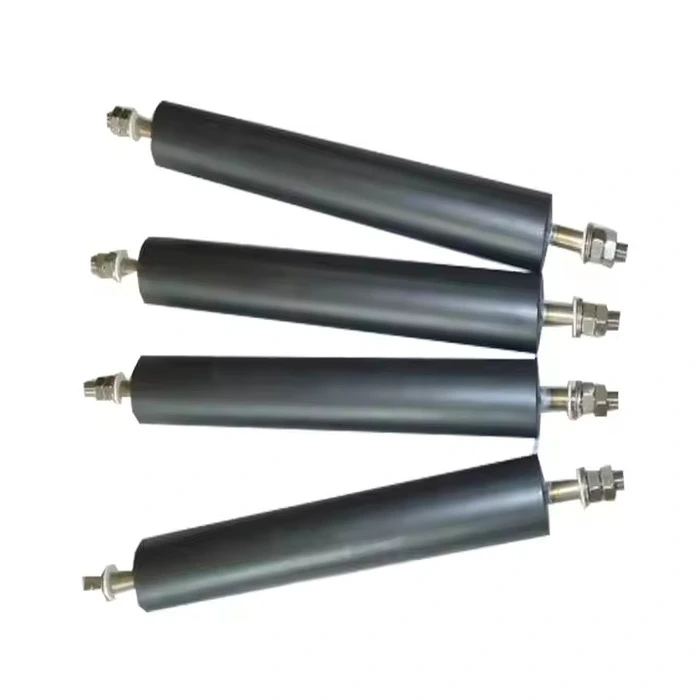
A tubular anode for cathodic protection is a cylindrical electrochemical device used in impressed current systems to prevent corrosion of buried or submerged metal structures. It is made from titanium substrate coated with mixed metal oxides, such as Ru+Ir coated titanium electrode, to ensure high conductivity and corrosion resistance. These anodes are installed in soil, seawater, or concrete environments and provide controlled current output to protect pipelines, tanks, and offshore platforms. Their tubular structure allows uniform current distribution, making them ideal for long-term corrosion control in both industrial and marine applications with high reliability and efficiency.
Main Technical Parameters
| Parameter | Typical Range |
|---|---|
| Base Material | Titanium Gr1 / Gr2 |
| Coating Type | RuO₂–IrO₂ / Mixed Metal Oxide |
| Current Density | 20 – 150 A/m² |
| Operating Voltage | 1.0 – 5.0 V |
| Installation Environment | Soil / Seawater / Concrete |
| Temperature Range | -10°C to 80°C |
| Design Life | 10 – 25 years |
| Installation Type | Deep well / Horizontal / Vertical |
Specifications
| Type | Structure | Application |
|---|---|---|
| Standard Tubular Anode | Cylindrical perforated tube | Soil corrosion protection |
| Deep Well System | Vertical long structure | Pipeline protection |
| Reinforced Tubular Anode | Heavy-duty design | Industrial zones |
| Pre-Packaged System | Integrated backfill unit | High-resistivity soil |
| Custom OEM System | Engineered design | Complex environments |
Cerrent output of Standard
| Type | Current Output (mA/m²) | Application Condition |
|---|---|---|
| Standard System | 10 – 30 | Low resistivity soil |
| Medium Output | 30 – 60 | Medium corrosion areas |
| High Output | 50 – 100 | High resistivity soil |
| Industrial System | 20 – 80 | Storage tanks & pipelines |
| Customized System | Up to 100+ | Heavy-duty protection |
Applications of MMO Titanium Anode
Be used in a wide range of industries.
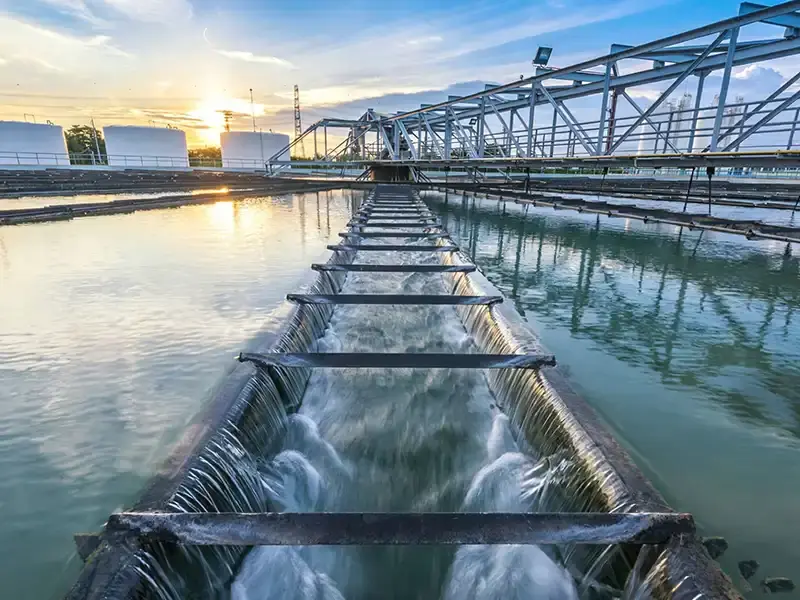
Water Treatment Industry
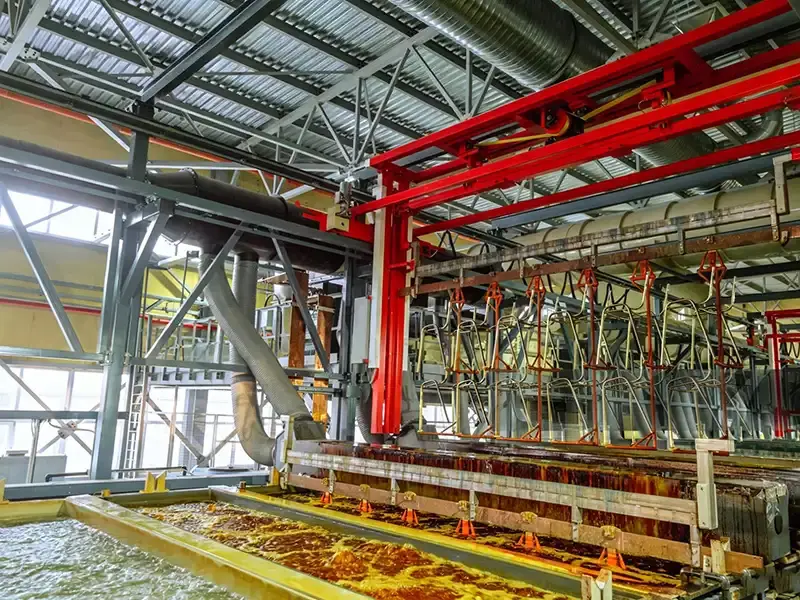
Electroplating Industry
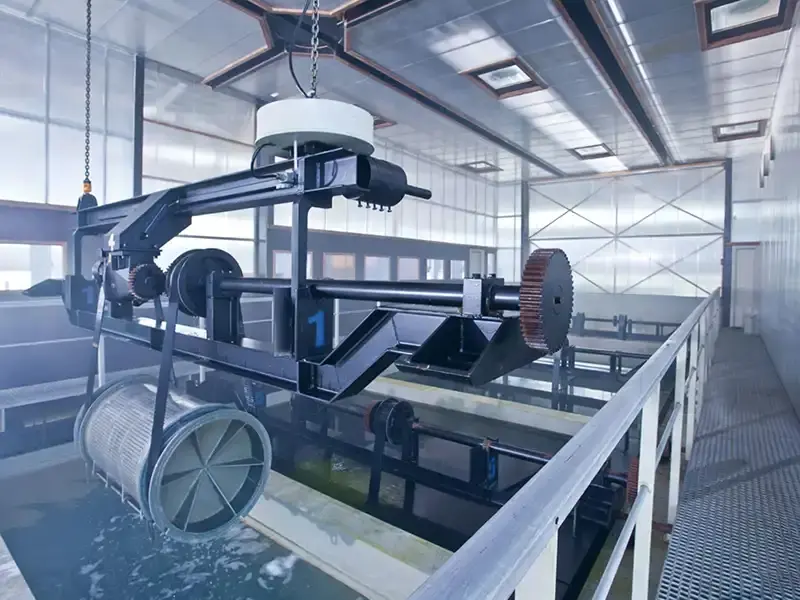
Chlor-Alkali Industry

Marine Engineering
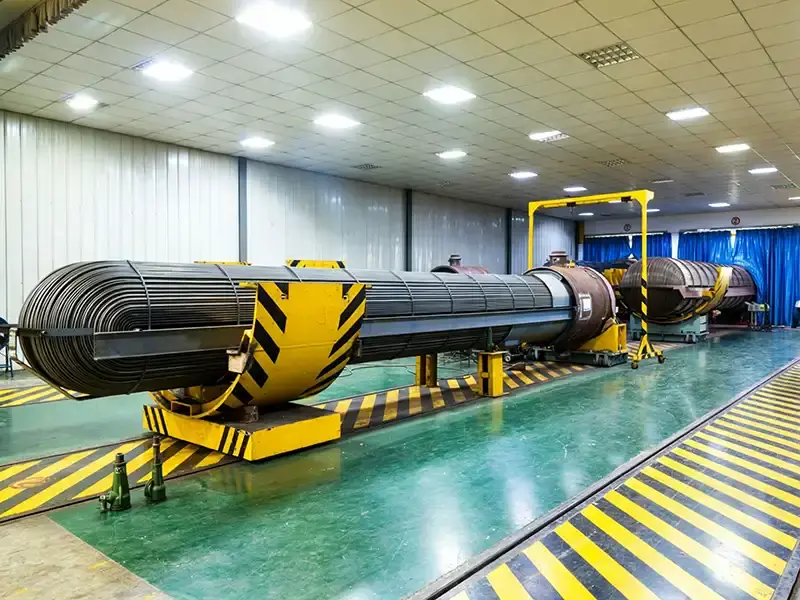
Hydrogen Energy Industry
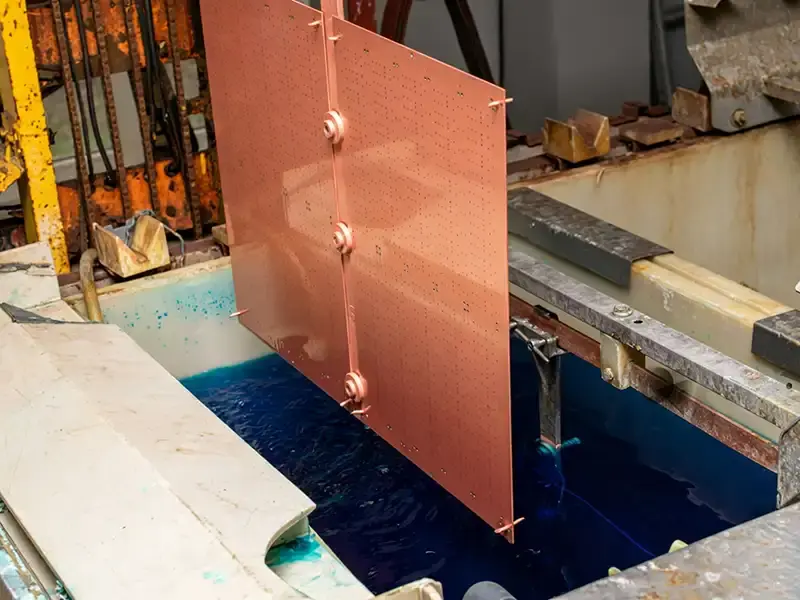
Mining and Metal Recovery
How to Purchase the Suitable Titanium Anode
Selecting the right tubular anode begins with analyzing environmental conditions such as soil resistivity, seawater salinity, and structural corrosion risk. Next, calculate total current demand based on surface area and protection level required. This ensures correct sizing and coating selection.
For standard soil conditions, basic MMO tubular anodes are sufficient. For aggressive environments, Ru+Ir coated titanium electrode systems are recommended due to their high catalytic efficiency and long service life. Installation method must also be considered, including deep well, horizontal trench, or surface-mounted configurations.
Customers should evaluate design life requirements, maintenance expectations, and installation depth before final selection. HY Ti-Ni Import & Export provides engineering support to help customers choose optimal configurations. OEM customization is available for complex projects, ensuring compatibility with pipelines, offshore structures, and industrial systems. Proper selection guarantees maximum corrosion protection efficiency and long-term cost savings.
FAQ
Q1: What is the lifespan of tubular anodes?
A: Typically 10–25 years depending on coating and environment.
Q2: Can they be used in seawater?
A: Yes, especially Ru+Ir coated titanium electrode systems.
Q3: Are custom sizes available?
A: Yes, full OEM customization is supported.
Q4: What environments are suitable?
A: Soil, seawater, and concrete structures.
Our Factory
Production site
State-of-the-art manufacturing for titanium anodes, precision coating and quality control.

Choseing titanium substrate
|

Substrate Cutting
|

Sandblasting
|

Pickling
|

Laser Cutting Configure Precious
Metal
|

Coating
|

Sintering
|

Packaging
|
Workshop
Precision machining and coating workshop for titanium anodes.

Titanium anode coating workshop
|

Thermal decomposition sintering furnace workshop
|

Titanium mesh anode production area
|

Pickling/surface treatment process
|

Pickling/surface treatment process
|

Quality inspection workshop
|

Worker operation photos
|

Panoramic view of a clean production line
|
Quality inspection
Rigorous testing for coating adhesion, electrochemical performance, and durability.

Dimension Inspection
|

Coating Thickness Testing
|

Coating Adhesion Testing
|

Microstructure Analysis
|

Conductivity Testing
|

Corrosion Resistance Testing
|

Bond Strength Testing
|

Final Inspection & Packaging
|
Packaging
Professional packaging to prevent damage and corrosion during transportation.
 |
 |
 |
 |
 |
 |
 |
 |
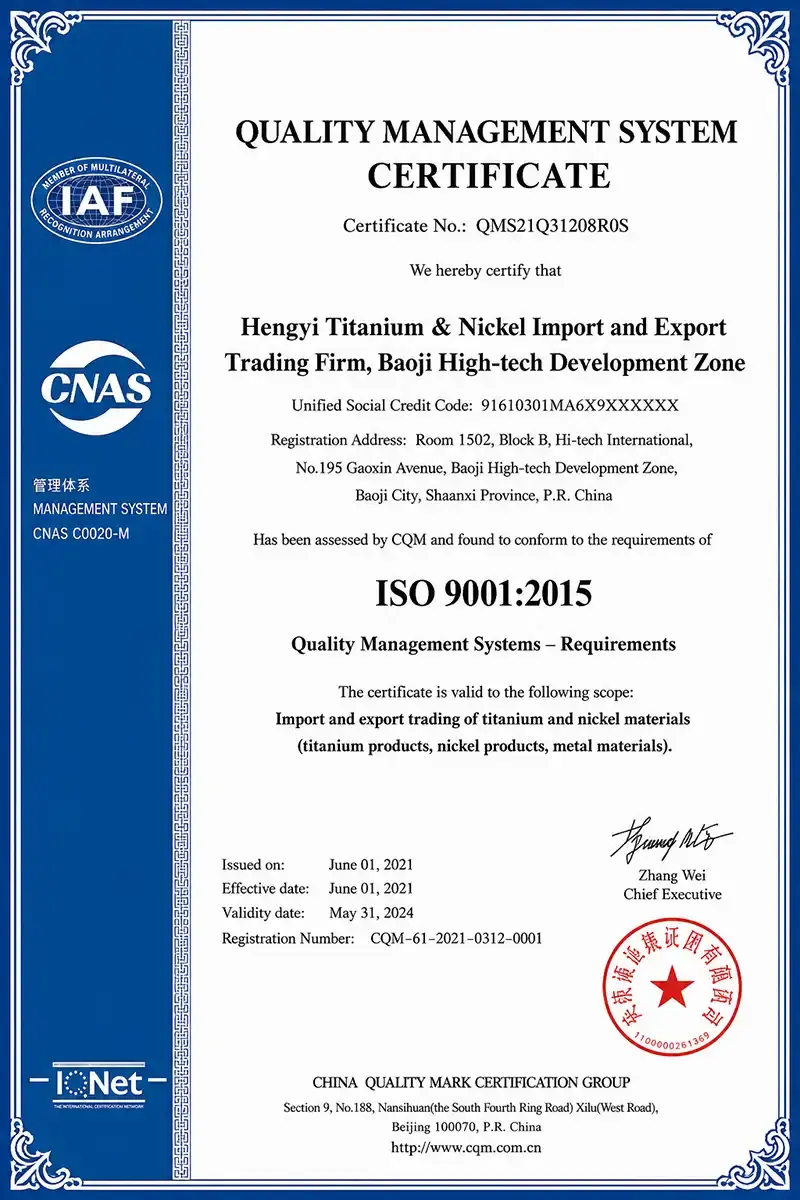
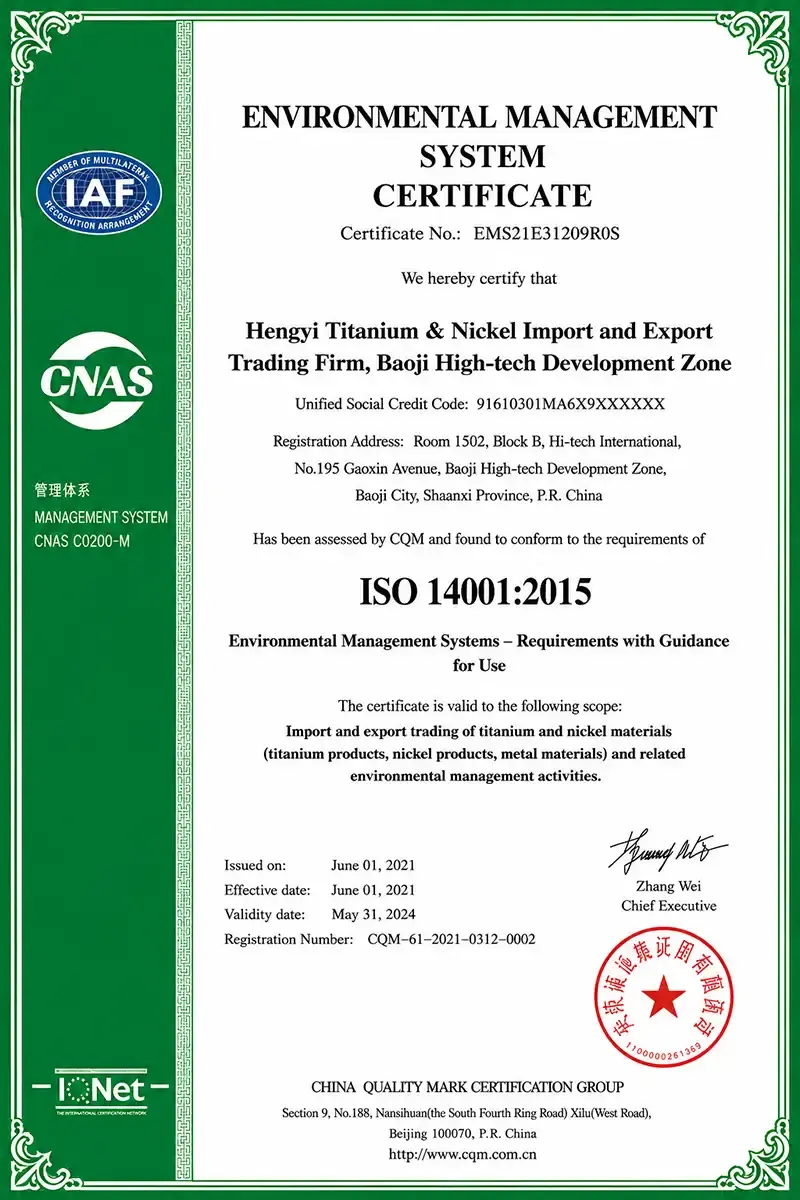
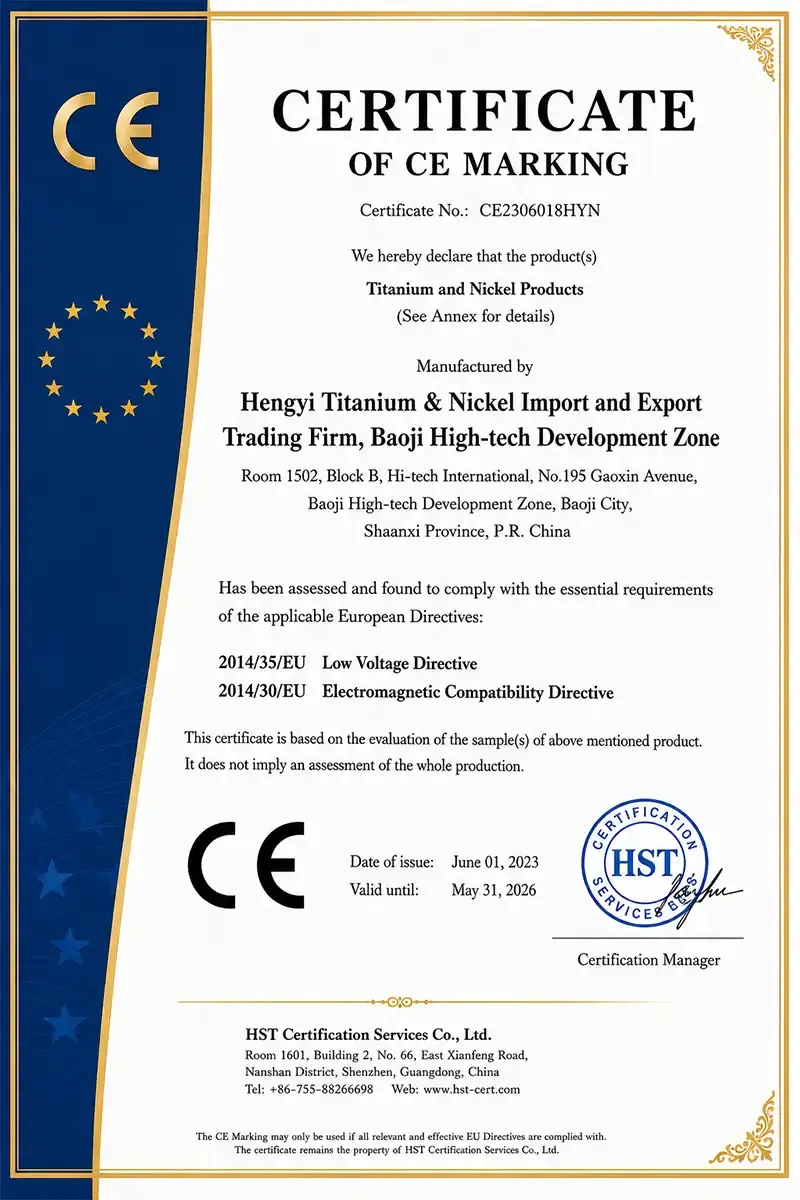
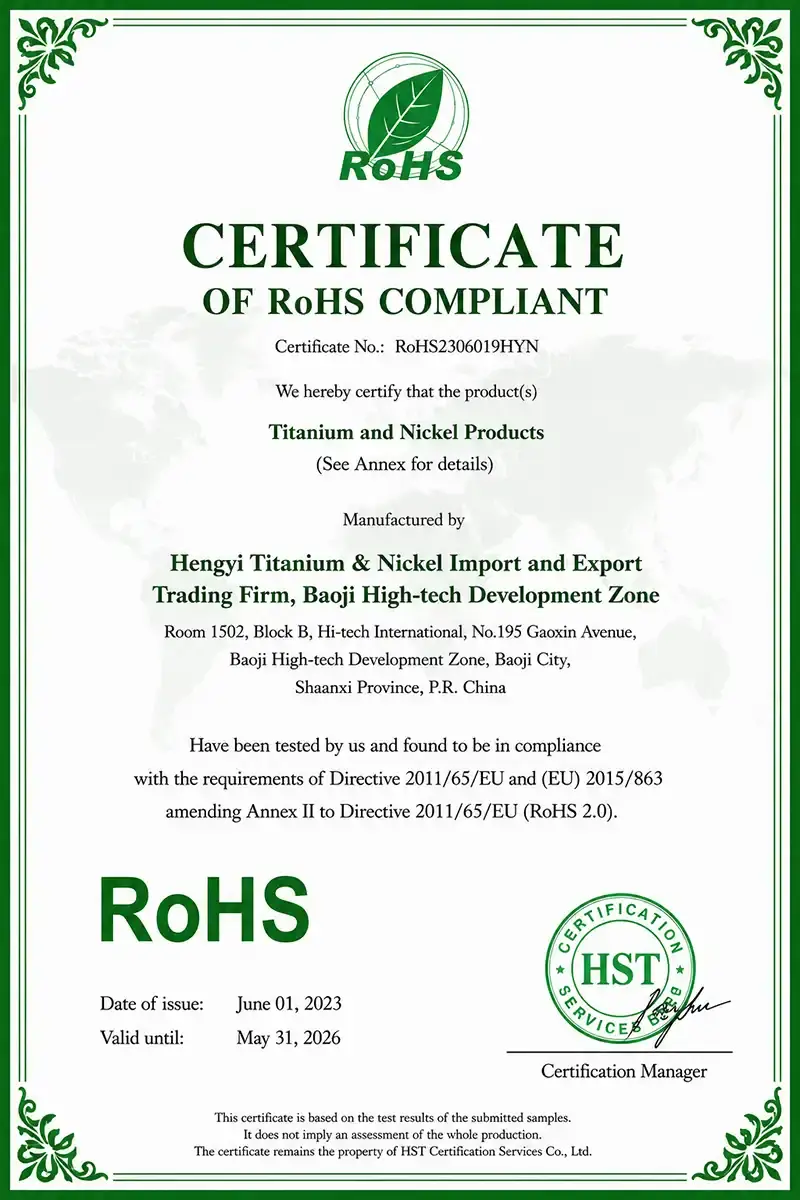
Certifications
International certifications ensuring quality and environmental compliance.
_1781323181031.jpg)
Learn about our latest products and discounts through SMS or email