- English
- French
- German
- Portuguese
- Spanish
- Russian
- Japanese
- Korean
- Arabic
- Greek
- German
- Turkish
- Italian
- Danish
- Romanian
- Indonesian
- Czech
- Afrikaans
- Swedish
- Polish
- Basque
- Catalan
- Esperanto
- Hindi
- Lao
- Albanian
- Amharic
- Armenian
- Azerbaijani
- Belarusian
- Bengali
- Bosnian
- Bulgarian
- Cebuano
- Chichewa
- Corsican
- Croatian
- Dutch
- Estonian
- Filipino
- Finnish
- Frisian
- Galician
- Georgian
- Gujarati
- Haitian
- Hausa
- Hawaiian
- Hebrew
- Hmong
- Hungarian
- Icelandic
- Igbo
- Javanese
- Kannada
- Kazakh
- Khmer
- Kurdish
- Kyrgyz
- Latin
- Latvian
- Lithuanian
- Luxembou..
- Macedonian
- Malagasy
- Malay
- Malayalam
- Maltese
- Maori
- Marathi
- Mongolian
- Burmese
- Nepali
- Norwegian
- Pashto
- Persian
- Punjabi
- Serbian
- Sesotho
- Sinhala
- Slovak
- Slovenian
- Somali
- Samoan
- Scots Gaelic
- Shona
- Sindhi
- Sundanese
- Swahili
- Tajik
- Tamil
- Telugu
- Thai
- Ukrainian
- Urdu
- Uzbek
- Vietnamese
- Welsh
- Xhosa
- Yiddish
- Yoruba
- Zulu
What Advantages Does 3/16" Titanium Sheet Offer Over Stainless Steel in Marine Applications?
Introduction
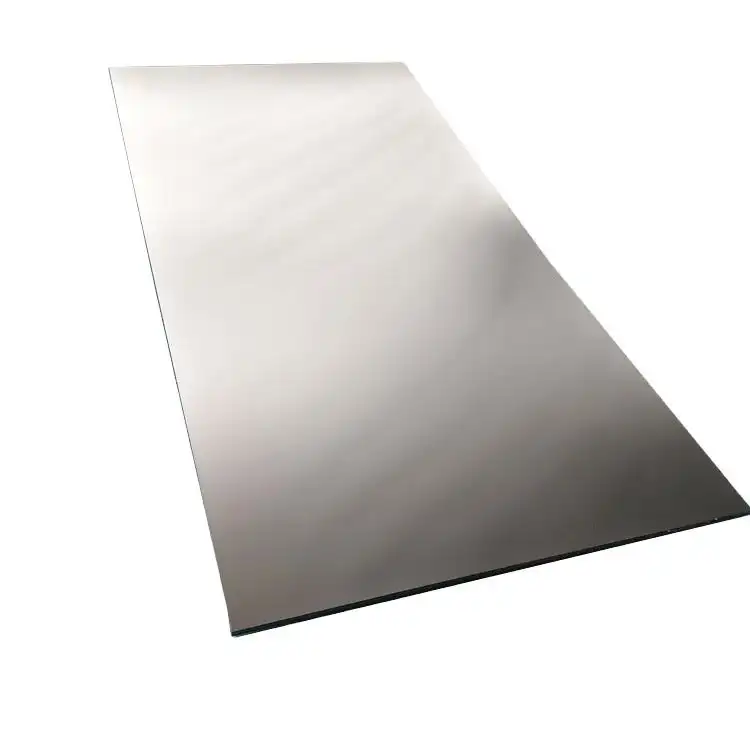
3/16"鈥嬧€嬧€嬧€嬧€嬧€嬧€?nbsp;titanium sheet鈥嬧€嬧€嬧€嬧€嬧€嬧€?/a> is a versatile engineering material that combines exceptional corrosion resistance, high strength-to-weight ratio, and excellent formability across a broad temperature range. Titanium plates and sheets are manufactured in commercially pure grades (GR1, GR2, GR3, GR4) and alpha-beta alloys including Ti-6Al-4V (GR5), providing material options suited to applications from light-duty architectural cladding to heavy-duty pressure vessel construction.
Titanium plate material exhibits outstanding resistance to corrosion in oxidizing environments, including resistance to chlorides, nitric acid, wet chlorine, and many organic acids. Unlike stainless steel and carbon steel, titanium does not suffer from pitting corrosion, stress corrosion cracking, or galvanic attack in chloride-containing environments. This makes titanium plates and sheets particularly valuable in chemical processing equipment, seawater exposure applications, medical implant manufacturing, and architectural components where long-term aesthetic and structural integrity are required.
Titanium plates are produced through controlled rolling, forging, and heat treatment processes that establish the desired mechanical properties, grain structure, and surface finish. Hot rolled titanium plates typically provide thicker cross-sections with refined grain structures suitable for structural applications, while cold rolled titanium sheets offer tighter dimensional tolerances and smoother surface finishes for precision fabrication and aesthetic applications.
HENGYI Titanium and Nickel Import and Export Trading Firm supplies titanium plates and sheets in a comprehensive range of thicknesses, widths, lengths, and material grades. Our products conform to ASTM B209 (sheets and plates), ASTM B265 (plates for pressure vessels), and related international standards. Manufacturing takes place at our Baoji facility with access to complete titanium processing capabilities including melting, forging, hot rolling, cold rolling, heat treatment, and precision surface finishing.
Material Composition and Structural Characteristics
The performance and application suitability of titanium and titanium-based products are fundamentally determined by their chemical composition, microstructural characteristics, and manufacturing processing history. Understanding these factors is essential for selecting the appropriate material grade and product form for specific industrial applications.
|
Grade |
Type |
Ti Min (%) |
Al Max (%) |
Fe Max (%) |
O Max (%) |
|
GR1 |
Commercially Pure |
99.0 |
- |
0.20 |
0.18 |
|
GR2 |
Commercially Pure |
99.0 |
- |
0.30 |
0.25 |
|
GR3 |
Commercially Pure |
99.0 |
- |
0.35 |
0.35 |
|
GR4 |
Commercially Pure |
99.0 |
- |
0.50 |
0.40 |
|
GR5 (Ti-6Al-4V) |
Alpha-Beta Alloy |
Balance |
5.5-6.8 |
0.50 |
0.20 |
Titanium plates are produced from VAR titanium ingots through a sequence of heating, forging, and rolling operations. The ingot is first forged to break down the cast structure and establish directional grain flow, then hot rolled to approximate final thickness, and finally cold rolled to achieve precise dimensional tolerances and surface finish.
The rolling process establishes the plate microstructure and mechanical properties. Hot rolling is typically conducted in the alpha-plus-beta phase field at temperatures between 850 and 980 degrees Celsius for commercially pure titanium, and up to 1050 degrees Celsius for Ti-6Al-4V alloy plate. Solution treating and aging heat treatments are applied to alloy plates to optimize the strength-toughness balance.
Core Performance Characteristics
Titanium plates and sheets offer mechanical properties that vary significantly with grade, temper condition, and thickness. Commercially pure titanium grade 2 plate typically achieves a minimum tensile strength of 345 megapascals with elongation of 20 percent or greater in the annealed condition, providing excellent formability for fabrication operations including bending, stamping, deep drawing, and spinning.
Titanium grade 5 (Ti-6Al-4V) plate delivers minimum tensile strengths of 950 megapascals or higher in the solution treated and aged condition, with elongation values typically ranging from 10 to 15 percent. Heat treatment procedures including solution treating at temperatures between 800 and 950 degrees Celsius followed by air cooling or water quenching, and aging at 500 to 600 degrees Celsius, are employed to optimize the strength and toughness balance for specific applications.
Corrosion resistance is one of titanium plate s most significant performance attributes. Titanium exhibits excellent resistance to atmospheric corrosion, seawater exposure, chloride-containing environments, nitric acid of all concentrations up to boiling point, chromic acid, organic acids, and many caustic solutions. The corrosion rate of commercially pure titanium in seawater is typically less than 0.001 millimeters per year, effectively zero for engineering design purposes.
|
Property |
GR2 Plate |
GR5 Plate (STA) |
Unit |
|
Tensile Strength |
345 min |
950 min |
MPa |
|
Yield Strength |
275 min |
880 min |
MPa |
|
Elongation (2in) |
24 min |
10 min |
% |
|
Density |
4.51 |
4.43 |
g/cm3 |
|
Modulus of Elasticity |
114 |
114 |
GPa |
|
Hardness (Annealed) |
137 HB max |
348 HB max |
HB/RC |
Manufacturing and Processing Capabilities
The manufacturing of 3/16"鈥嬧€嬧€嬧€嬧€嬧€嬧€?strong> titanium sheet follows established titanium processing protocols that ensure consistent quality, mechanical properties, and dimensional accuracy. Our Baoji manufacturing facility integrates the complete titanium processing chain from ingot production through finished product delivery, enabling tight quality control at every production stage.
Quality control procedures include incoming raw material verification, in-process dimensional and property inspection at critical manufacturing stages, and final product testing and documentation. Each shipment is accompanied by mill test certificates documenting chemical composition, mechanical properties, heat treatment records, and dimensional inspection results. Third-party inspection and certification services are available upon request for projects requiring independent quality verification.
Manufacturing Process Overview
|
Process Stage |
Description |
Quality Control Point |
|
Raw Material Selection |
Titanium sponge / VAR ingot verification |
Chemical composition analysis |
|
Primary Forming |
Forging, rolling, or extrusion |
Temperature control, dimensional check |
|
Secondary Processing |
Cold drawing, precision rolling |
Tolerance verification, surface inspection |
|
Heat Treatment |
Annealing, solution treating, aging |
Mechanical property testing |
|
Surface Finishing |
Pickling, polishing, grinding |
Surface quality assessment |
|
Final Inspection |
Dimensional, NDT, documentation |
Mill test certificate issuance |
Applicable Standards
|
Standard |
Coverage |
Applicable Products |
|
ASTM B209 |
Chemically pure and alloy Ti sheet/plate |
All grades |
|
ASTM B265 |
Ti plate for pressure vessels |
GR1-GR5 |
|
AMS 4924 |
Ti plate, solution treated |
GR5 |
|
EN 3-46 |
Titanium and titanium alloys |
Various |
Industrial Applications
3/16" titanium sheet finds application across multiple industrial sectors where the unique combination of titanium material properties delivers measurable performance and economic advantages over conventional engineering materials. The following sections describe the primary application areas and the specific performance requirements that drive titanium material selection.
Water Treatment Industry
Electroplating Industry
Chlor-Alkali Industry
Marine Engineering
Hydrogen Energy Industry
Mining and Metal Recovery
1. Chemical Processing Vessels
Titanium plate is fabricated into reactors, digesters, heat exchangers, storage tanks, and piping systems for processing chlorides, nitric acid, bleach solutions, and other corrosive media where stainless steel would experience rapid corrosion failure.
2. Marine and Shipbuilding
Titanium plate is used in hull plating, sea chests, ballast tanks, and underwater components for naval vessels, offshore platforms, and specialized marine equipment requiring immunity to seawater corrosion and biofouling.
3. Pressure Vessel Construction
Titanium plate meeting ASTM B265 specifications is used in pressure vessel fabrication for chemical, petrochemical, and power generation applications where corrosion resistance and structural integrity under pressure are critical design requirements.
4. Architectural Cladding and Roofing
Titanium sheets and plates provide long-lasting, aesthetically appealing exterior cladding for landmark buildings, stadiums, and commercial structures. The material develops a stable patina over time and requires minimal maintenance over 50+ year service lives.
5. Heat Exchanger Manufacturing
Titanium plate is formed into heat exchanger plates, channels, and manifolds for seawater cooling systems, process heat recovery, and desalination plants where corrosion resistance in chloride environments prevents premature failure.
6. Medical Implant Fabrication
Titanium plate stock is machined and formed into surgical plates, bone fixation devices, cranial reconstruction meshes, and orthopedic implant components requiring certified biocompatibility and documented material traceability.
7. Environmental Equipment
Titanium plate is used in flue gas desulfurization systems, scrubber construction, waste treatment equipment, and pollution control devices where resistance to acidic condensate and chloride corrosion extends equipment service life.
Be used in a wide range of industries.

Water Treatment Industry
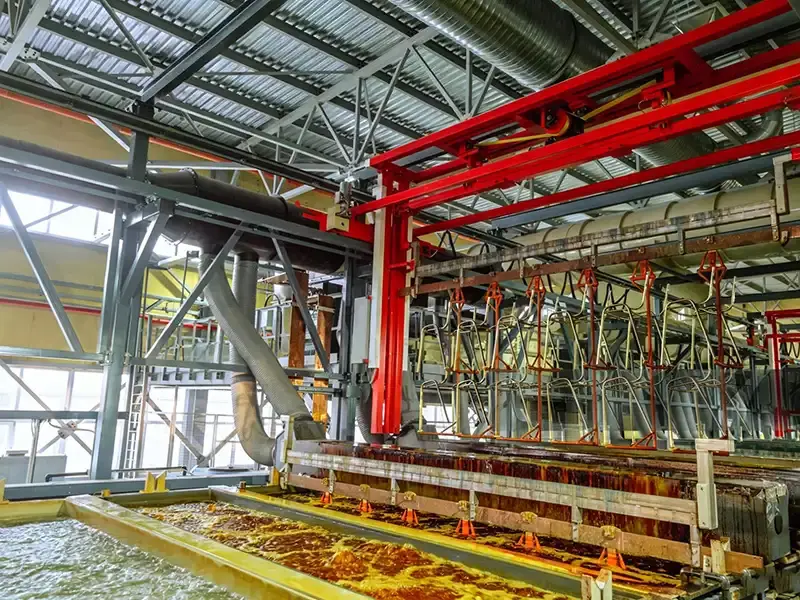
Electroplating Industry
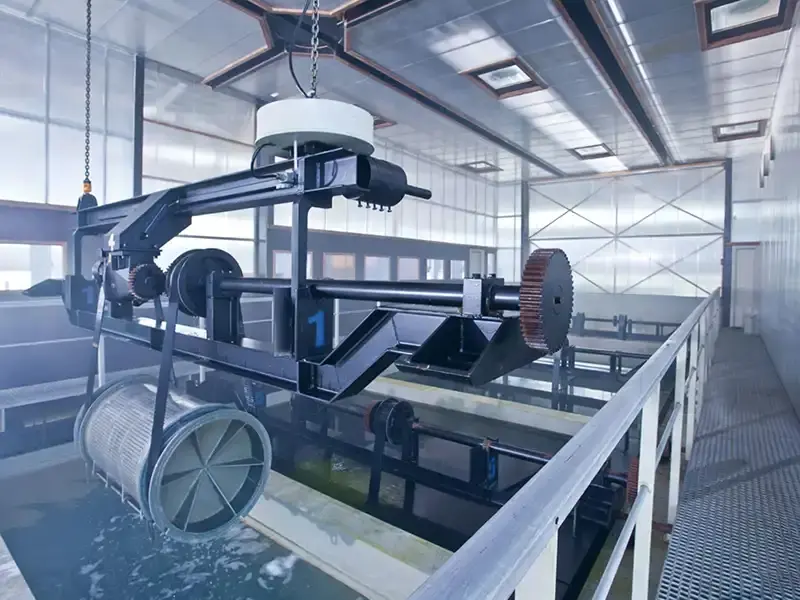
Chlor-Alkali Industry

Marine Engineering
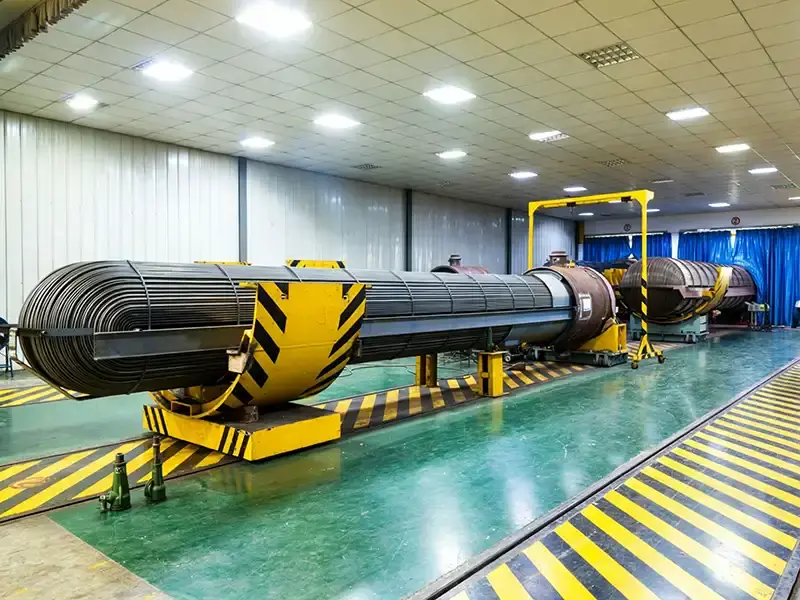
Hydrogen Energy Industry
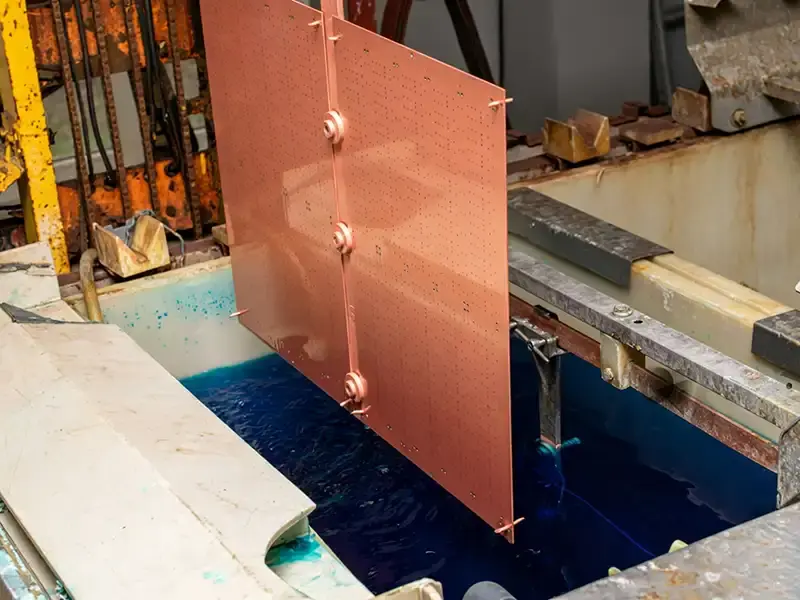
Mining and Metal Recovery
Be used in a wide range of industries.
Water Treatment Industry
Electroplating Industry
Chlor-Alkali Industry
Marine Engineering
Hydrogen Energy Industry
Mining and Metal Recovery
Selection Guidance and Comprehensive Benefits
Selecting the appropriate titanium product grade, form, and specification requires consideration of multiple factors including the operating environment, mechanical load requirements, fabrication methods, regulatory compliance, and total lifecycle cost. The following guidance addresses key selection considerations for procurement and engineering decision-makers.
Grade Selection
Commercially pure titanium grades 1 through 4 are selected based on the required balance between formability and strength. Grade 1 offers maximum ductility for severe forming operations where corrosion resistance is the primary concern. Grade 2 provides the best all-around balance of properties and is the most widely specified titanium grade for general industrial applications. Grades 3 and 4 offer incrementally higher strength for applications where reduced section thickness or increased load capacity is required.
Titanium alloy grades, particularly Ti-6Al-4V (Grade 5), are specified when mechanical strength, fatigue resistance, or elevated temperature performance exceed the capabilities of commercially pure grades. Grade 5 titanium accounts for approximately 50 percent of total titanium consumption globally and is the default choice for high-performance structural applications.
Lifecycle Cost Analysis
While the initial material cost of titanium products may exceed that of carbon steel, stainless steel, or aluminum alternatives, the total cost of ownership over the equipment service life frequently favors titanium selection. Key lifecycle cost factors include:
- Extended service life: Titanium equipment typically lasts 2-5 times longer than stainless steel in corrosive environments, reducing replacement frequency and associated downtime costs.
- Minimal maintenance: Titanium s corrosion immunity eliminates the need for protective coatings, cathodic protection, or regular corrosion monitoring in many applications.
- Weight reduction: Lower material density compared to steel reduces structural support requirements, transportation costs, and installation labor in weight-sensitive applications.
- Process reliability: Titanium s consistent performance reduces the risk of unplanned shutdowns, product contamination, and safety incidents associated with corrosion-related equipment failure.
- Energy efficiency: In electrochemical applications, titanium-based insoluble anodes reduce energy consumption through lower operating voltages and maintained surface efficiency over extended service periods.
Procurement Recommendations
When procuring titanium products, we recommend the following best practices to ensure optimal value and performance:
- Specify material grade, standard, and temper condition clearly in purchase orders to avoid ambiguity and ensure supplier compliance.
- Request mill test certificates (MTC) with all orders to verify chemical composition, mechanical properties, and heat treatment records.
- Consider total lifecycle cost rather than initial material price alone when evaluating titanium against alternative materials.
- Engage the supplier engineering team early in the selection process to optimize grade, form, and specification for your specific application.
- Establish quality inspection procedures including incoming material verification and dimensional tolerance checks for critical applications.
Conclusion
Titanium plates and sheets continue to gain market acceptance across an expanding range of industrial applications, driven by the material s proven corrosion resistance, high strength-to-weight ratio, and long-term durability. As manufacturing capacity increases and production costs stabilize, titanium plate is displacing more expensive alloy steels and specialty metals in applications where its performance advantages justify the material selection.
The availability of multiple grades, surface finishes, and temper conditions provides engineers with significant flexibility in material selection and design optimization. From commercially pure grades offering maximum corrosion resistance to Ti-6Al-4V providing exceptional strength, the titanium plate product family addresses a broad spectrum of engineering requirements.
For procurement professionals evaluating titanium plate for industrial applications, considering the total lifecycle cost including maintenance, replacement frequency, and downtime avoidance typically demonstrates the economic advantage of titanium over less expensive but shorter-lived alternative materials.
FAQ
What titanium plate grades and standards do you offer?
We supply commercially pure titanium grades 1-4 and Ti-6Al-4V (Grade 5) plates conforming to ASTM B209, ASTM B265, AMS 4926, and EN standards. Custom specifications and alternate standards are available.
What plate thicknesses and sizes are available?
Titanium plates are available in thicknesses from 0.5 mm to 150 mm and standard sheet sizes up to 2400 x 1200 mm. Custom widths, lengths, and thicknesses can be produced to meet specific project requirements.
What surface finishes are available for titanium plates?
Surface finishes include mill finish, pickled, bright annealed, ground, polished (BA, 2B, No.4, mirror), and sandblasted. Specific surface roughness requirements can be accommodated.
Do you provide material test certificates with titanium plate orders?
Yes. All titanium plate orders include mill test certificates (MTC) with chemical composition, mechanical properties, and heat treatment records. Third-party inspection and certification are available upon request.
What are the typical lead times for titanium plates?
Standard grades and sizes in common thicknesses are typically available from stock with 2-3 week delivery. Custom sizes, special grades, or heat treatment conditions may require 4-8 weeks depending on specification requirements.
Contact Us
Hengyi Titanium and Nickel Import and Export Trading Firm (HY Ti-Ni Import & Export) specializes in the manufacturing and global supply of high-performance titanium and nickel-based products, including 3/16" titanium sheet. Our products are engineered to meet international standards (ASTM, AMS, ISO, EN) and customized technical requirements, delivering excellent corrosion resistance, stable mechanical and electrochemical properties, and extended service life for demanding industrial applications worldwide.
We offer:
- Product customization (grades, dimensions, surface finishes, special specifications)
- Technical consultation and engineering support
- Bulk supply with consistent quality and reliable delivery
- OEM/ODM manufacturing services
- Mill test certificates and third-party inspection support
For product specifications, technical data sheets, or pricing inquiries, please contact our sales team:
Email: jolina@bjhyti.com
Our technical team is available to assist with material selection, application engineering, and project-specific quotations. We look forward to establishing a long-term partnership with your organization.
_1781749224627.jpg)
_1781658457143.jpg)
Learn about our latest products and discounts through SMS or email