- English
- French
- German
- Portuguese
- Spanish
- Russian
- Japanese
- Korean
- Arabic
- Greek
- German
- Turkish
- Italian
- Danish
- Romanian
- Indonesian
- Czech
- Afrikaans
- Swedish
- Polish
- Basque
- Catalan
- Esperanto
- Hindi
- Lao
- Albanian
- Amharic
- Armenian
- Azerbaijani
- Belarusian
- Bengali
- Bosnian
- Bulgarian
- Cebuano
- Chichewa
- Corsican
- Croatian
- Dutch
- Estonian
- Filipino
- Finnish
- Frisian
- Galician
- Georgian
- Gujarati
- Haitian
- Hausa
- Hawaiian
- Hebrew
- Hmong
- Hungarian
- Icelandic
- Igbo
- Javanese
- Kannada
- Kazakh
- Khmer
- Kurdish
- Kyrgyz
- Latin
- Latvian
- Lithuanian
- Luxembou..
- Macedonian
- Malagasy
- Malay
- Malayalam
- Maltese
- Maori
- Marathi
- Mongolian
- Burmese
- Nepali
- Norwegian
- Pashto
- Persian
- Punjabi
- Serbian
- Sesotho
- Sinhala
- Slovak
- Slovenian
- Somali
- Samoan
- Scots Gaelic
- Shona
- Sindhi
- Sundanese
- Swahili
- Tajik
- Tamil
- Telugu
- Thai
- Ukrainian
- Urdu
- Uzbek
- Vietnamese
- Welsh
- Xhosa
- Yiddish
- Yoruba
- Zulu
How Does Titanium-Coated Ruthenium-Iridium Anode For Chlor-Alkali Achieve Such Extended Service Life in Electrochemical Applications?
Introduction
Titanium anode for chlor-alkali chemical industry represents a critical advancement in electrochemical technology and cathodic protection systems. As industries worldwide seek more efficient, durable, and cost-effective solutions for corrosion prevention and electrochemical processes, dimensionally stable anodes (DSA) have become the preferred choice for engineering applications spanning water treatment, metal recovery, and infrastructure protection.
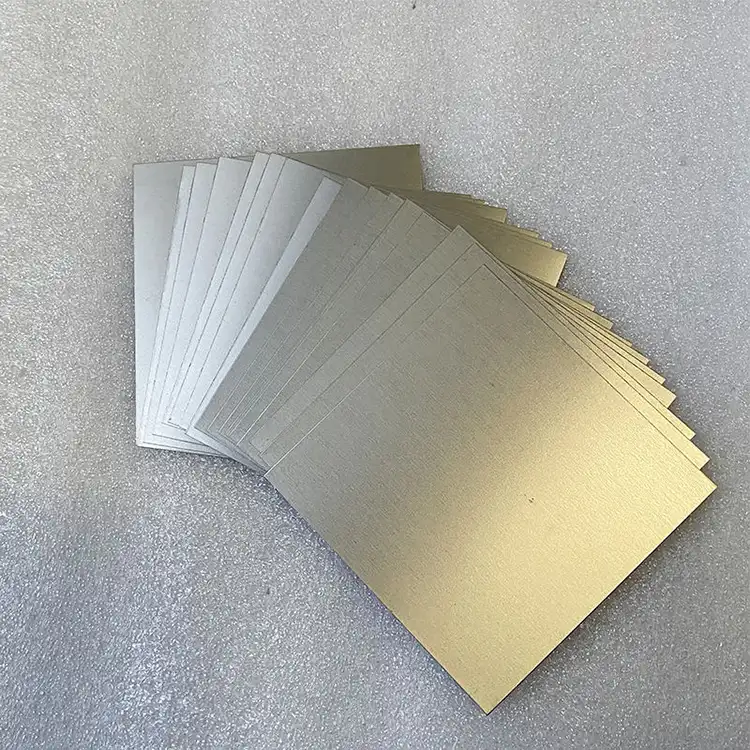
Mixed Metal Oxide (MMO) coated titanium anodes consist of a titanium substrate covered with a thin layer of mixed metal oxides such as iridium, ruthenium, tantalum, and titanium. This combination provides exceptional electrocatalytic activity, extremely low consumption rates, and dimensional stability far exceeding traditional graphite or silicon carbide anodes. The titanium substrate offers excellent mechanical strength while the MMO coating delivers high current efficiency and long service life in aggressive electrolytic environments.
HENGYI Titanium and Nickel Import and Export Trading Firm specializes in the design, manufacturing, and global supply of premium-grade MMO anodes and related titanium electrochemical products. Our anodes are engineered to meet ASTM, ISO, and international industry standards, delivering consistent performance in the most demanding corrosive environments. With extensive manufacturing expertise and rigorous quality control at every production stage, we provide anode solutions that significantly extend operational life while reducing maintenance costs, energy consumption, and downtime.
The company serves clients across more than thirty countries, offering customized anode geometries, coating formulations, and connection configurations tailored to specific process requirements. Whether for municipal wastewater treatment, industrial electroplating bath lines, offshore pipeline cathodic protection, or seawater electrolysis systems, our MMO anodes deliver proven reliability, stable electrochemical performance, and superior current efficiency throughout their designed service life.
 |
 |
 |
 |
Material Composition and Structural Characteristics
The performance and application suitability of titanium and titanium-based products are fundamentally determined by their chemical composition, microstructural characteristics, and manufacturing processing history. Understanding these factors is essential for selecting the appropriate material grade and product form for specific industrial applications.
|
Component |
Typical Content |
Function |
|
Titanium Substrate |
Balance |
Mechanical support, electrical conduction |
|
Iridium Oxide (IrO2) |
0.5 - 5.0 g/m2 per side |
Primary electrocatalyst for Cl2 evolution |
|
Ruthenium Oxide (RuO2) |
0.1 - 2.0 g/m2 per side |
Co-catalyst, improves coating adhesion |
|
Tantalum Oxide (Ta2O5) |
Optional additive |
Stabilizes coating, extends service life |
|
Titanium Dioxide (TiO2) |
Optional additive |
Reduces consumption rate in O2 evolution |
MMO anode products consist of two primary components: the titanium substrate that provides structural strength and electrical conductivity, and the mixed metal oxide catalytic coating that enables efficient electrochemical reactions. The titanium substrate is typically commercially pure Grade 1 or Grade 2 titanium, selected for its excellent formability, weldability, and corrosion resistance. The MMO coating is applied through a controlled thermal decomposition process where precursor solutions containing metal oxide salts are deposited onto the prepared titanium surface and subsequently calcined at temperatures between 400 and 500 degrees Celsius.
The calcination process converts the precursor salts into crystalline metal oxide phases that are firmly bonded to the titanium substrate. Multiple coating cycles may be applied to achieve the target coating mass and electrochemical performance specifications. The coating microstructure consists of interlocking crystalline grains that provide both electrocatalytic activity and mechanical durability.
Core Performance Characteristics
The electrochemical performance of MMO anodes is characterized by low operating voltage, high current efficiency, minimal consumption rate, and stable output over extended service periods. The mixed metal oxide coating functions as an electrocatalyst that significantly lowers the overpotential for the desired electrode reaction, whether chlorine evolution, oxygen evolution, or another target process. This catalytic effect translates directly to reduced energy consumption per unit of process output.
Typical MMO anode consumption rates range from 0.1 to 1.0 grams per ampere-year depending on the coating formulation, operating current density, and electrolyte composition. Iridium-ruthenium oxide coatings optimized for chlorine evolution demonstrate consumption rates at the lower end of this range in saturated brine solutions, while coatings used for oxygen evolution in less conductive media may operate at higher consumption rates. Modern MMO coating formulations achieve current efficiencies exceeding 90 percent in most industrial electrolytic applications.
The dimensional stability of MMO anodes is a significant operational advantage over consumable anode materials. The titanium substrate maintains its geometric shape throughout the anode service life, ensuring consistent inter-electrode spacing, uniform current distribution, and predictable cell voltage without the periodic adjustment required for dissolving anode systems. This dimensional stability contributes to process consistency and reduces operational complexity in continuous electrolytic operations.
|
Property |
Typical Value |
Test Condition |
|
Current Efficiency |
> 90% |
Saturated NaCl, 55-60 C |
|
Consumption Rate |
< 0.1 g/A.year |
Chlorine evolution service |
|
Operating Voltage |
1.2 - 2.5 V |
Depends on electrolyte and current density |
|
Substrate Material |
Gr1 / Gr2 Titanium |
ASTM B265 |
|
Service Life |
2 - 10+ years |
Depends on application and current load |
|
Coating Method |
Thermal decomposition (calcination) |
400-500 C calcination cycle |
Comparison with Alternative Materials
Understanding how titanium-based products compare to alternative materials is essential for making informed engineering and procurement decisions. The following comparison provides typical performance characteristics across commonly evaluated material categories.
|
Parameter |
MMO Titanium Anode |
Graphite Anode |
Pt/Ti Anode |
|
Service Life |
Long (5-10+ years) |
Short (1-2 years) |
Very Long (10-20+ years) |
|
Consumption Rate |
Very Low |
High (consumable) |
Negligible |
|
Dimensional Stability |
Excellent |
Poor (shrinks) |
Excellent |
|
Energy Consumption |
Low |
Moderate |
Lowest |
|
Cost |
Moderate |
Low initial cost |
Higher initial cost |
|
Coating Damage Resistance |
Good |
N/A |
Fair |
Manufacturing and Processing Capabilities
MMO anode manufacturing involves several critical process steps that collectively determine the final product performance and service life. The process begins with titanium substrate preparation, where the substrate surface is cleaned, degreased, and abraded to establish optimal coating adhesion characteristics. Surface preparation quality directly influences coating bond strength and long-term dimensional stability under electrochemical operating conditions.
The coating application process involves preparing aqueous precursor solutions containing controlled ratios of metal oxide salts such as iridium chloride, ruthenium chloride, and tantalum compounds. These solutions are uniformly applied to the prepared titanium substrate through dip-coating, spray-coating, or brush-application methods, followed by drying and calcination in controlled atmosphere furnaces at 400-500 degrees Celsius. Multiple coating cycles are typically required to achieve the target coating mass and electrochemical performance specifications.
Quality control procedures for MMO anodes include coating mass measurement through gravimetric methods, coating adhesion testing, electrochemical performance verification including current efficiency and consumption rate measurements, and dimensional inspection to confirm compliance with specified tolerances. Each production batch is documented with material traceability records linking raw material certificates to finished product specifications.
Industrial Applications
Titanium anode for chlor-alkali chemical industry finds application across multiple industrial sectors where the unique combination of titanium material properties delivers measurable performance and economic advantages over conventional engineering materials. The following sections describe the primary application areas and the specific performance requirements that drive titanium material selection.
1. Water and Wastewater Treatment
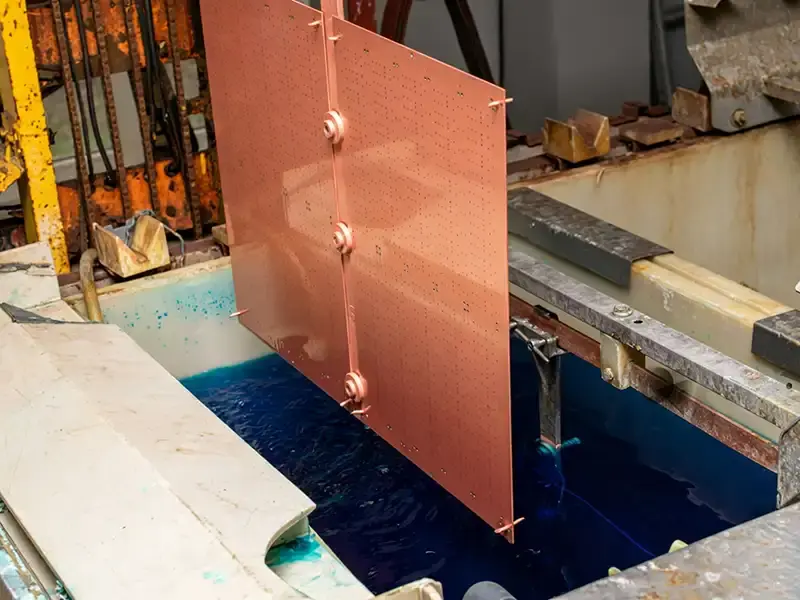
Electrochemical disinfection systems use MMO anodes to generate sodium hypochlorite in situ for continuous pathogen control in municipal water treatment plants and industrial wastewater facilities. The anodes provide reliable, chemical-free disinfection with minimal operator contact with hazardous substances.
2. Cathodic Protection
MMO linear and ribbon anodes protect buried pipelines, ship hulls, offshore platforms, and reinforced concrete structures from corrosion. Their long service life (20-30+ years) and low maintenance requirements make them economically superior to sacrificial anode systems for major infrastructure projects.
3. Electroplating Industries
MMO anodes serve as insoluble anodes in electroplating baths for copper, nickel, zinc, chrome, gold, and precious metal plating operations. They maintain dimensional stability and do not contaminate plating solutions, ensuring consistent deposit quality over extended operating periods.
4. Chlor-Alkali Production
Dimensionally stable MMO anodes replace traditional graphite anodes in chlor-alkali electrolysis cells, reducing energy consumption, eliminating carbon contamination of products, and extending cell operating life between scheduled maintenance shutdowns.
5. Metal Recovery and Recycling
MMO anodes are used in electrowinning and electrorefining circuits for copper, zinc, nickel, gold, and other metal recovery from leach solutions, etching liquids, and recycling streams. High current efficiency and low consumption rates maximize metal recovery economics.
6. Swimming Pool and Spa Disinfection
MMO titanium anodes generate chlorine from dissolved salt in swimming pool electrolytic disinfection systems, providing continuous sanitation without handling, storing, or dosing chemical chlorine. Systems reduce operating costs and improve water quality consistency.
7. Seawater Electrolysis Systems
MMO anodes function as dimensionally stable electrodes in seawater electrolysis generators used for onboard cathodic protection, aquaculture systems, and floating disinfection stations. The chloride-rich environment is ideal for chlorine-generating MMO coatings.
Be used in a wide range of industries.
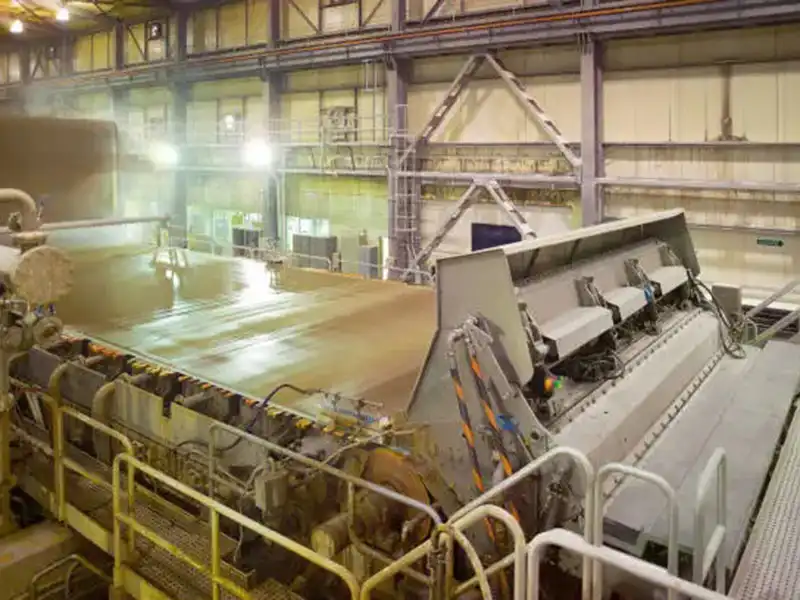
Electrolytic copper foil manufacturing industry

Hydrometallurgy industry
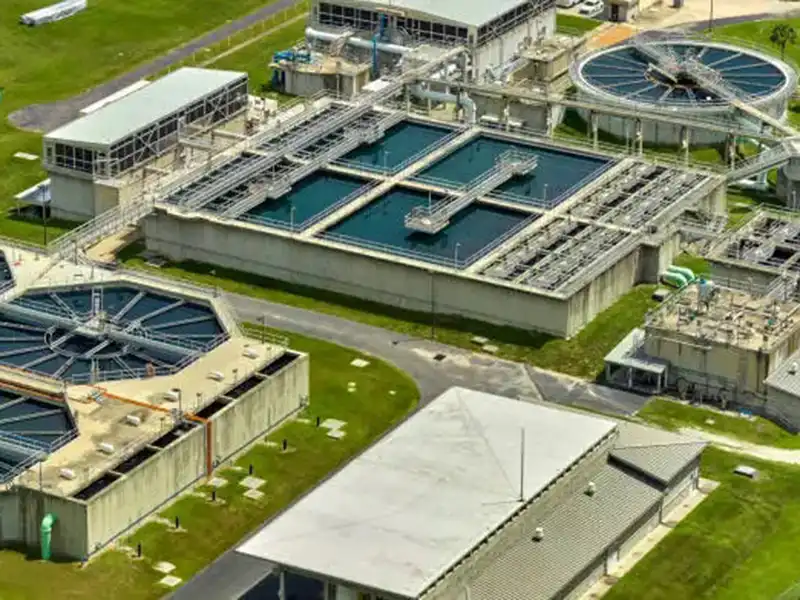
Sewage treatment industry
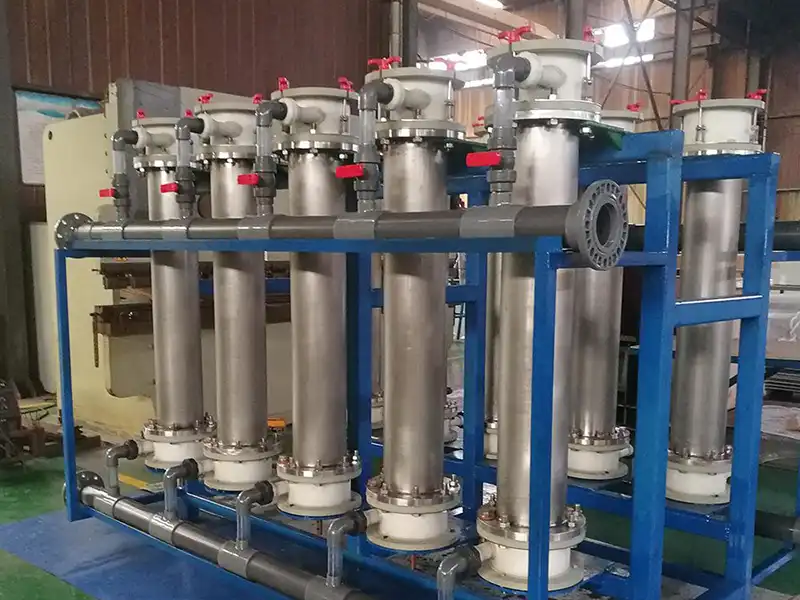
Cyclone electrolysis industry
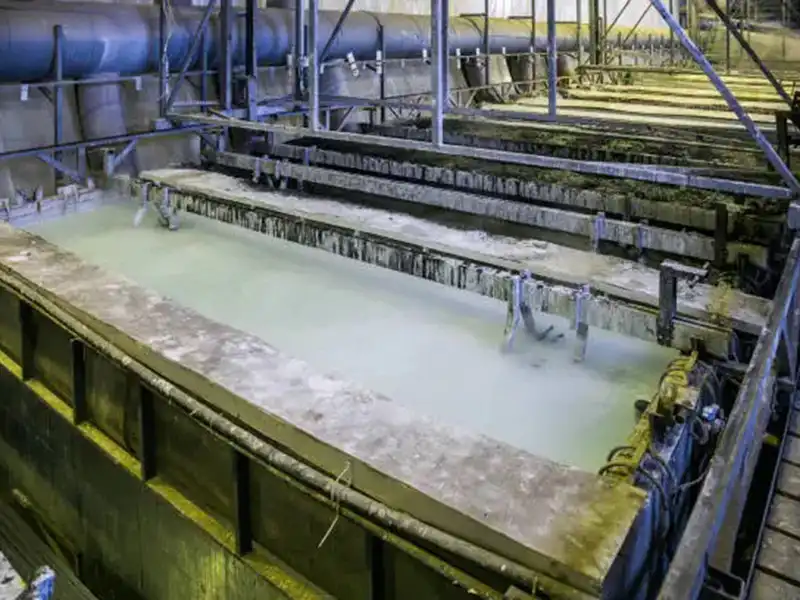
Etching liquid electrolysis recovery industry
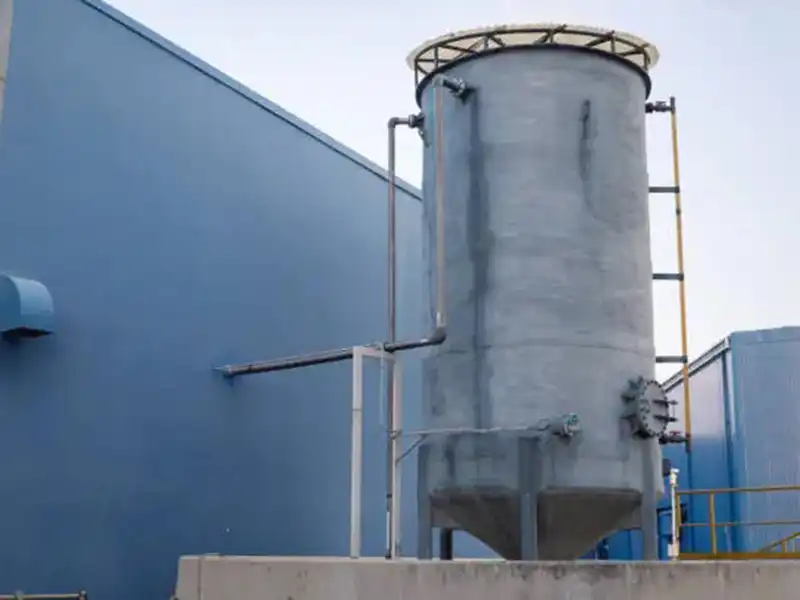
Electrolytic sodium hypochlorite industry
Be used in a wide range of industries.

Water Treatment Industry
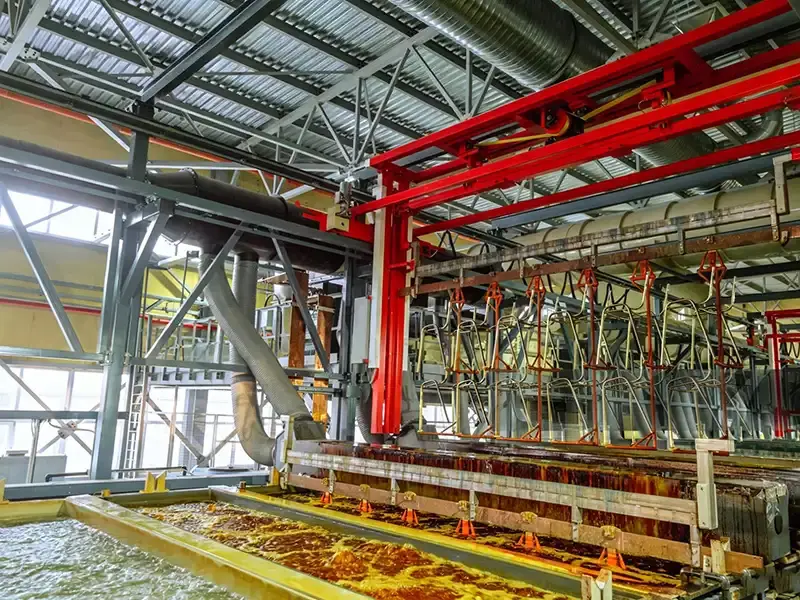
Electroplating Industry
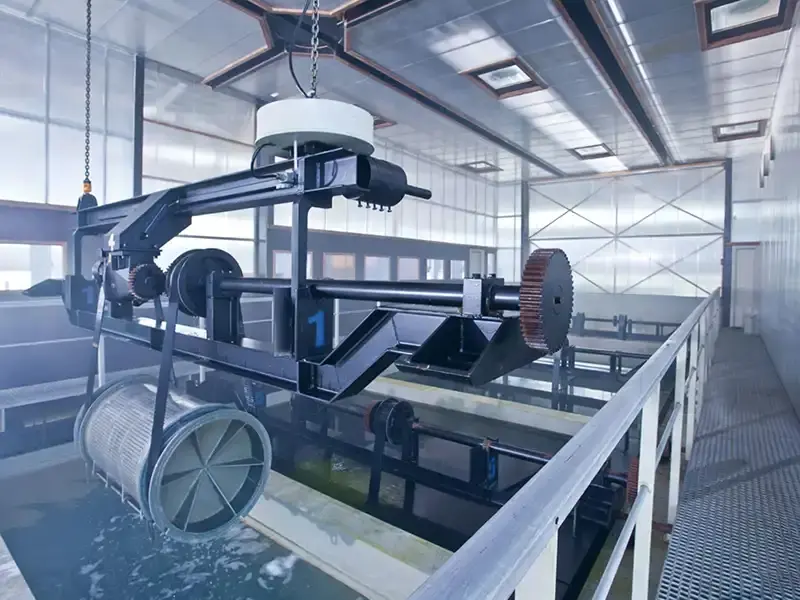
Chlor-Alkali Industry

Marine Engineering
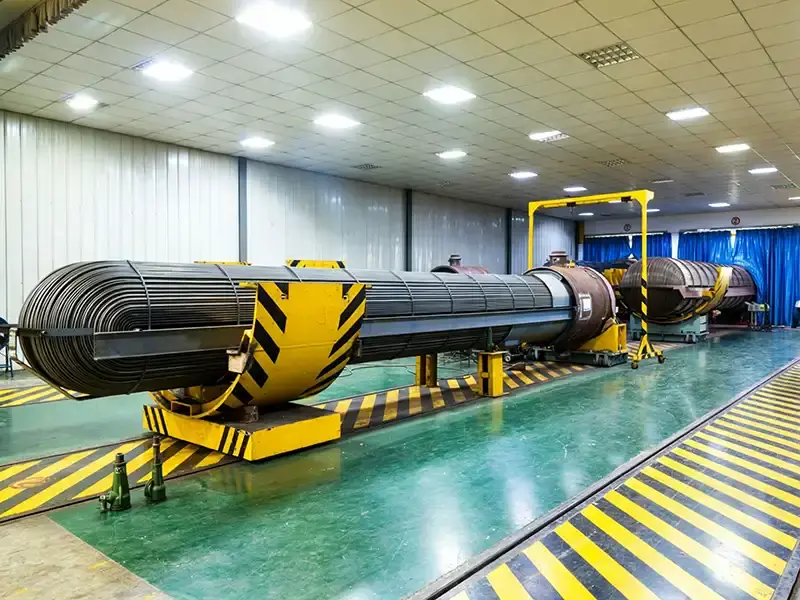
Hydrogen Energy Industry
Mining and Metal Recovery
Selection Guidance and Comprehensive Benefits
Selecting the appropriate titanium product grade, form, and specification requires consideration of multiple factors including the operating environment, mechanical load requirements, fabrication methods, regulatory compliance, and total lifecycle cost. The following guidance addresses key selection considerations for procurement and engineering decision-makers.
Grade Selection
Grade selection should be based on the specific performance requirements of the application, including operating environment, mechanical loads, temperature range, and regulatory or certification requirements. Our technical team can provide grade recommendations based on your application parameters and help optimize the balance between material performance and cost.
Lifecycle Cost Analysis
While the initial material cost of titanium products may exceed that of carbon steel, stainless steel, or aluminum alternatives, the total cost of ownership over the equipment service life frequently favors titanium selection. Key lifecycle cost factors include:
- Extended service life: Titanium equipment typically lasts 2-5 times longer than stainless steel in corrosive environments, reducing replacement frequency and associated downtime costs.
- Minimal maintenance: Titanium s corrosion immunity eliminates the need for protective coatings, cathodic protection, or regular corrosion monitoring in many applications.
- Weight reduction: Lower material density compared to steel reduces structural support requirements, transportation costs, and installation labor in weight-sensitive applications.
- Process reliability: Titanium s consistent performance reduces the risk of unplanned shutdowns, product contamination, and safety incidents associated with corrosion-related equipment failure.
- Energy efficiency: In electrochemical applications, titanium-based insoluble anodes reduce energy consumption through lower operating voltages and maintained surface efficiency over extended service periods.
Procurement Recommendations
When procuring titanium products, we recommend the following best practices to ensure optimal value and performance:
- Specify material grade, standard, and temper condition clearly in purchase orders to avoid ambiguity and ensure supplier compliance.
- Request mill test certificates (MTC) with all orders to verify chemical composition, mechanical properties, and heat treatment records.
- Consider total lifecycle cost rather than initial material price alone when evaluating titanium against alternative materials.
- Engage the supplier engineering team early in the selection process to optimize grade, form, and specification for your specific application.
- Establish quality inspection procedures including incoming material verification and dimensional tolerance checks for critical applications.
Conclusion
MMO anodes represent a mature, well-established technology that continues to gain market share across diverse industrial applications. The combination of dimensional stability, low consumption rate, high current efficiency, and extended service life makes MMO titanium anodes the preferred insoluble anode solution for most electrochemical and cathodic protection applications.
Manufacturing improvements in coating formulation and application techniques have steadily reduced consumption rates while improving mechanical durability, extending effective service life and reducing replacement frequency. As electrocatalytic technology advances, newer coating compositions are achieving performance levels that were not available in earlier generations of MMO anode products.
The global market for MMO anodes continues to expand, driven by infrastructure protection programs, water treatment regulatory requirements, and industrial process electrification trends. For procurement professionals evaluating anode solutions, MMO titanium anodes offer a compelling combination of technical performance and lifecycle cost effectiveness that justifies their selection for new installations and replacement programs.
FAQ
How do I select the correct MMO anode for my application?
Anode selection depends on the electrolyte composition, operating current density, target reaction (chlorine evolution, oxygen evolution, or other), and required service life. Our engineering team can recommend the optimal coating formulation and geometry for your specific process conditions.
What is the typical service life of an MMO titanium anode?
Service life varies by application and operating conditions. In chlor-alkali and electroplating applications, MMO anodes typically last 5-10+ years. For cathodic protection applications in soil or freshwater, service life can exceed 20-30 years.
Can MMO anodes be customized to non-standard dimensions?
Yes. We manufacture MMO anodes in custom diameters, lengths, shapes, and configurations to match existing equipment or optimize new system designs. OEM and ODM services are available.
What is the difference between MMO anodes and platinum-coated titanium anodes?
MMO coatings are thicker ceramic-metal composite layers offering good mechanical durability and moderate catalytic activity. Platinum coatings are thinner metallic layers providing lower operating voltage and higher catalytic efficiency but at a higher initial cost. MMO is generally preferred for cathodic protection, while Pt/Ti is favored for high-current-density electrolysis.
What is the typical delivery lead time for MMO anodes?
Standard sizes are typically available from stock with 2-4 week delivery. Custom-specification anodes require 4-8 weeks depending on coating complexity and quantity.
Contact Us
Hengyi Titanium and Nickel Import and Export Trading Firm (HY Ti-Ni Import & Export) specializes in the manufacturing and global supply of high-performance titanium and nickel-based products, including titanium anode for chlor-alkali chemical industry. Our products are engineered to meet international standards (ASTM, AMS, ISO, EN) and customized technical requirements, delivering excellent corrosion resistance, stable mechanical and electrochemical properties, and extended service life for demanding industrial applications worldwide.
We offer:
- Product customization (grades, dimensions, surface finishes, special specifications)
- Technical consultation and engineering support
- Bulk supply with consistent quality and reliable delivery
- OEM/ODM manufacturing services
- Mill test certificates and third-party inspection support
For product specifications, technical data sheets, or pricing inquiries, please contact our sales team:
Email: jolina@bjhyti.com
Our technical team is available to assist with material selection, application engineering, and project-specific quotations. We look forward to establishing a long-term partnership with your organization.
_1781487666151.jpg)
Learn about our latest products and discounts through SMS or email