- English
- French
- German
- Portuguese
- Spanish
- Russian
- Japanese
- Korean
- Arabic
- Greek
- German
- Turkish
- Italian
- Danish
- Romanian
- Indonesian
- Czech
- Afrikaans
- Swedish
- Polish
- Basque
- Catalan
- Esperanto
- Hindi
- Lao
- Albanian
- Amharic
- Armenian
- Azerbaijani
- Belarusian
- Bengali
- Bosnian
- Bulgarian
- Cebuano
- Chichewa
- Corsican
- Croatian
- Dutch
- Estonian
- Filipino
- Finnish
- Frisian
- Galician
- Georgian
- Gujarati
- Haitian
- Hausa
- Hawaiian
- Hebrew
- Hmong
- Hungarian
- Icelandic
- Igbo
- Javanese
- Kannada
- Kazakh
- Khmer
- Kurdish
- Kyrgyz
- Latin
- Latvian
- Lithuanian
- Luxembou..
- Macedonian
- Malagasy
- Malay
- Malayalam
- Maltese
- Maori
- Marathi
- Mongolian
- Burmese
- Nepali
- Norwegian
- Pashto
- Persian
- Punjabi
- Serbian
- Sesotho
- Sinhala
- Slovak
- Slovenian
- Somali
- Samoan
- Scots Gaelic
- Shona
- Sindhi
- Sundanese
- Swahili
- Tajik
- Tamil
- Telugu
- Thai
- Ukrainian
- Urdu
- Uzbek
- Vietnamese
- Welsh
- Xhosa
- Yiddish
- Yoruba
- Zulu
How Does Anode Belt For Cathodic Protection Achieve Such Extended Service Life in Electrochemical Applications?
Introduction
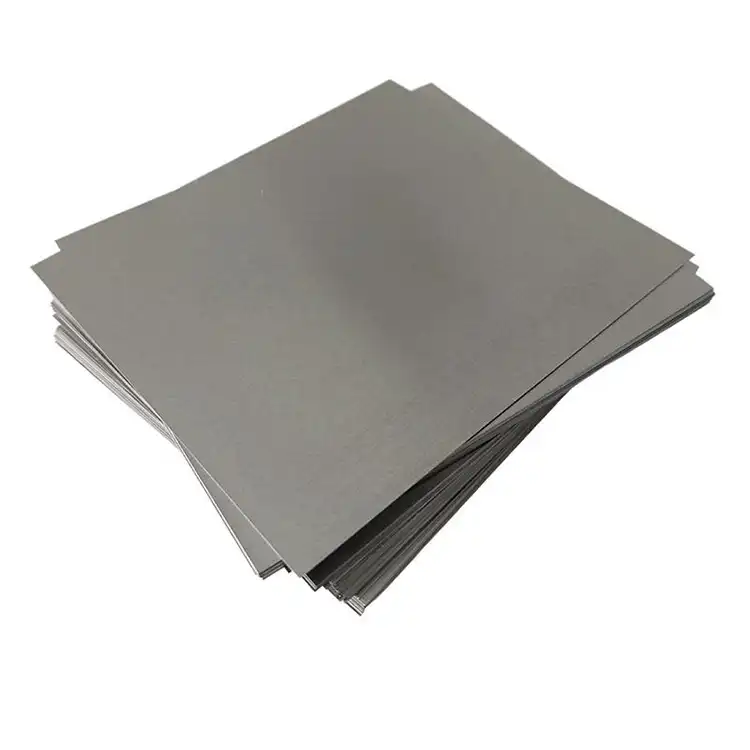
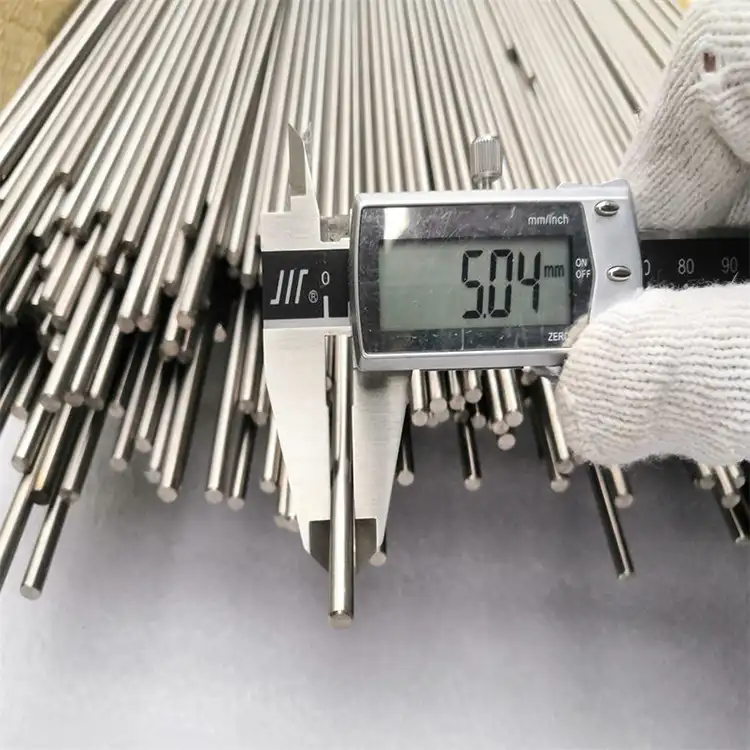
Anode Belt For Cathodic Protection is a high-performance metallic material valued for its exceptional combination of strength, corrosion resistance, lightweight characteristics, and versatility across industrial applications. Titanium and titanium alloy products belong to a family of engineering materials that have become increasingly important in sectors ranging from chemical processing and marine engineering to aerospace manufacturing and medical device production.Titanium s fundamental advantage lies in its naturally forming oxide layer, which provides outstanding corrosion resistance in oxidizing and neutral environments including atmospheric exposure, seawater, chlorides, nitric acid, and many organic chemical media. The material s strength-to-weight ratio exceeds that of most structural metals, with titanium alloys achieving tensile strengths comparable to high-strength steels at approximately 45 percent of the density. This makes titanium particularly valuable for weight-sensitive applications in aerospace, transportation, and portable equipment.Titanium products are manufactured in commercially pure grades (grades 1 through 4, distinguished primarily by increasing interstitial content and corresponding strength levels) and alloy grades dominated by the Ti-6Al-4V composition. Processing routes include casting, forging, rolling, extrusion, drawing, and powder metallurgy, each establishing distinct microstructures and property profiles suited to different application requirements.HENGYI Titanium and Nickel Import and Export Trading Firm manufactures and supplies titanium products from our production facility in Baoji, China s premier titanium manufacturing region. Our titanium product portfolio covers the full spectrum of commercially available forms including rods, bars, plates, sheets, wires, tubes, forgings, fasteners, and custom machined components, with comprehensive quality documentation and international certification available for all products.
Material Composition and Structural Characteristics
The performance and application suitability of titanium and titanium-based products are fundamentally determined by their chemical composition, microstructural characteristics, and manufacturing processing history. Understanding these factors is essential for selecting the appropriate material grade and product form for specific industrial applications.
Titanium and titanium alloy products are manufactured through established metallurgical processes that begin with titanium sponge production via the Kroll process or emerging alternative methods. The sponge is melted into consumable electrodes through vacuum arc remelting (VAR) or electron beam melting (EBM), producing ingots with homogeneous chemistry and clean microstructure suitable for downstream forming operations.
The specific manufacturing route for Anode belt for cathodic protection depends on the product form, material grade, and application requirements. Common processing sequences include ingot breakdown through forging or isostatic pressing, primary rolling or extrusion to establish the basic product geometry, and finishing operations including cold drawing, precision rolling, or surface treatment to achieve final dimensional and surface specifications.
Core Performance Characteristics
Titanium products deliver a distinctive combination of mechanical properties, corrosion resistance, and physical characteristics that make them suitable for demanding industrial applications across multiple sectors. The material s inherent properties can be tailored through grade selection, thermomechanical processing, and heat treatment to meet specific performance requirements.Commercially pure titanium grades (GR1 through GR4) provide a spectrum of strength and formability options. Grade 1 offers maximum ductility for severe forming operations, while Grade 4 provides the highest strength among commercially pure grades. Titanium alloys, particularly Ti-6Al-4V, deliver tensile strengths exceeding 900 megapascals while maintaining excellent corrosion resistance and a density of approximately 4.5 grams per cubic centimeter, roughly 45 percent lighter than steel.Titanium maintains excellent mechanical properties across a wide temperature range from cryogenic temperatures up to approximately 350 degrees Celsius for commercially pure grades and slightly higher for titanium alloys. The material does not undergo a ductile-to-brittle transition at low temperatures, making it suitable for cryogenic service where carbon steels and many other structural metals lose toughness.
Manufacturing and Processing Capabilities
The manufacturing of Anode belt for cathodic protection follows established titanium processing protocols that ensure consistent quality, mechanical properties, and dimensional accuracy. Our Baoji manufacturing facility integrates the complete titanium processing chain from ingot production through finished product delivery, enabling tight quality control at every production stage.
Quality control procedures include incoming raw material verification, in-process dimensional and property inspection at critical manufacturing stages, and final product testing and documentation. Each shipment is accompanied by mill test certificates documenting chemical composition, mechanical properties, heat treatment records, and dimensional inspection results. Third-party inspection and certification services are available upon request for projects requiring independent quality verification.
Industrial Applications
Anode belt for cathodic protection finds application across multiple industrial sectors where the unique combination of titanium material properties delivers measurable performance and economic advantages over conventional engineering materials. The following sections describe the primary application areas and the specific performance requirements that drive titanium material selection.
Water Treatment Industry
Electroplating Industry
Chlor-Alkali Industry
Marine Engineering
Hydrogen Energy Industry
Mining and Metal Recovery
1. Chemical Processing
Titanium products are used across chemical processing industries for equipment, piping, valves, and structural components exposed to corrosive process media including chlorides, acids, and oxidizing environments.
2. Marine Engineering
Titanium s immunity to seawater corrosion makes it ideal for marine hardware, offshore platform components, desalination plants, and underwater systems requiring long-term reliability with minimal maintenance.
3. Medical Devices
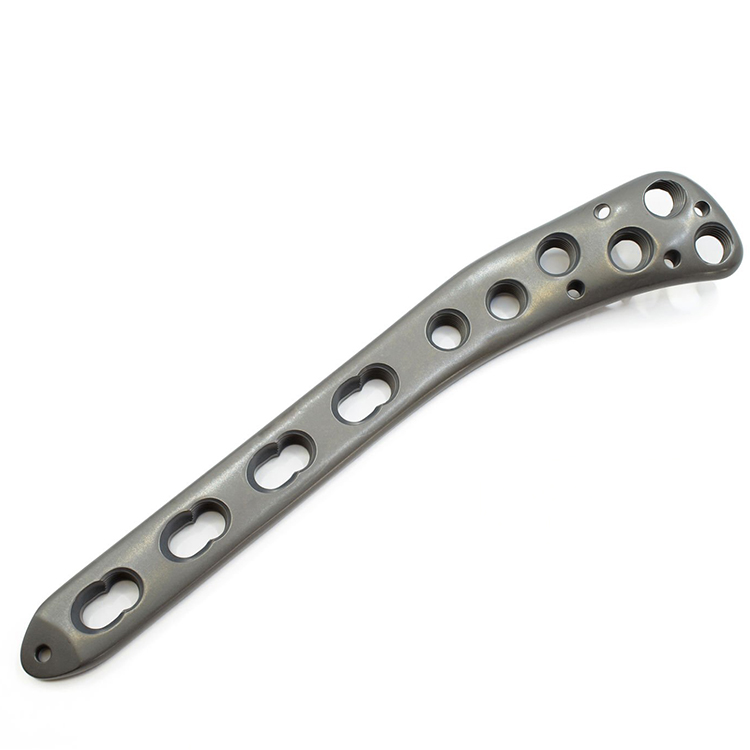
Titanium products serve medical device manufacturers for implants, surgical instruments, and healthcare equipment requiring biocompatibility, corrosion resistance, and mechanical reliability.
4. Aerospace Manufacturing
Titanium alloys provide essential structural materials for aircraft engines, airframes, and space applications where high strength, low weight, and temperature resistance are critical design parameters.
5. Energy and Power Generation
Titanium products are used in power plant heat exchangers, nuclear components, solar thermal systems, and battery manufacturing equipment requiring corrosion resistance and thermal stability.
6. Construction and Architecture
Titanium cladding, roofing, and structural components provide decades of maintenance-free service in landmark architectural applications worldwide.
Be used in a wide range of industries.

Water Treatment Industry
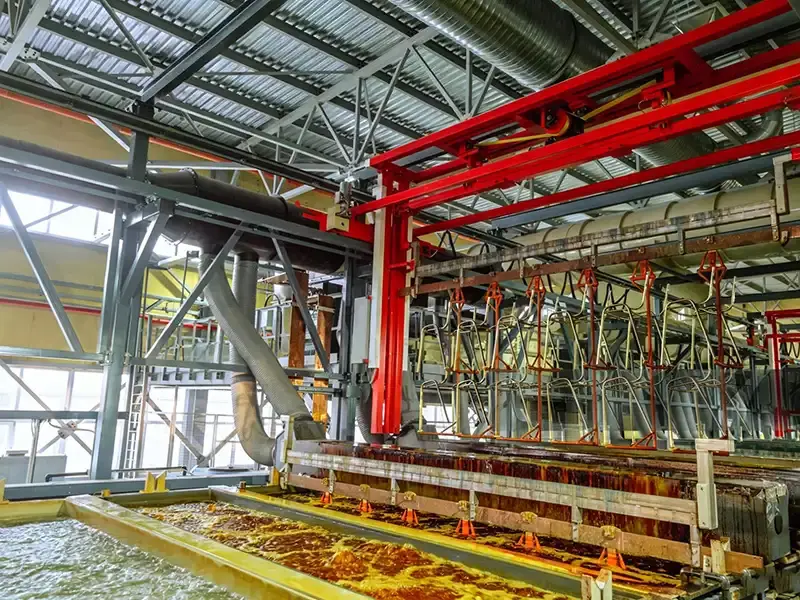
Electroplating Industry
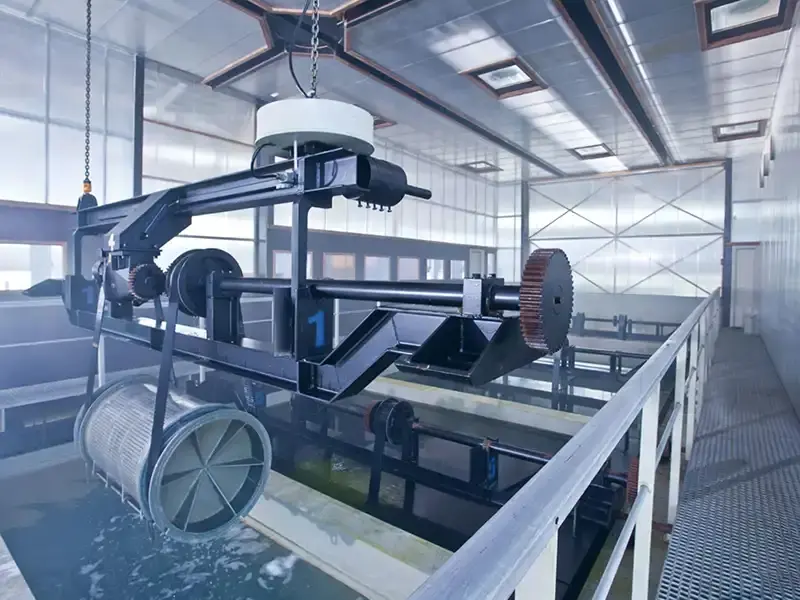
Chlor-Alkali Industry

Marine Engineering
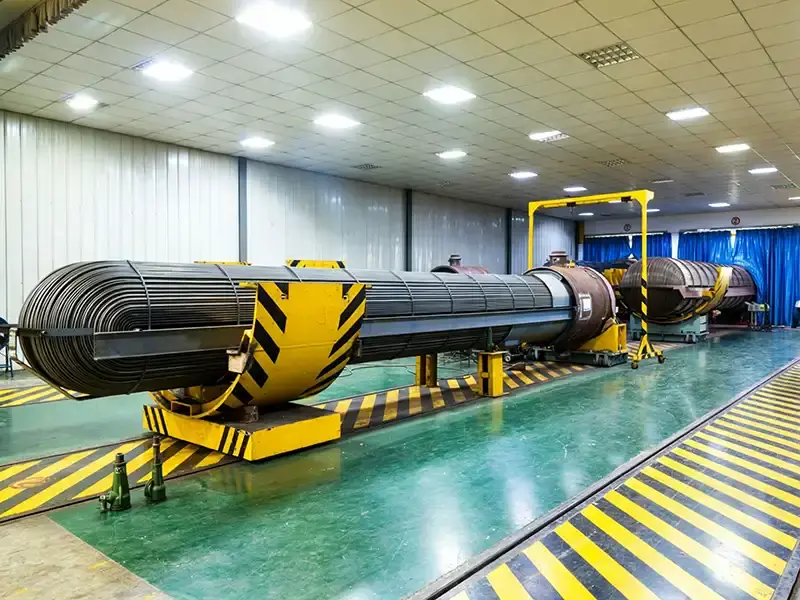
Hydrogen Energy Industry
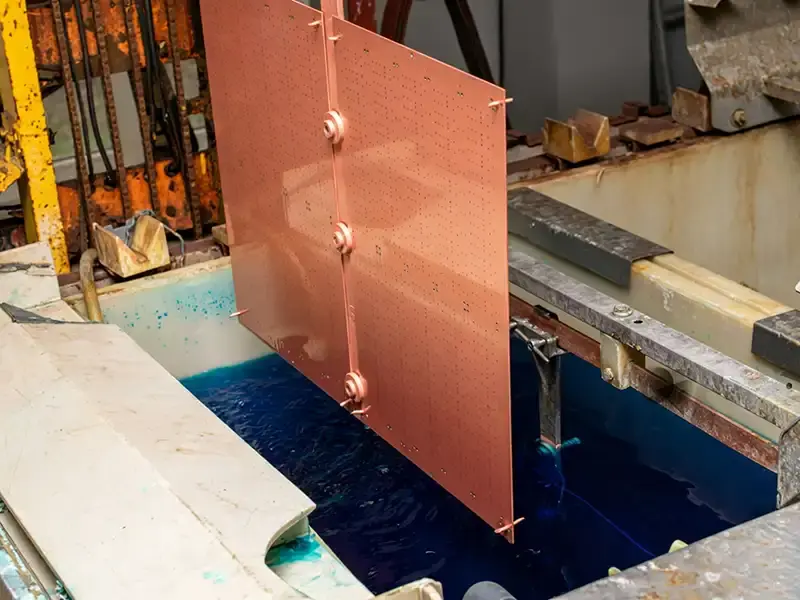
Mining and Metal Recovery
Be used in a wide range of industries.
Water Treatment Industry
Electroplating Industry
Chlor-Alkali Industry
Marine Engineering
Hydrogen Energy Industry
Mining and Metal Recovery
Selection Guidance and Comprehensive Benefits
Selecting the appropriate titanium product grade, form, and specification requires consideration of multiple factors including the operating environment, mechanical load requirements, fabrication methods, regulatory compliance, and total lifecycle cost. The following guidance addresses key selection considerations for procurement and engineering decision-makers.
Grade Selection
Commercially pure titanium grades 1 through 4 are selected based on the required balance between formability and strength. Grade 1 offers maximum ductility for severe forming operations where corrosion resistance is the primary concern. Grade 2 provides the best all-around balance of properties and is the most widely specified titanium grade for general industrial applications. Grades 3 and 4 offer incrementally higher strength for applications where reduced section thickness or increased load capacity is required.
Titanium alloy grades, particularly Ti-6Al-4V (Grade 5), are specified when mechanical strength, fatigue resistance, or elevated temperature performance exceed the capabilities of commercially pure grades. Grade 5 titanium accounts for approximately 50 percent of total titanium consumption globally and is the default choice for high-performance structural applications.
Lifecycle Cost Analysis
While the initial material cost of titanium products may exceed that of carbon steel, stainless steel, or aluminum alternatives, the total cost of ownership over the equipment service life frequently favors titanium selection. Key lifecycle cost factors include:
Extended service life: Titanium equipment typically lasts 2-5 times longer than stainless steel in corrosive environments, reducing replacement frequency and associated downtime costs.
Minimal maintenance: Titanium s corrosion immunity eliminates the need for protective coatings, cathodic protection, or regular corrosion monitoring in many applications.
Weight reduction: Lower material density compared to steel reduces structural support requirements, transportation costs, and installation labor in weight-sensitive applications.
Process reliability: Titanium s consistent performance reduces the risk of unplanned shutdowns, product contamination, and safety incidents associated with corrosion-related equipment failure.
Energy efficiency: In electrochemical applications, titanium-based insoluble anodes reduce energy consumption through lower operating voltages and maintained surface efficiency over extended service periods.
Procurement Recommendations
When procuring titanium products, we recommend the following best practices to ensure optimal value and performance:
Specify material grade, standard, and temper condition clearly in purchase orders to avoid ambiguity and ensure supplier compliance.
Request mill test certificates (MTC) with all orders to verify chemical composition, mechanical properties, and heat treatment records.
Consider total lifecycle cost rather than initial material price alone when evaluating titanium against alternative materials.
Engage the supplier engineering team early in the selection process to optimize grade, form, and specification for your specific application.
Establish quality inspection procedures including incoming material verification and dimensional tolerance checks for critical applications.
Conclusion
Titanium products continue to play an increasingly important role across industrial sectors worldwide, driven by the material s unique combination of corrosion resistance, strength, lightweight properties, and biocompatibility. As manufacturing capabilities expand and production costs stabilize, titanium adoption is accelerating in applications where its performance advantages justify the material selection.The global titanium industry benefits from established supply chains, particularly in regions with concentrated titanium production infrastructure. Procurement professionals can leverage these established manufacturing ecosystems to obtain competitively priced titanium products with consistent quality and reliable delivery schedules.For engineers and purchasing specialists evaluating titanium products for specific applications, understanding the full range of available grades, forms, and specifications ensures optimal material selection that balances performance requirements with total cost of ownership.
FAQ
What titanium grades do you manufacture and supply?
We supply commercially pure titanium grades 1 through 4, Ti-6Al-4V (Grade 5), and specialty titanium alloys. Specific grade selection depends on the mechanical property and corrosion resistance requirements of your application.
What quality certifications do your titanium products carry?
Our titanium products are manufactured in accordance with international standards including ASTM, AMS, ISO, and EN specifications. Mill test certificates, third-party inspection reports, and material traceability documentation are provided with all shipments.
Can you produce titanium products to custom specifications?
Yes. We offer comprehensive OEM and ODM services including custom dimensions, special surface finishes, proprietary heat treatment conditions, and precision machining to customer drawings.
What is the typical delivery time for titanium products?
Standard stock items typically ship within 2-4 weeks. Custom-ordered or specially processed titanium products require 4-8 weeks depending on the complexity of specifications and production schedule.
What packaging and shipping methods do you use for titanium products?
Titanium products are carefully packaged to prevent surface damage during international shipping. Standard packaging includes wooden crates, protective wrapping, and moisture barrier materials. Sea freight and air cargo shipping are available worldwide.
Contact Us
Hengyi Titanium and Nickel Import and Export Trading Firm (HY Ti-Ni Import & Export) specializes in the manufacturing and global supply of high-performance titanium and nickel-based products, including anode belt for cathodic protection. Our products are engineered to meet international standards (ASTM, AMS, ISO, EN) and customized technical requirements, delivering excellent corrosion resistance, stable mechanical and electrochemical properties, and extended service life for demanding industrial applications worldwide.We offer:- Product customization (grades, dimensions, surface finishes, special specifications)- Technical consultation and engineering support- Bulk supply with consistent quality and reliable delivery- OEM/ODM manufacturing services- Mill test certificates and third-party inspection supportFor product specifications, technical data sheets, or pricing inquiries, please contact our sales team:Email: jolina@bjhyti.comOur technical team is available to assist with material selection, application engineering, and project-specific quotations. We look forward to establishing a long-term partnership with your organization.
_1781483791082.jpg)
Learn about our latest products and discounts through SMS or email