Cathode Plate Selection for Sodium Hypochlorite Generator Systems
Cathode plates are an essential component of sodium hypochlorite generators, working in conjunction with Ru-Ir MMO coated titanium anodes to complete the electrochemical circuit. The cathode material, dimensions, and surface condition significantly affect system efficiency, brine quality, and anode service life. This guide covers cathode plate selection for industrial NaOCl systems.
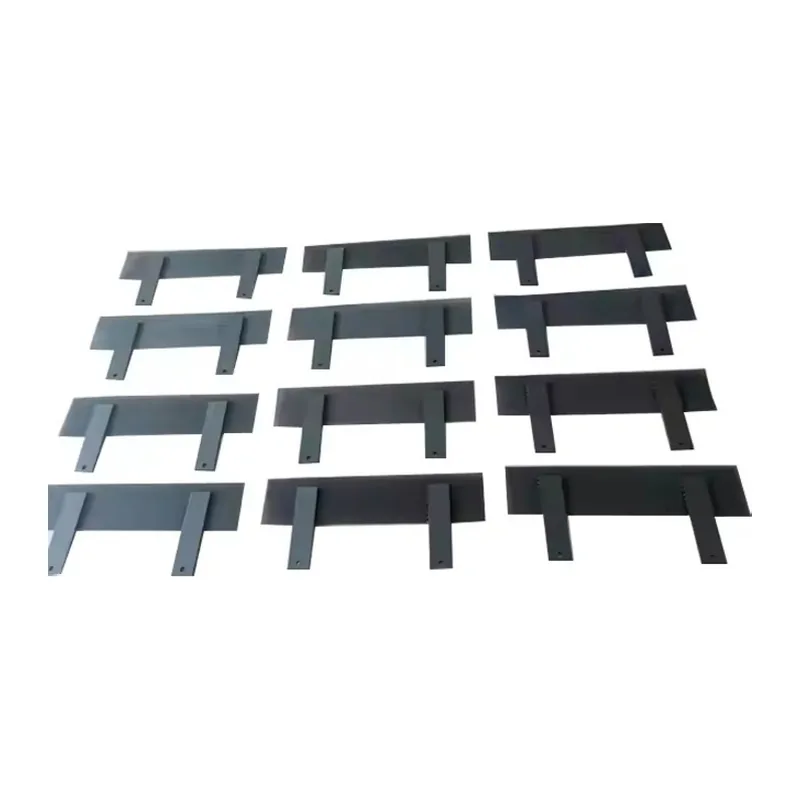
1. Cathode Function in NaOCl Generators
In a sodium hypochlorite generator, the cathode is where reduction occurs: water is reduced to hydrogen gas and hydroxide ions. The hydroxide ions combine with dissolved chlorine to form hypochlorite. The cathode also influences:
- Cell voltage: Cathode material and surface condition affect the overpotential for hydrogen evolution.
- Brine quality: Corroding cathode materials can introduce contaminants (iron, nickel) into the brine.
- Scale formation: Cathode surface chemistry affects calcium and magnesium deposition.
- Anode service life: Cathode corrosion products can poison the anode coating.
2. Cathode Material Selection
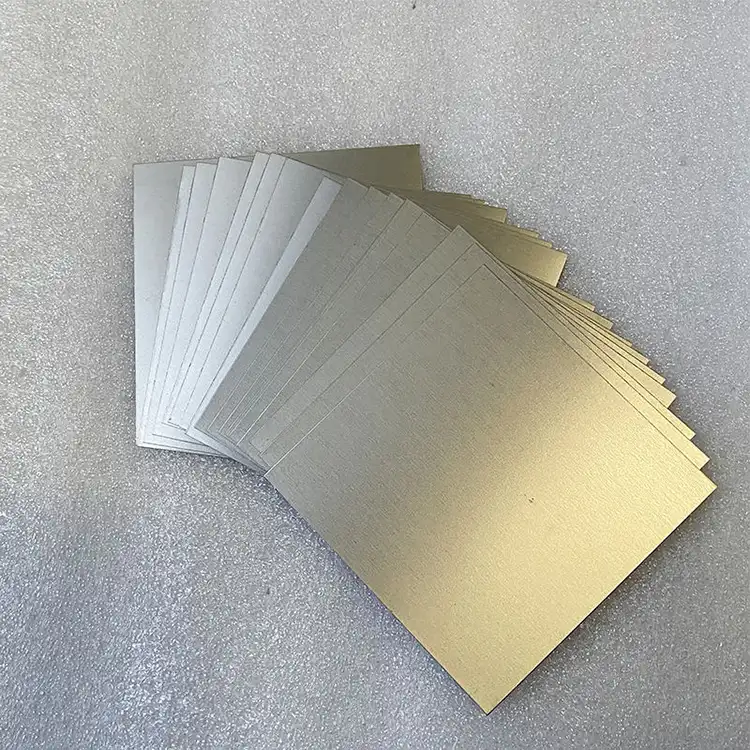
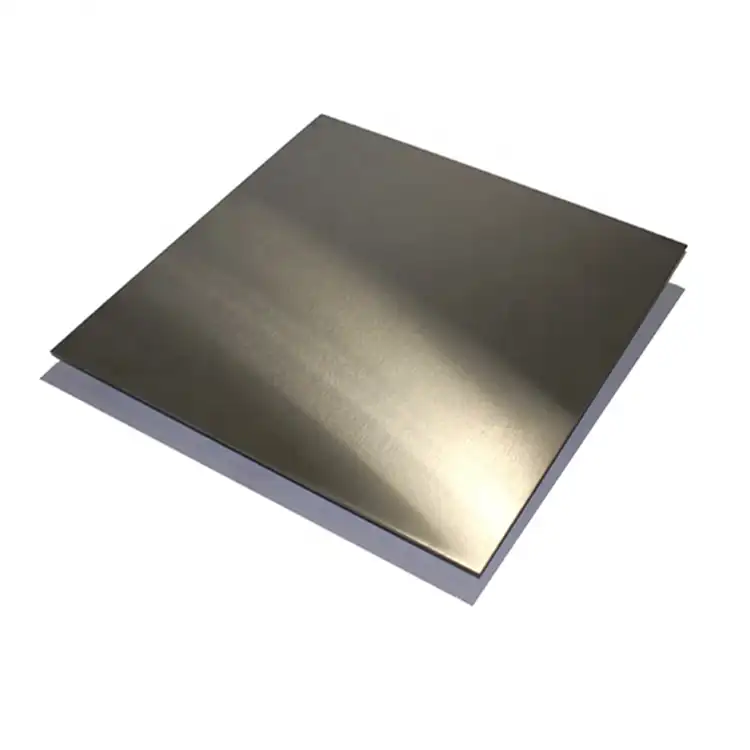
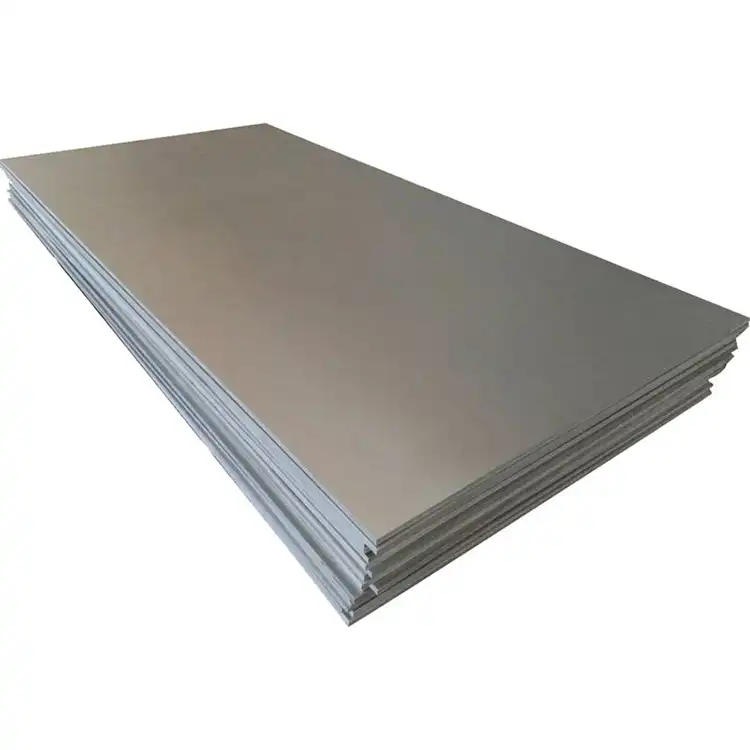
Titanium (Recommended)
- Advantages: Excellent corrosion resistance, no contamination of brine, compatible with MMO anodes, long service life.
- Grade: TA1 (commercially pure titanium) is the standard grade for cathode applications.
- Surface: Can be used as-received or with light surface treatment for improved hydrogen evolution.
- Disadvantages: Higher cost than steel alternatives.
Carbon Steel (Not Recommended)
- Advantages: Low cost, good electrical conductivity.
- Disadvantages: Corrodes in brine, contaminates product, introduces iron into the hypochlorite solution, shortens anode life, requires frequent replacement.
- Conclusion: Not recommended for industrial NaOCl generators, especially for drinking water applications.
Stainless Steel (Limited Use)
- Advantages: Better corrosion resistance than carbon steel, moderate cost.
- Disadvantages: Can still corrode in chloride environments, may introduce chromium/nickel contamination, not as durable as titanium.
- Conclusion: Acceptable for non-critical applications but titanium is preferred for drinking water systems.
3. Cathode Plate Specifications
| Parameter | Recommendation | Notes |
|---|---|---|
| Material | TA1 pure titanium | Best corrosion resistance and compatibility |
| Thickness | 2.0–3.0 mm | Greater mechanical strength than anode plates |
| Dimensions | Slightly larger than anode | Ensures uniform electric field distribution |
| Surface | As-received or lightly treated | Smooth surface reduces scale adhesion |
| Inter-electrode gap | 2–4 mm | Balance between efficiency and short-circuit risk |
4. Cathode-Anode Matching
Proper cathode-anode matching is essential for system performance:
- Size matching: Cathode should be slightly larger than the anode to ensure the electric field covers the entire anode surface.
- Alignment: Plates must be precisely aligned to maintain uniform gap and prevent short circuits.
- Quantity matching: In multi-cell configurations, cathode and anode quantities must be balanced for uniform current distribution.
- Material compatibility: Titanium cathode is fully compatible with Ru-Ir MMO anode, avoiding galvanic corrosion issues.
5. Scale Formation on Cathodes
Scale (calcium and magnesium deposits) on cathodes is a common operational challenge:
- Cause: Hard water minerals precipitate on the cathode surface during electrolysis.
- Effect: Scale increases cell voltage, reduces efficiency, and can bridge the electrode gap causing short circuits.
- Prevention: Water softening, pH control, and regular acid cleaning.
- Cleaning: Periodic acid wash (5–10% HCl or citric acid) to dissolve scale deposits.
- Design consideration: Smooth cathode surfaces reduce scale adhesion; some designs use periodic polarity reversal to prevent scale buildup.
6. Cathode Maintenance and Replacement
- Inspection frequency: Visual inspection monthly; detailed inspection quarterly.
- Replacement indicators: Visible corrosion, pitting, excessive scale buildup, or increased cell voltage.
- Service life: Titanium cathodes typically last 5–10 years under proper conditions. Steel cathodes may require replacement every 1–2 years.
- Replacement cost: Titanium cathodes have higher upfront cost but lower total cost of ownership due to longer service life and reduced anode contamination.
7. Procurement Considerations
When ordering cathode plates:
- Specify material grade (TA1 pure titanium recommended).
- Provide dimensions matching your anode plates (slightly larger).
- Specify thickness (2.0–3.0 mm typical).
- Request MTC and dimensional inspection report.
- Confirm hole positions and sizes match your cell design.
- Consider ordering spare cathodes for maintenance.
Need Titanium Cathode Plates for Your NaOCl Generator?
HYTi supplies TA1 pure titanium cathode plates custom-manufactured to your drawings. We provide MTC, dimensional inspection, and factory-direct pricing. Contact us for a quotation.
References
https://www.astm.org/standards/b265.htm
https://www.iso.org/standard/72963.html
https://www.asminternational.org/