- English
- French
- German
- Portuguese
- Spanish
- Russian
- Japanese
- Korean
- Arabic
- Greek
- German
- Turkish
- Italian
- Danish
- Romanian
- Indonesian
- Czech
- Afrikaans
- Swedish
- Polish
- Basque
- Catalan
- Esperanto
- Hindi
- Lao
- Albanian
- Amharic
- Armenian
- Azerbaijani
- Belarusian
- Bengali
- Bosnian
- Bulgarian
- Cebuano
- Chichewa
- Corsican
- Croatian
- Dutch
- Estonian
- Filipino
- Finnish
- Frisian
- Galician
- Georgian
- Gujarati
- Haitian
- Hausa
- Hawaiian
- Hebrew
- Hmong
- Hungarian
- Icelandic
- Igbo
- Javanese
- Kannada
- Kazakh
- Khmer
- Kurdish
- Kyrgyz
- Latin
- Latvian
- Lithuanian
- Luxembou..
- Macedonian
- Malagasy
- Malay
- Malayalam
- Maltese
- Maori
- Marathi
- Mongolian
- Burmese
- Nepali
- Norwegian
- Pashto
- Persian
- Punjabi
- Serbian
- Sesotho
- Sinhala
- Slovak
- Slovenian
- Somali
- Samoan
- Scots Gaelic
- Shona
- Sindhi
- Sundanese
- Swahili
- Tajik
- Tamil
- Telugu
- Thai
- Ukrainian
- Urdu
- Uzbek
- Vietnamese
- Welsh
- Xhosa
- Yiddish
- Yoruba
- Zulu
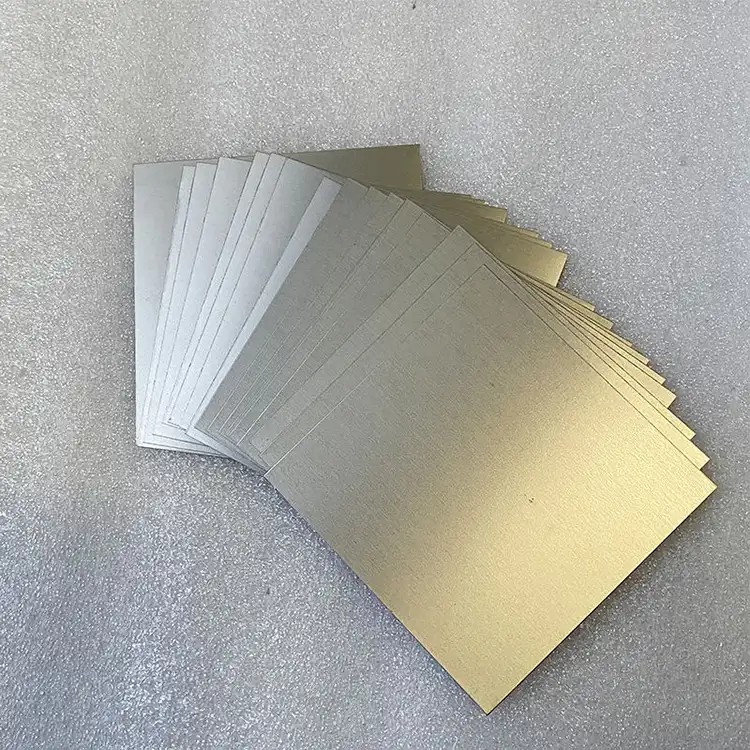
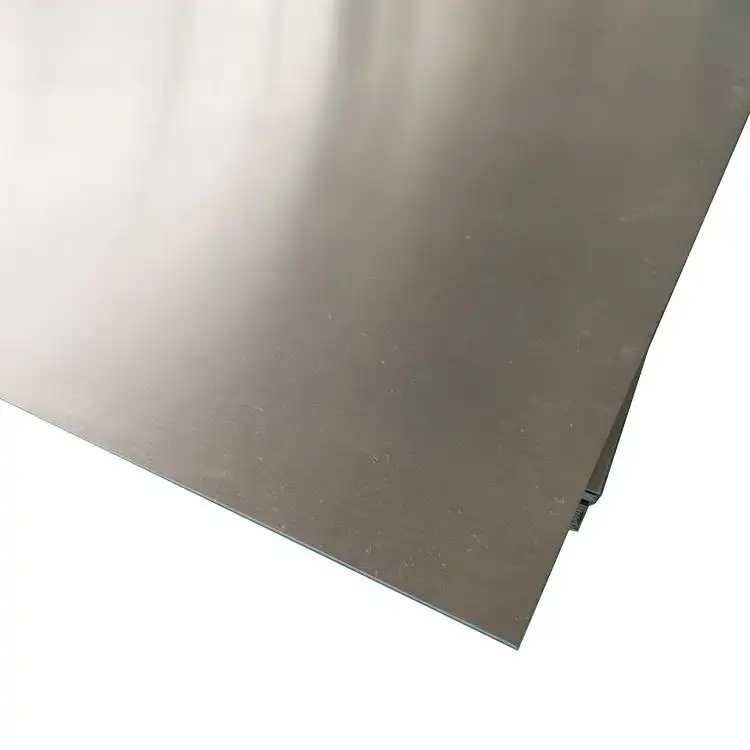
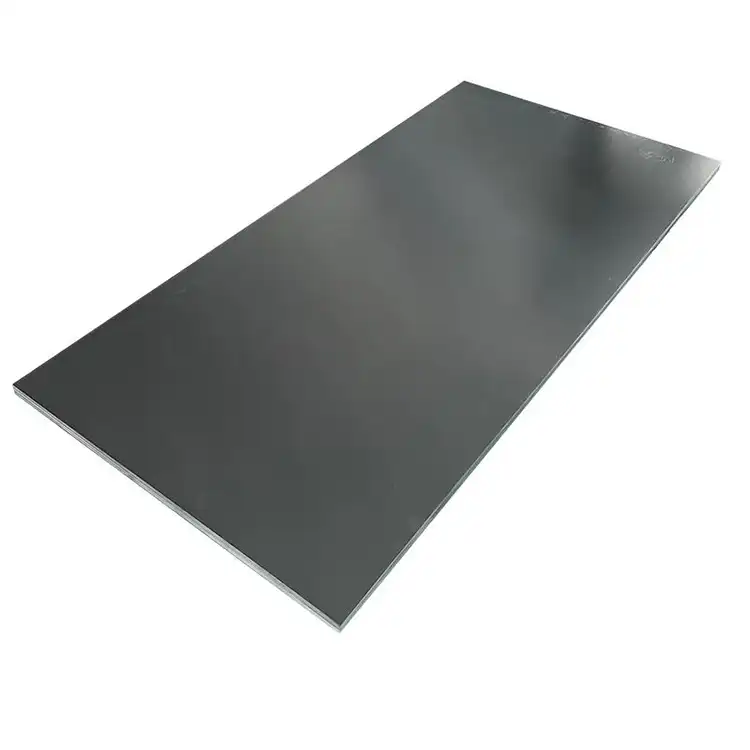
Sodium hypochlorite generator titanium anode plate
Coating: Ru-Ir mixed metal oxide
Current Density: 500–5000 A/m²
Temperature Range: 5°C to 40°C
NaCl Concentration: 20–50 g/L
Available Chlorine Yield: ≥90%
Design Life: ≥8 years
Application: Sodium hypochlorite generation systems
What Is Sodium Hypochlorite Generator Titanium Anode Plate and How to Choose the Right One for Your Industry?
A Ru+Ir Coated Titanium Electrode is a high-performance insoluble anode specifically designed for sodium hypochlorite generation systems. The electrode consists of a Grade 1 or Grade 2 titanium substrate coated with a precious metal oxide layer containing ruthenium (Ru) and iridium (Ir). This advanced coating provides excellent catalytic activity, low chlorine evolution potential, superior corrosion resistance, and long operational life in chloride-containing electrolytes.
In sodium hypochlorite generators, Ru+Ir coated titanium electrodes convert diluted saltwater into sodium hypochlorite through electrolysis. The generated sodium hypochlorite serves as an effective disinfectant for water treatment, swimming pools, hospitals, cooling towers, municipal water systems, aquaculture, food processing facilities, and industrial sanitation applications.
Choosing the right Ru+Ir coated titanium electrode requires evaluating several key factors. Buyers should consider coating composition, coating loading, current density requirements, electrolyte concentration, operating temperature, electrode dimensions, service life expectations, and installation configuration. A properly designed electrode improves chlorine generation efficiency, reduces energy consumption, minimizes maintenance costs, and extends equipment lifespan.
HY Ti-Ni Import & Export manufactures customized Ru+Ir coated titanium electrodes for sodium hypochlorite generation systems worldwide. Our products deliver stable performance, high current efficiency, and reliable operation under continuous industrial conditions.
 |
 |
 |
 |
Features of Sodium Hypochlorite Generator Titanium Anode Plate
Superior Corrosion Resistance、Ultra-Long Service Life、High Electrocatalytic Activity & Efficiency、Eco-Friendly、Low Maintenance




Full Customization Solutions to Meet Your Specific Needs!
Customization Available (Size, Material, Coating, Shape, Lifespan & Installation)

Sodium hypochlorite generator titanium anode plate can be fully customized according to industrial requirements:
HY Ti-Ni Import & Export provides comprehensive customization services for Ru+Ir coated titanium electrodes:
- Titanium substrate grades: Grade 1, Grade 2, Grade 7.
- Coating systems: Ru-Ir, Ru-Ir-Ti, Ru-Ir-Ta formulations.
- Coating loading: 6–20 g/m² available.
- Shapes: Plate, mesh, tube, rod, ribbon, disc.
- Thickness range: 0.5–10 mm.
- Width and length customized upon request.
- Single-sided or double-sided coating.
- Current density optimization for specific applications.
- Chlorine production capacity customization.
- Seawater or brine operation designs.
- Long-life coating formulations available.
- Special mounting hole and connector designs.
- OEM branding and packaging support.
- Custom voltage and power specifications.
- Complete electrode assemblies available.
Why Choose Titanium Anode from HY Ti-Ni Import & Export?
At Hengyi Ti-Ni Import Export, we specialize in titanium-based electrochemical materials with strong engineering capability in anode system design.

HY Ti-Ni Import & Export is a professional supplier of Ru+Ir coated titanium electrodes for sodium hypochlorite generation systems. Located in Baoji, China's titanium industry center, we combine advanced coating technology, strict quality control, and extensive manufacturing experience.
We use premium titanium substrates and precisely controlled thermal decomposition coating processes to ensure excellent coating adhesion and long service life. Every electrode undergoes dimensional inspection, coating thickness verification, adhesion testing, and electrochemical performance evaluation before shipment.
Our engineering team provides customized solutions based on customer operating conditions. We support OEM and ODM manufacturing, rapid production schedules, technical consultation, and after-sales support. With reliable quality, competitive pricing, and worldwide export experience, HY Ti-Ni Import & Export helps customers achieve efficient and cost-effective sodium hypochlorite production.
Titanium Anode Purchase Guide: A Comprehensive Guide
Selecting the right Ru+Ir coated titanium electrode is essential for achieving efficient sodium hypochlorite production, low energy consumption, and long service life. Before purchasing, first determine the required sodium hypochlorite output capacity of your system. Higher production capacities require larger active electrode areas and higher current-carrying capabilities.
Next, evaluate the operating conditions, including electrolyte concentration, temperature, current density, and operating hours. These factors directly affect coating performance and electrode lifespan. Choosing the proper coating loading (typically 6–20 g/m²) helps ensure stable chlorine generation and optimal durability.
The titanium substrate quality is equally important. Grade 1 and Grade 2 titanium are commonly used due to their excellent corrosion resistance and mechanical strength. Buyers should also consider electrode shape and installation requirements, such as plate, mesh, rod, or tubular designs.
When comparing suppliers, request coating adhesion reports, dimensional inspection records, electrochemical testing data, and expected service-life information. Reliable manufacturers should provide technical support and customization services based on your specific operating conditions.
Finally, consider the total lifecycle cost rather than only the initial purchase price. High-quality Ru+Ir coated titanium electrodes typically offer lower maintenance costs, reduced downtime, improved current efficiency, and longer operating life, resulting in greater long-term value and more reliable sodium hypochlorite generation performance.
Purchase Guide
1. What is a Sodium hypochlorite generator titanium anode plate? |
Products Introduction

What Is Sodium hypochlorite generator titanium anode plate?
A Ru+Ir coated titanium electrode is an insoluble anode used in electrolytic sodium hypochlorite production equipment. The titanium substrate provides mechanical strength and corrosion resistance, while the ruthenium-iridium oxide coating acts as a highly active catalytic layer for chlorine evolution reactions.
When electric current passes through a saltwater solution, chloride ions are converted into chlorine gas at the anode surface. The chlorine reacts with water and sodium hydroxide to form sodium hypochlorite. Due to its high catalytic efficiency, low operating voltage, and excellent durability, the Ru+Ir coated titanium electrode has become the preferred anode material for modern sodium hypochlorite generation systems. It offers stable performance, reduced power consumption, extended service life, and consistent disinfectant production.
Main Technical Parameters
| Parameter | Specification |
|---|---|
| Substrate Material | ASTM B265 Grade 1 / Grade 2 Titanium |
| Coating Type | RuO₂ + IrO₂ |
| Coating Loading | 6–20 g/m² |
| Coating Thickness | 5–15 μm |
| Current Density | 500–3000 A/m² |
| Operating Voltage | 2.8–4.5 V |
| Chlorine Evolution Efficiency | ≥95% |
| Operating Temperature | 5–80°C |
| Salt Concentration | 20–50 g/L NaCl |
| Service Life | 3–10 Years |
Specifications
| Item | Standard Range |
| Plate Thickness | 0.5–10 mm |
| Plate Width | 50–1500 mm |
| Plate Length | 100–3000 mm |
| Mesh Thickness | 0.5–3 mm |
| Mesh Opening | 2×4 mm – 10×20 mm |
| Rod Diameter | 3–50 mm |
| Tube Diameter | 10–200 mm |
| Surface Finish | Pickled / Sandblasted |
| Coating Side | Single or Double |
Cerrent output of Standard
| Electrode Size (mm) | Active Area (m²) | Current Capacity (A) |
| 100 × 200 | 0.02 | 10–60 |
| 200 × 300 | 0.06 | 30–180 |
| 300 × 500 | 0.15 | 75–450 |
| 500 × 1000 | 0.50 | 250–1500 |
| 1000 × 1000 | 1.00 | 500–3000 |
| Customized | Customized | Customized |
Applications of MMO Titanium Anode
Be used in a wide range of industries.
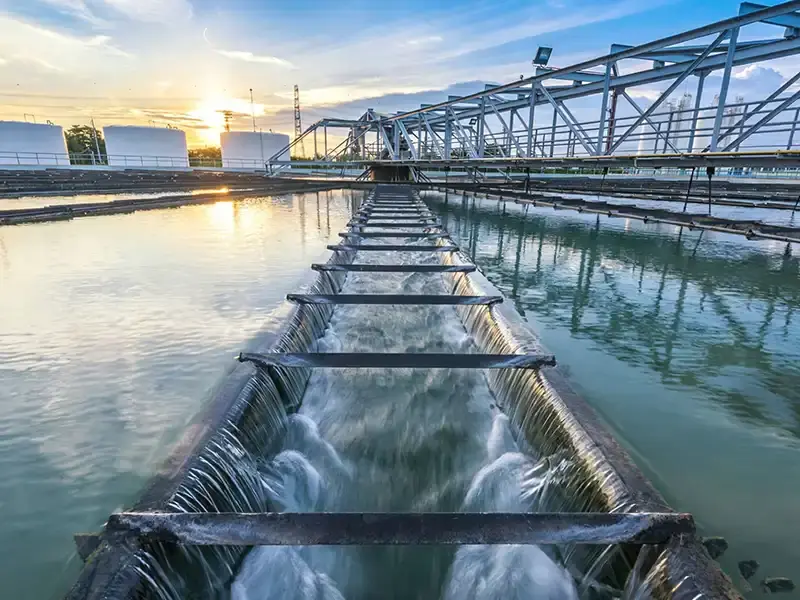
Water Treatment Industry
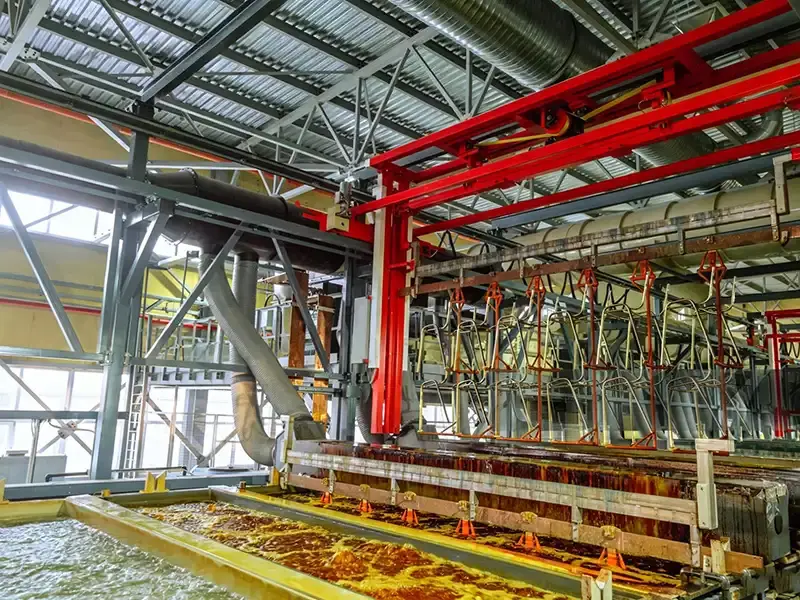
Electroplating Industry
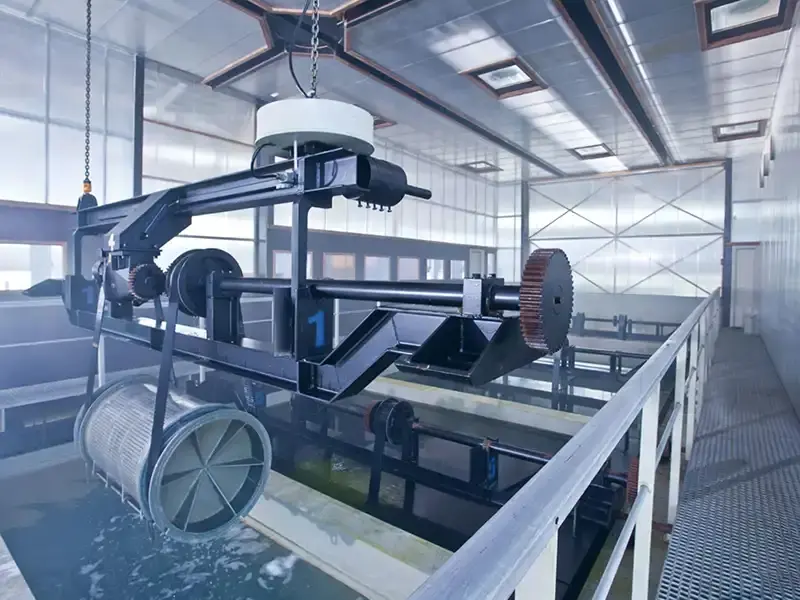
Chlor-Alkali Industry
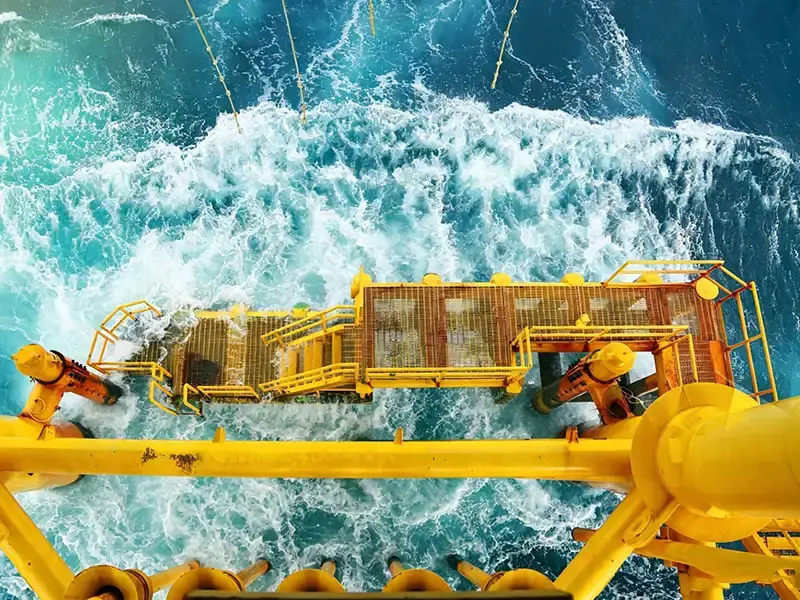
Marine Engineering
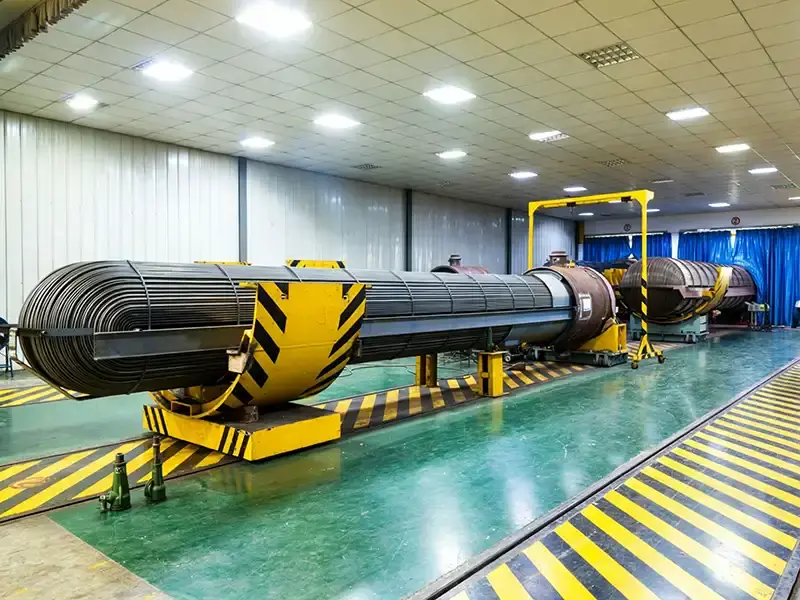
Hydrogen Energy Industry
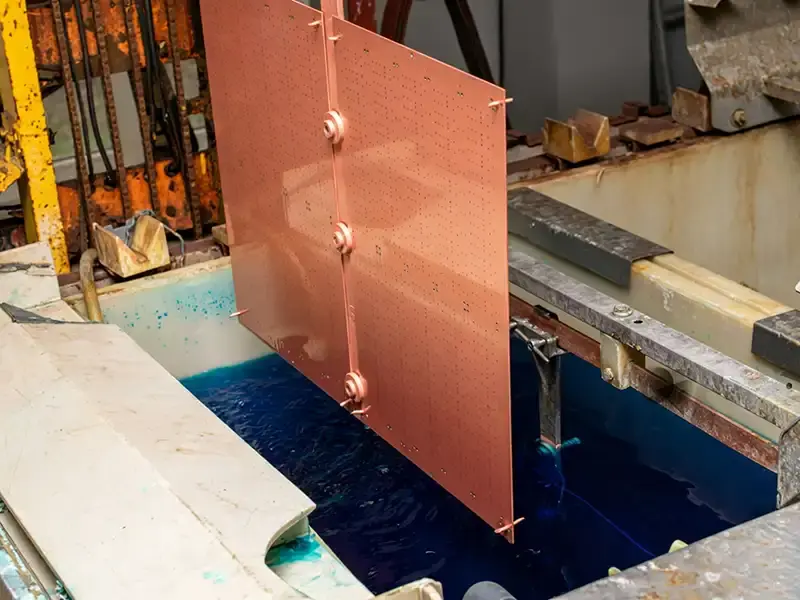
Mining and Metal Recovery
How to Purchase the Suitable Titanium Anode
Selecting the correct Ru+Ir coated titanium electrode requires careful evaluation of operating conditions and performance requirements.
- Determine sodium hypochlorite production capacity.
- Confirm operating current and voltage.
- Identify electrolyte composition and salt concentration.
- Evaluate installation space limitations.
- Select appropriate electrode geometry.
- Specify titanium substrate grade.
- Choose coating loading according to lifespan requirements.
- Consider operating temperature range.
- Verify required chlorine generation efficiency.
- Review expected maintenance intervals.
- Request coating adhesion and quality reports.
- Confirm service life expectations.
- Evaluate supplier manufacturing experience.
- Check OEM and customization capabilities.
- Request technical consultation before ordering.
Working closely with an experienced manufacturer ensures optimal electrode performance, longer service life, lower operating costs, and improved system efficiency.

FAQ
Q1: What coating is used on these electrodes?
A: The coating consists primarily of ruthenium oxide and iridium oxide mixed metal oxides.
Q2: What is the expected service life?
A: Typical service life ranges from 3 to 10 years depending on operating conditions.
Q3: Can customized dimensions be manufactured?
A: Yes. HY Ti-Ni Import & Export provides fully customized sizes and configurations.
Q4: What titanium grade is commonly used?
A: Grade 1 and Grade 2 titanium are the most widely used substrates.
Q5: Are OEM services available?
A: Yes. We support OEM branding, packaging, and customized engineering designs.
Q6: Can the electrodes operate in seawater?
A: Yes. Special coating formulations are available for seawater electrolysis applications.
Q7: What quality inspections are performed?
A: Coating thickness, adhesion, dimensions, electrochemical performance, and visual inspections.
Q8: What industries commonly use these electrodes?
A: Water treatment, chlor-alkali production, electroplating, chemical processing, aquaculture, and disinfection industries.
Our Factory
Production site
State-of-the-art manufacturing for titanium anodes, precision coating and quality control.

Choseing titanium substrate
|

Substrate Cutting
|

Sandblasting
|

Pickling
|

Laser Cutting Configure Precious
Metal
|

Coating
|

Sintering
|

Packaging
|
Workshop
Precision machining and coating workshop for titanium anodes.

Titanium anode coating workshop
|

Thermal decomposition sintering furnace workshop
|

Titanium mesh anode production area
|

Pickling/surface treatment process
|

Pickling/surface treatment process
|

Quality inspection workshop
|

Worker operation photos
|

Panoramic view of a clean production line
|
Quality inspection
Rigorous testing for coating adhesion, electrochemical performance, and durability.

Dimension Inspection
|

Coating Thickness Testing
|

Coating Adhesion Testing
|

Microstructure Analysis
|

Conductivity Testing
|

Corrosion Resistance Testing
|

Bond Strength Testing
|

Final Inspection & Packaging
|
Packaging
Professional packaging to prevent damage and corrosion during transportation.
 |
 |
 |
 |
 |
 |
 |
 |
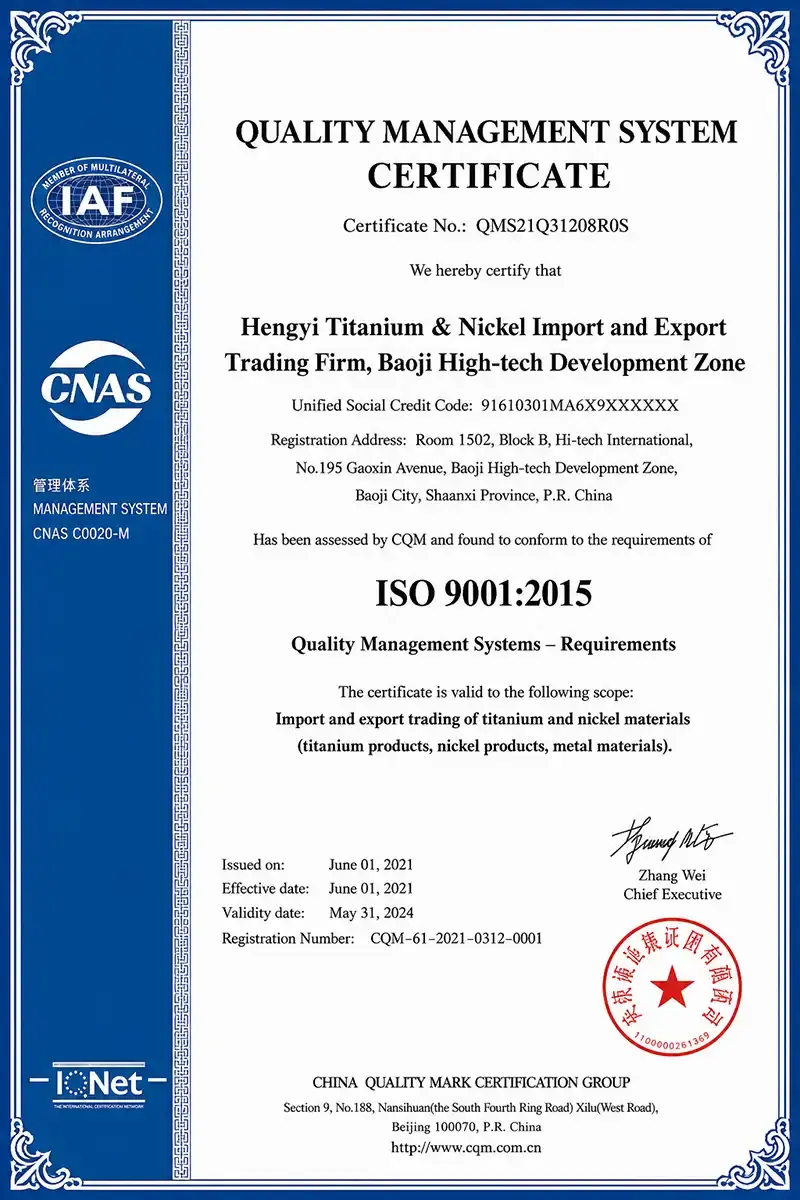
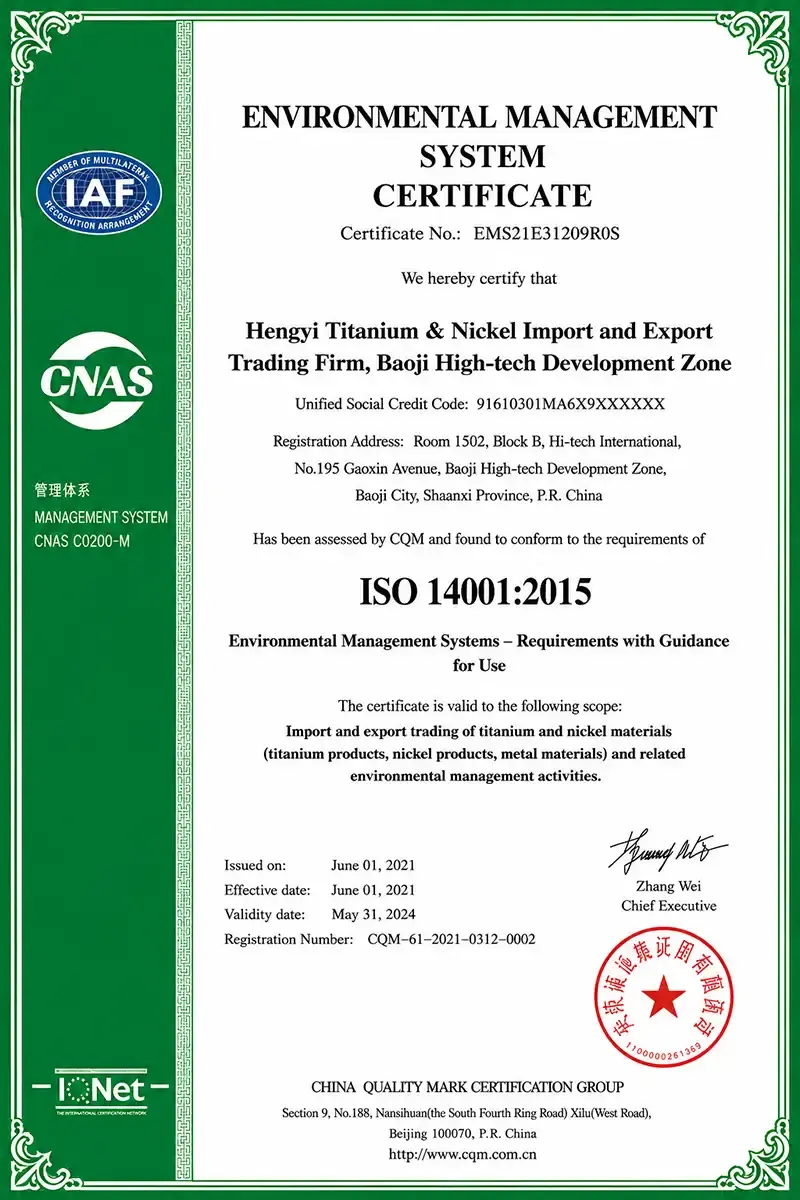
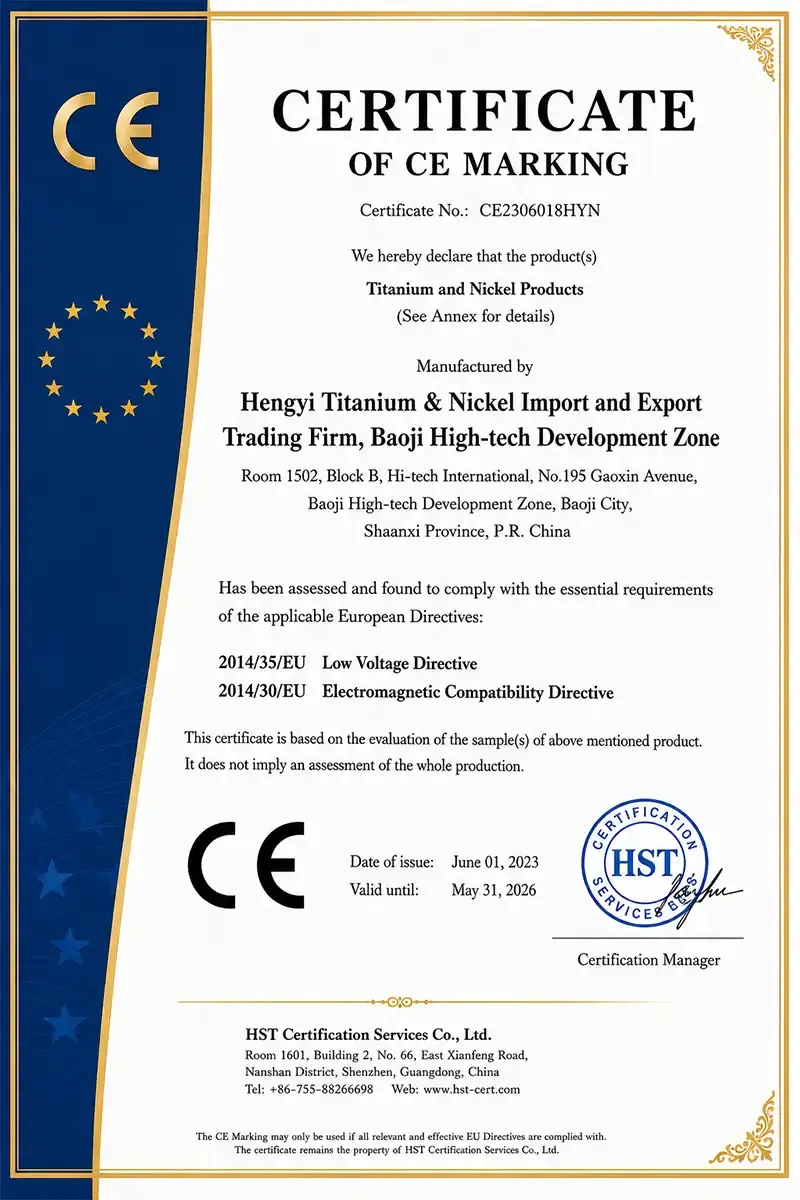
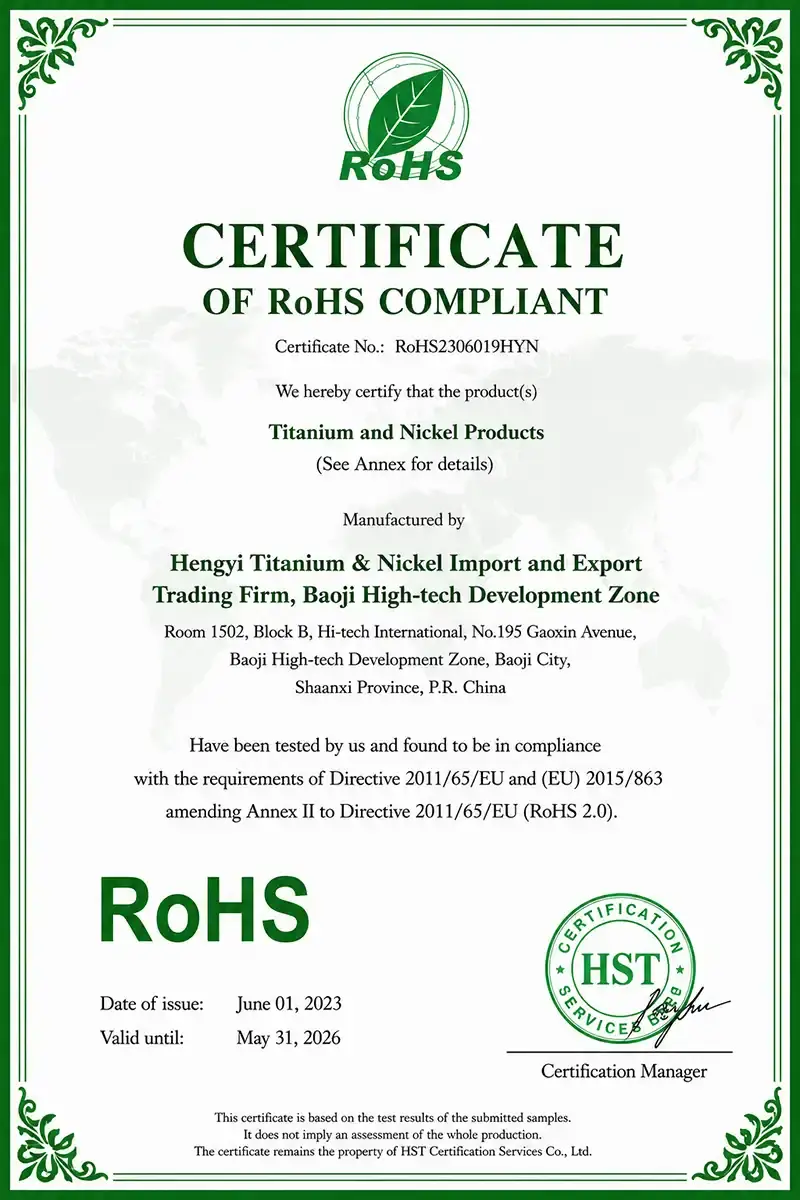
Certifications
International certifications ensuring quality and environmental compliance.
_1781682682046.jpg)
Learn about our latest products and discounts through SMS or email