- English
- French
- German
- Portuguese
- Spanish
- Russian
- Japanese
- Korean
- Arabic
- Greek
- German
- Turkish
- Italian
- Danish
- Romanian
- Indonesian
- Czech
- Afrikaans
- Swedish
- Polish
- Basque
- Catalan
- Esperanto
- Hindi
- Lao
- Albanian
- Amharic
- Armenian
- Azerbaijani
- Belarusian
- Bengali
- Bosnian
- Bulgarian
- Cebuano
- Chichewa
- Corsican
- Croatian
- Dutch
- Estonian
- Filipino
- Finnish
- Frisian
- Galician
- Georgian
- Gujarati
- Haitian
- Hausa
- Hawaiian
- Hebrew
- Hmong
- Hungarian
- Icelandic
- Igbo
- Javanese
- Kannada
- Kazakh
- Khmer
- Kurdish
- Kyrgyz
- Latin
- Latvian
- Lithuanian
- Luxembou..
- Macedonian
- Malagasy
- Malay
- Malayalam
- Maltese
- Maori
- Marathi
- Mongolian
- Burmese
- Nepali
- Norwegian
- Pashto
- Persian
- Punjabi
- Serbian
- Sesotho
- Sinhala
- Slovak
- Slovenian
- Somali
- Samoan
- Scots Gaelic
- Shona
- Sindhi
- Sundanese
- Swahili
- Tajik
- Tamil
- Telugu
- Thai
- Ukrainian
- Urdu
- Uzbek
- Vietnamese
- Welsh
- Xhosa
- Yiddish
- Yoruba
- Zulu
Titanium anode for electronic water processor
Coating: Ru-Ir mixed metal oxide
Current Density: 100–1500 A/m²
Temperature Range: 5°C to 60°C
Coating Loading: 8–15 g/m²
Operating Voltage: 3–24 V DC
Design Life: ≥8 years
Application: Electronic water processor systems
What Is Titanium Anode for Electronic Water Processor and How to Choose the Right One for Your Industry?
Titanium anodes for electronic water processor systems are core electrochemical components designed to enable advanced water treatment, sterilization, and ion regulation through controlled electrolysis. These anodes are typically manufactured from high-purity titanium substrates combined with advanced catalytic coatings such as Ru+Ir coated titanium electrode or MMO coatings. They play a key role in generating reactive species like hypochlorous acid, ozone precursors, or hydroxyl radicals depending on system design.
In electronic water processors, titanium anodes ensure stable electron transfer and consistent reaction efficiency, making them essential for residential, commercial, and industrial water purification systems. Compared with traditional electrodes, they provide significantly higher corrosion resistance, longer operational life, and stable output under continuous operation. Their performance directly impacts water quality, disinfection efficiency, and energy consumption.
Choosing the right titanium anode requires understanding application goals such as sterilization intensity, flow rate, and water conductivity. Different industries including food processing, medical sterilization, aquaculture, and industrial water systems require different electrode structures such as mesh, plate, or tubular types. HY Ti-Ni Import & Export provides engineered solutions tailored to each system, ensuring high efficiency, durability, and stable electrochemical output.
 |
 |
 |
 |
Features of Titanium Anode for Electronic Water Processor
Superior Corrosion Resistance、Ultra-Long Service Life、High Electrocatalytic Activity & Efficiency、Eco-Friendly、Low Maintenance





Full Customization Solutions to Meet Your Specific Needs!
Customization Available (Size, Material, Coating, Shape, Lifespan & Installation)

Titanium anode for electronic water processor can be fully customized according to industrial requirements:
- Custom dimensions for electronic water processor systems
- Titanium Gr1 / Gr2 base material selection
- Ru+Ir coated titanium electrode or MMO coating options
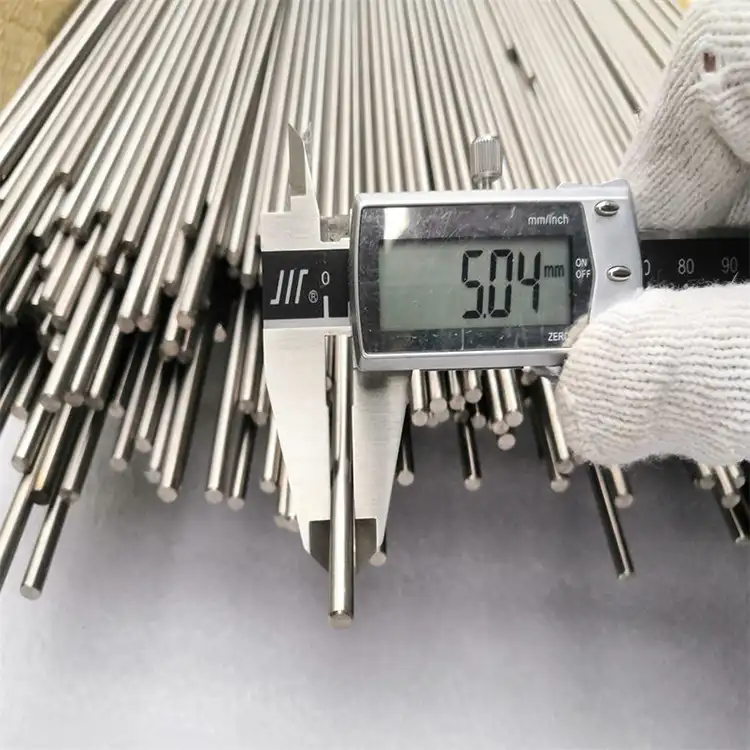
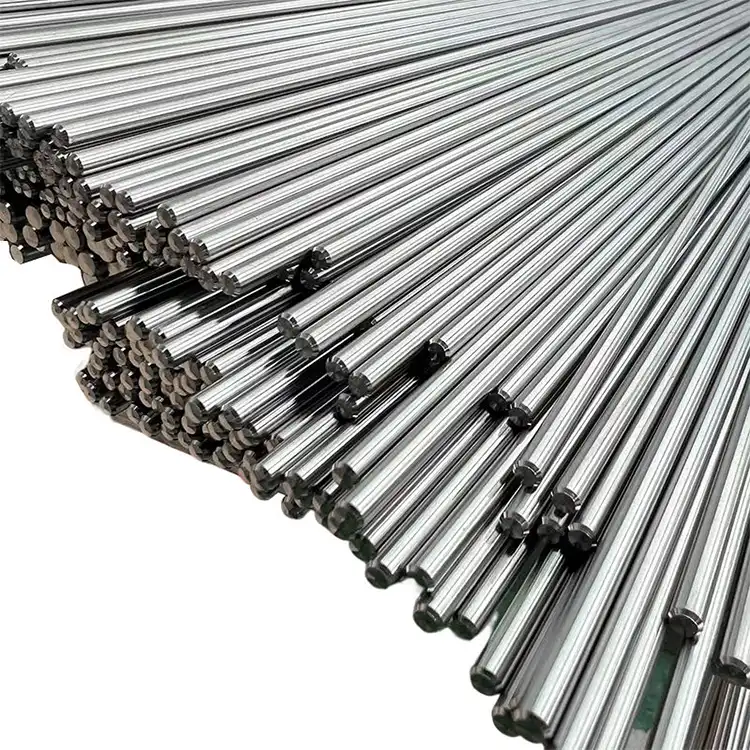
- Mesh, plate, rod, tubular, ribbon structures
- Adjustable catalytic coating loading
- Customized voltage and current density design
- Long-life coatings up to 30+ years
- OEM/ODM support for device integration
- Tailored flow and reactor compatibility design
Why Choose Titanium Anode from HY Ti-Ni Import & Export?
At Hengyi Ti-Ni Import Export, we specialize in titanium-based electrochemical materials with strong engineering capability in anode system design.

- Based in Baoji High-tech Industrial Zone, China
- Strong titanium industrial supply chain
- Advanced coating technology and precision manufacturing
- Strict quality inspection at every production stage
- Stable performance under continuous electrolysis
- OEM/ODM customization for global clients
- Reliable engineering and technical support team
- Cost-effective solutions for industrial water systems
Titanium Anode Purchase Guide: A Comprehensive Guide
Selecting the correct titanium anode for electronic water processor applications requires careful analysis of system requirements. First, identify the intended use such as drinking water treatment, sterilization, or industrial purification. Different applications require different electrochemical intensities and electrode configurations.
Second, evaluate water conductivity and flow conditions, as these factors directly affect current efficiency and electrode lifespan. Low conductivity systems may require optimized Ru+Ir coated titanium electrode performance for stable output.
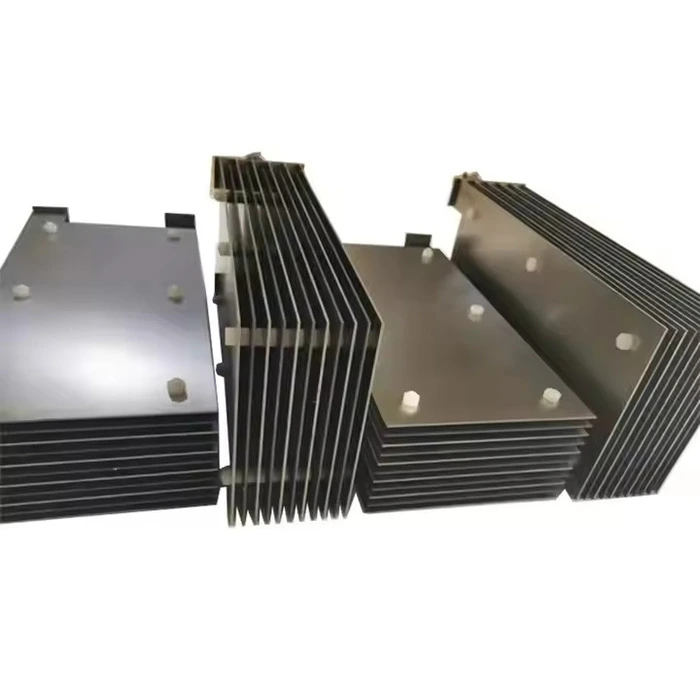
Third, choose the correct structure type. Mesh anodes are ideal for large surface contact, plate anodes suit compact systems, and tubular designs are preferred for flow-through reactors. Each structure affects reaction efficiency and energy consumption.
Fourth, confirm operating voltage and current density range to ensure compatibility with your power system. Finally, consider lifespan expectations, maintenance cycles, and environmental conditions such as temperature and pH level. HY Ti-Ni Import & Export provides technical consultation to help customers select the most efficient and durable solution for long-term operation.
Purchase Guide
1. What is a Titanium anode for electronic water processor? |
Products Introduction

What Is Titanium anode for electronic water processor?
Titanium anode for electronic water processor is an electrochemical electrode used to generate active ions and disinfect water through controlled electrolysis. It is widely used in water purification devices for residential, commercial, and industrial systems. The anode works by enabling electron transfer reactions on its surface, producing oxidizing agents that eliminate bacteria, viruses, and organic pollutants. With Ru+Ir coated titanium electrode technology, the system achieves high efficiency, long service life, and stable electrochemical performance under continuous operation.
Main Technical Parameters
| Parameter | Typical Range |
|---|---|
| Base Material | Titanium Gr1 / Gr2 |
| Coating Type | Ru+Ir coated titanium electrode / MMO |
| Current Density | 10 – 2000 A/m² |
| Operating Voltage | 1.0 – 5.0 V |
| pH Range | 2 – 12 |
| Temperature Range | -10°C to 80°C |
| Service Life | 10 – 30 years |
| Application Medium | Drinking / Industrial water |
Specifications
| Type | Structure | Application |
|---|---|---|
| Mesh Anode | Expanded mesh | Large water processors |
| Plate Anode | Flat design | Compact systems |
| Tubular Anode | Cylindrical | Flow reactors |
| Rod Anode | Linear | Small devices |
| Custom System | OEM design | Industrial integration |
Cerrent output of Standard
| Type | Current Output (mA/m²) | Application Condition |
|---|---|---|
| Standard System | 10 – 30 | Low contamination water |
| Medium Output | 30 – 60 | Domestic systems |
| High Output | 50 – 100 | Industrial purification |
| Continuous System | 20 – 80 | Long-term operation |
| Custom System | 100+ | High-load treatment |
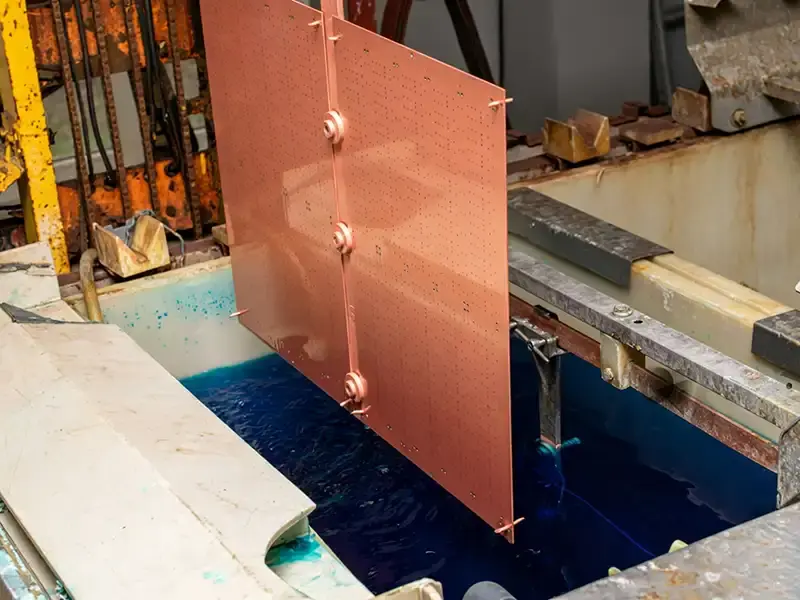
Applications of MMO Titanium Anode
Be used in a wide range of industries.
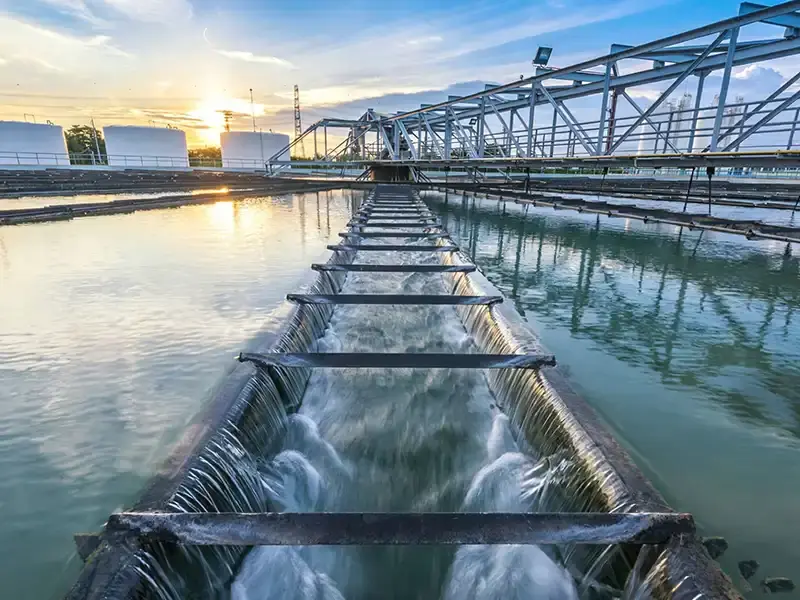
Water Treatment Industry
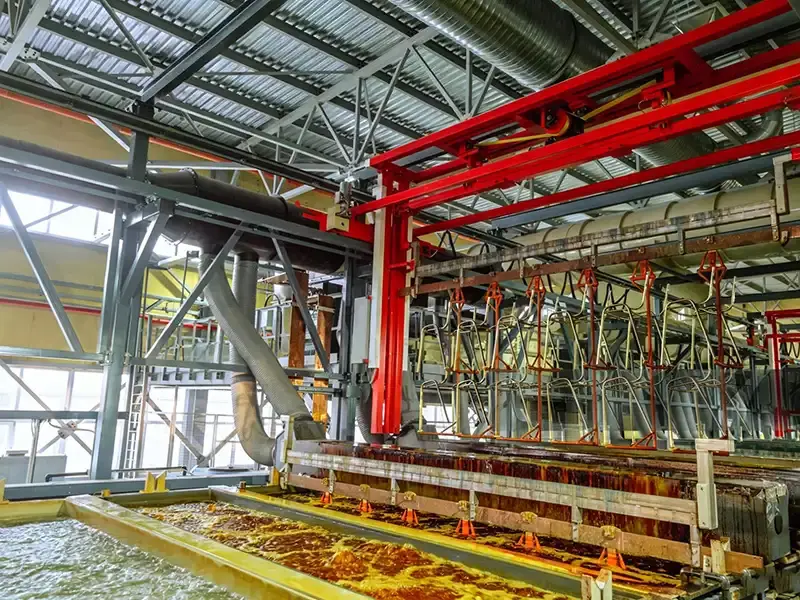
Electroplating Industry
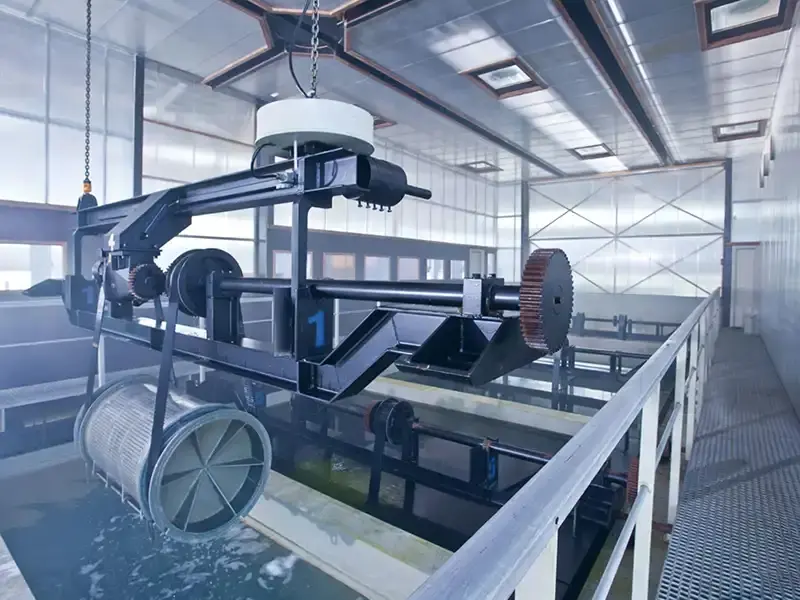
Chlor-Alkali Industry

Marine Engineering
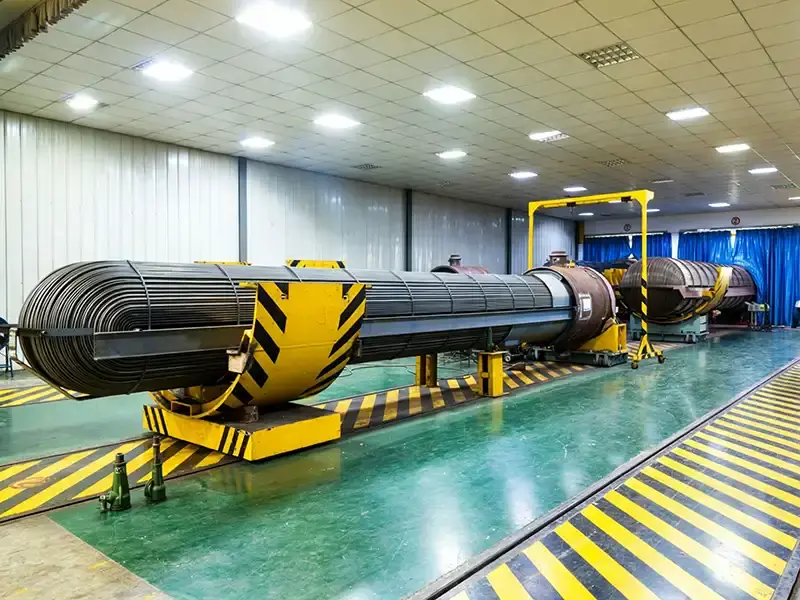
Hydrogen Energy Industry
Mining and Metal Recovery
How to Purchase the Suitable Titanium Anode
- Define application type (domestic or industrial use)
- Confirm water conductivity and flow rate
- Select appropriate structure (mesh, plate, tubular, rod)
- Choose coating type: Ru+Ir coated titanium electrode preferred for efficiency
- Verify voltage and current compatibility
- Determine required lifespan and maintenance cycle
- Provide system drawings if available
- Consult HY Ti-Ni Import & Export for technical optimization
FAQ
Q1: What is the main function of this anode?
It generates reactive ions for water purification and sterilization.
Q2: Is Ru+Ir coated titanium electrode necessary?
Yes, it improves efficiency and extends lifespan.
Q3: Can it be customized?
Yes, full OEM/ODM customization is available.
Q4: What industries use it?
Water treatment, food, medical, and industrial systems.
Q5: How long does it last?
Typically 10–30 years depending on usage conditions.
Our Factory
Production site
State-of-the-art manufacturing for titanium anodes, precision coating and quality control.

Choseing titanium substrate
|

Substrate Cutting
|

Sandblasting
|

Pickling
|

Laser Cutting Configure Precious
Metal
|

Coating
|

Sintering
|

Packaging
|
Workshop
Precision machining and coating workshop for titanium anodes.

Titanium anode coating workshop
|

Thermal decomposition sintering furnace workshop
|

Titanium mesh anode production area
|

Pickling/surface treatment process
|

Pickling/surface treatment process
|

Quality inspection workshop
|

Worker operation photos
|

Panoramic view of a clean production line
|
Quality inspection
Rigorous testing for coating adhesion, electrochemical performance, and durability.

Dimension Inspection
|

Coating Thickness Testing
|

Coating Adhesion Testing
|

Microstructure Analysis
|

Conductivity Testing
|

Corrosion Resistance Testing
|

Bond Strength Testing
|

Final Inspection & Packaging
|
Packaging
Professional packaging to prevent damage and corrosion during transportation.
 |
 |
 |
 |
 |
 |
 |
 |
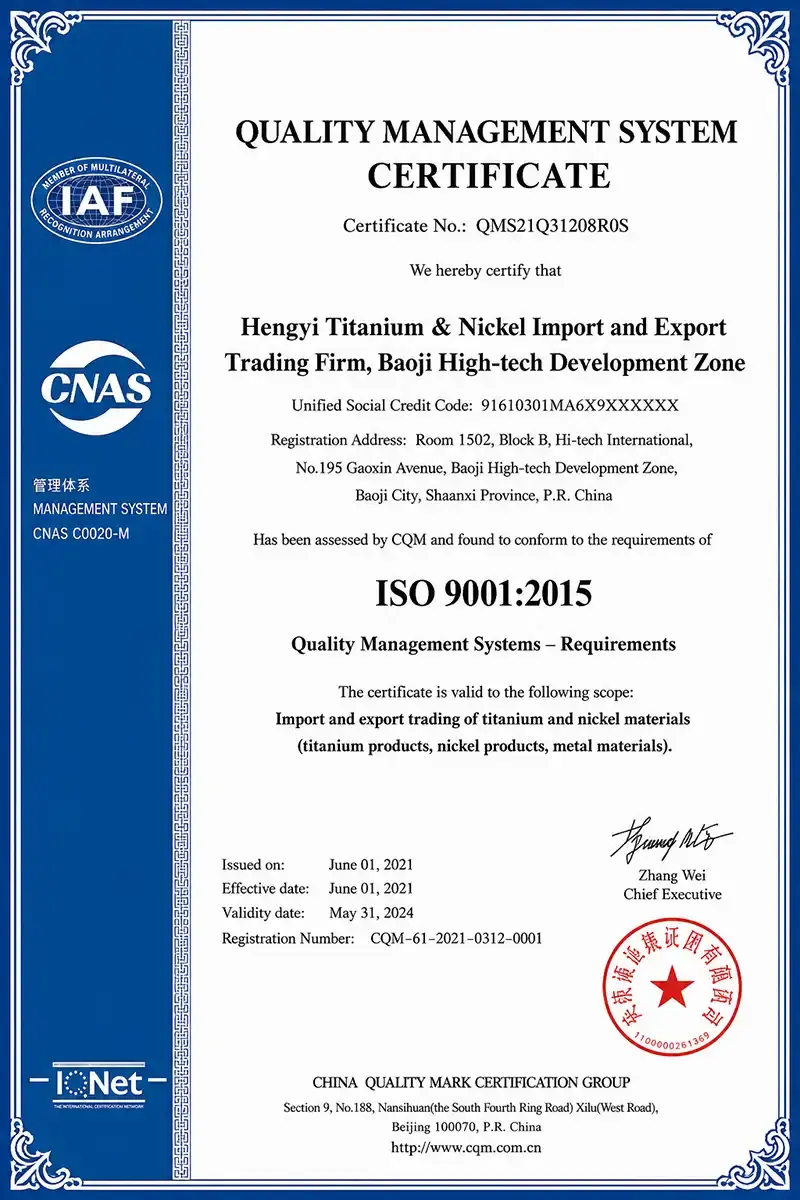
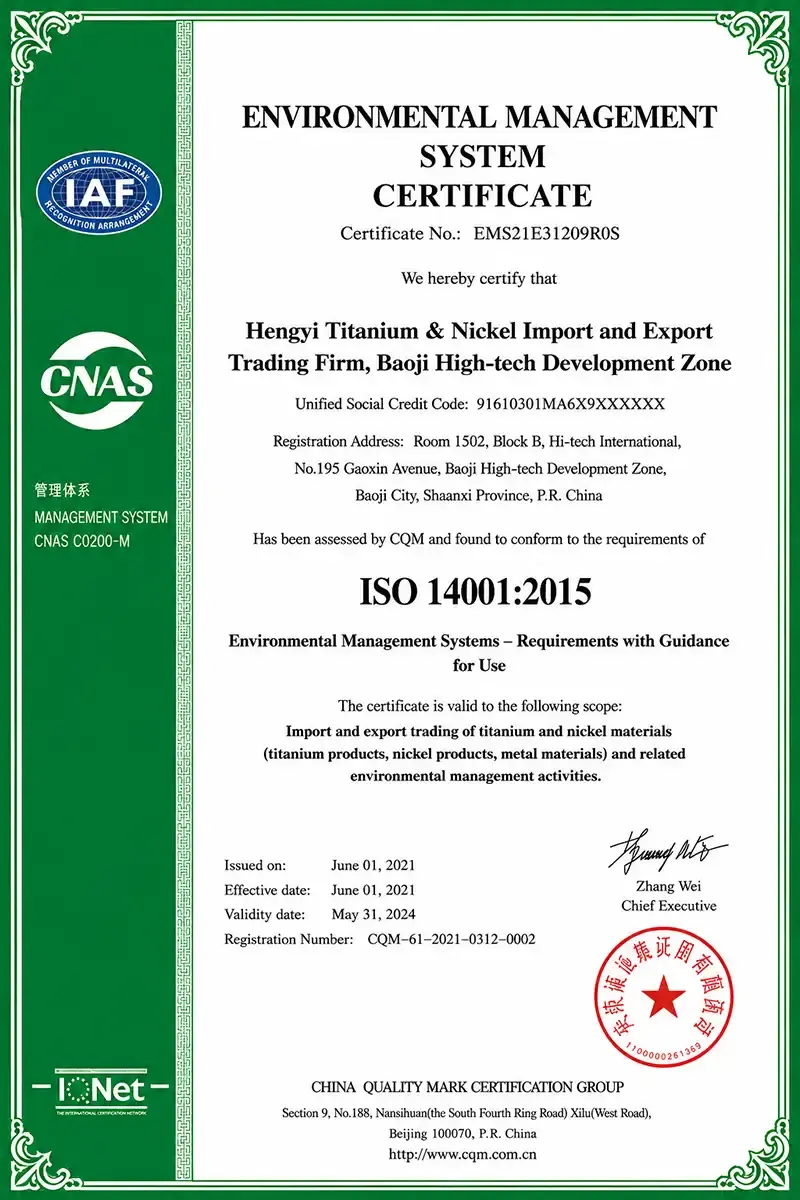
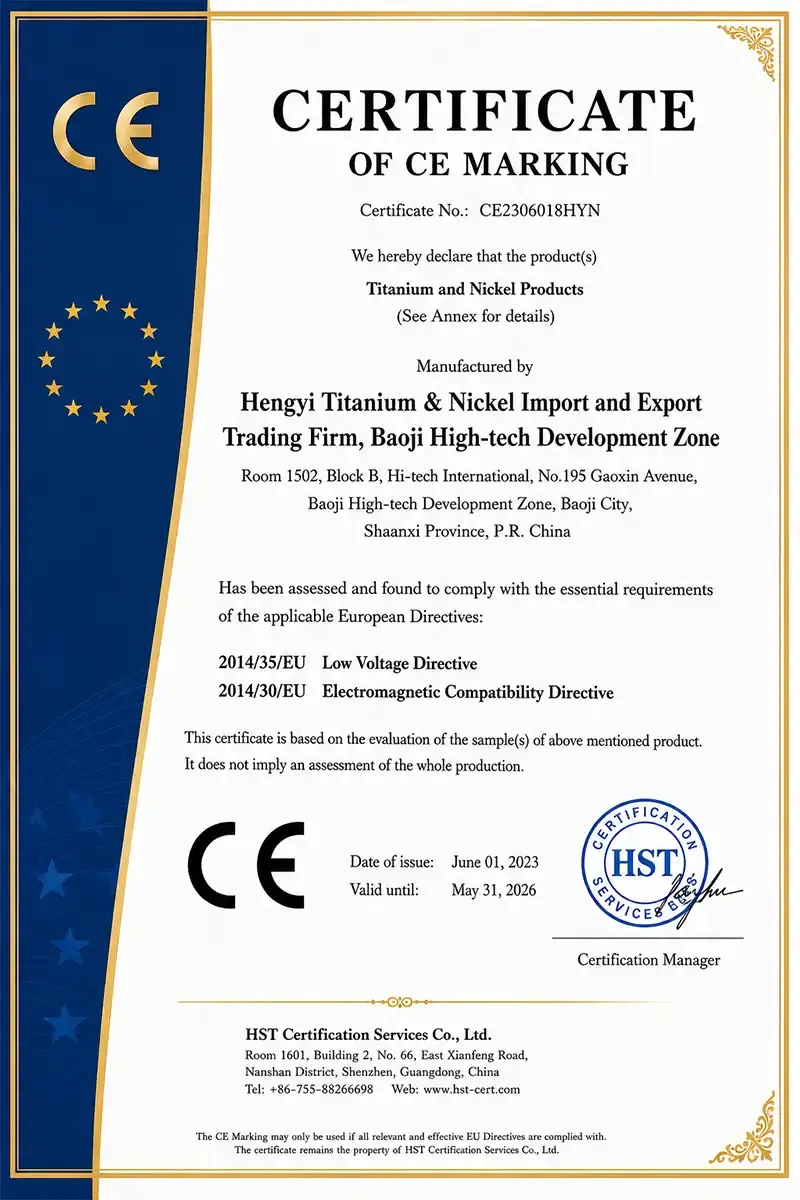
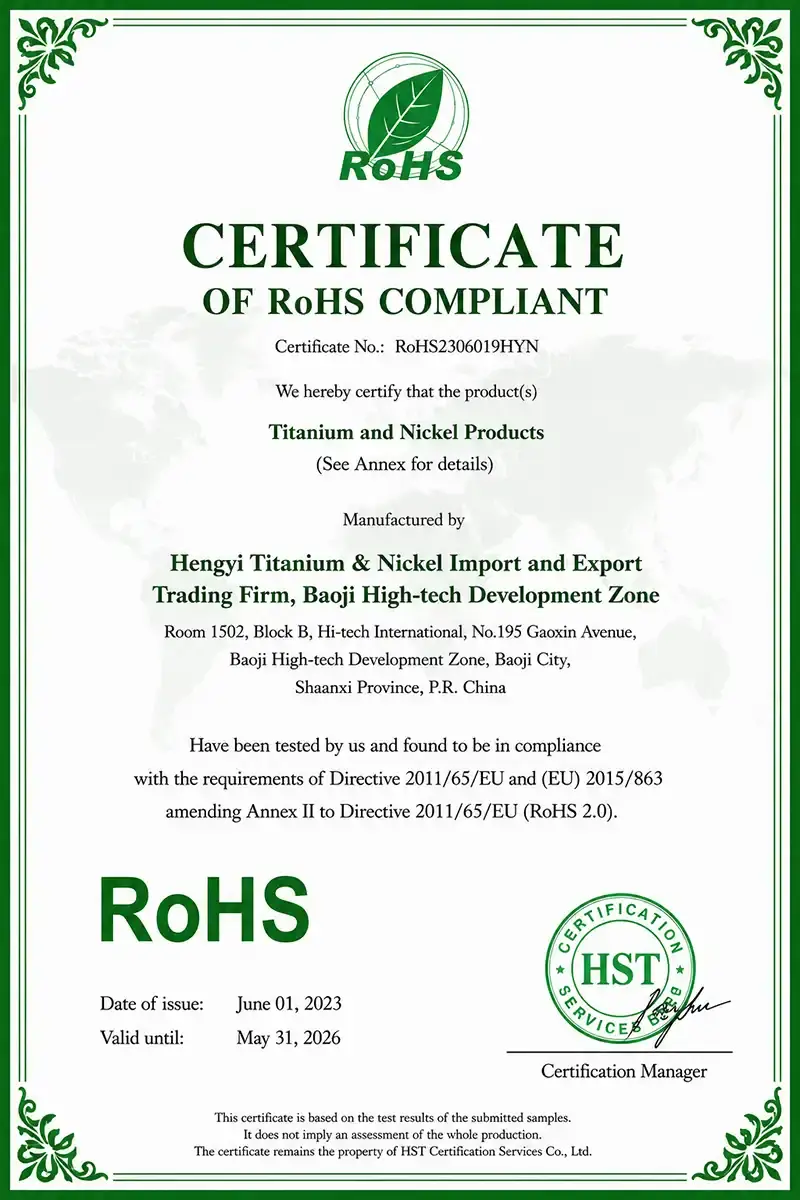
Certifications
International certifications ensuring quality and environmental compliance.
_1781322111934.jpg)
_1783042366273.webp)
Learn about our latest products and discounts through SMS or email