- English
- French
- German
- Portuguese
- Spanish
- Russian
- Japanese
- Korean
- Arabic
- Greek
- German
- Turkish
- Italian
- Danish
- Romanian
- Indonesian
- Czech
- Afrikaans
- Swedish
- Polish
- Basque
- Catalan
- Esperanto
- Hindi
- Lao
- Albanian
- Amharic
- Armenian
- Azerbaijani
- Belarusian
- Bengali
- Bosnian
- Bulgarian
- Cebuano
- Chichewa
- Corsican
- Croatian
- Dutch
- Estonian
- Filipino
- Finnish
- Frisian
- Galician
- Georgian
- Gujarati
- Haitian
- Hausa
- Hawaiian
- Hebrew
- Hmong
- Hungarian
- Icelandic
- Igbo
- Javanese
- Kannada
- Kazakh
- Khmer
- Kurdish
- Kyrgyz
- Latin
- Latvian
- Lithuanian
- Luxembou..
- Macedonian
- Malagasy
- Malay
- Malayalam
- Maltese
- Maori
- Marathi
- Mongolian
- Burmese
- Nepali
- Norwegian
- Pashto
- Persian
- Punjabi
- Serbian
- Sesotho
- Sinhala
- Slovak
- Slovenian
- Somali
- Samoan
- Scots Gaelic
- Shona
- Sindhi
- Sundanese
- Swahili
- Tajik
- Tamil
- Telugu
- Thai
- Ukrainian
- Urdu
- Uzbek
- Vietnamese
- Welsh
- Xhosa
- Yiddish
- Yoruba
- Zulu
Titanium Anode for Electrodeposition of Nickel
Coating: Ir-Ta mixed metal oxide
Current Density: 1000–6000 A/m²
Temperature Range: 45°C to 70°C
Nickel Concentration: 50–120 g/L
Current Efficiency: ≥95%
Design Life: ≥5 years
Application: Nickel electrowinning and electrodeposition systems
What Is Titanium Anode for Electrodeposition of Nickel and How to Choose the Right One for Your Industry?
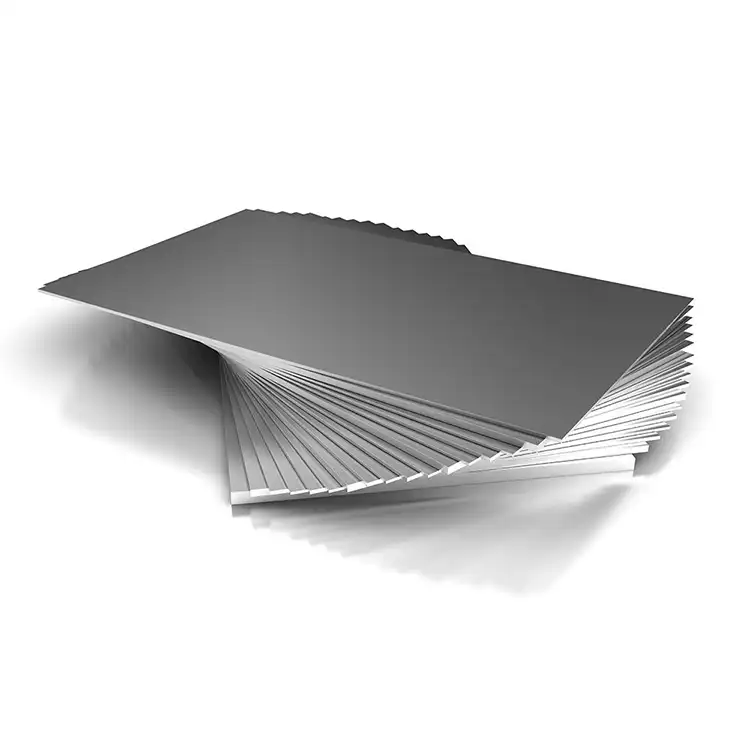
A Ru+Ir Coated Titanium Electrode for Electrodeposition of Nickel is a dimensionally stable insoluble anode widely used in modern nickel electroplating and electro-winning systems. It is manufactured by coating a high-purity titanium substrate with a ruthenium-iridium mixed metal oxide layer, which provides excellent electrocatalytic activity, superior corrosion resistance, and stable long-term performance in acidic nickel electrolyte environments.
In nickel electrodeposition processes, electrolyte stability and current efficiency are critical. Traditional anodes such as lead alloys often suffer from high energy consumption, sludge formation, and unstable plating quality. In contrast, the Ru+Ir coated titanium electrode ensures uniform current distribution, reduced cell voltage, and improved nickel deposition quality.
Choosing the right Ru+Ir coated titanium electrode for electrodeposition of nickel requires careful evaluation of electrolyte composition, nickel ion concentration, chloride content, operating temperature, and required production capacity. The electrode must also match the current density and tank design to ensure optimal efficiency and long service life.
Industries such as electroplating, battery materials, metal finishing, precision electronics, and industrial nickel refining widely adopt Ru+Ir coated titanium electrodes due to their high efficiency, energy-saving performance, and stable electrochemical behavior.
 |
 |
 |
 |
Features of Titanium Anode for Electrodeposition of Nickel
Superior Corrosion Resistance、Ultra-Long Service Life、High Electrocatalytic Activity & Efficiency、Eco-Friendly、Low Maintenance





Full Customization Solutions to Meet Your Specific Needs!
Customization Available (Size, Material, Coating, Shape, Lifespan & Installation)
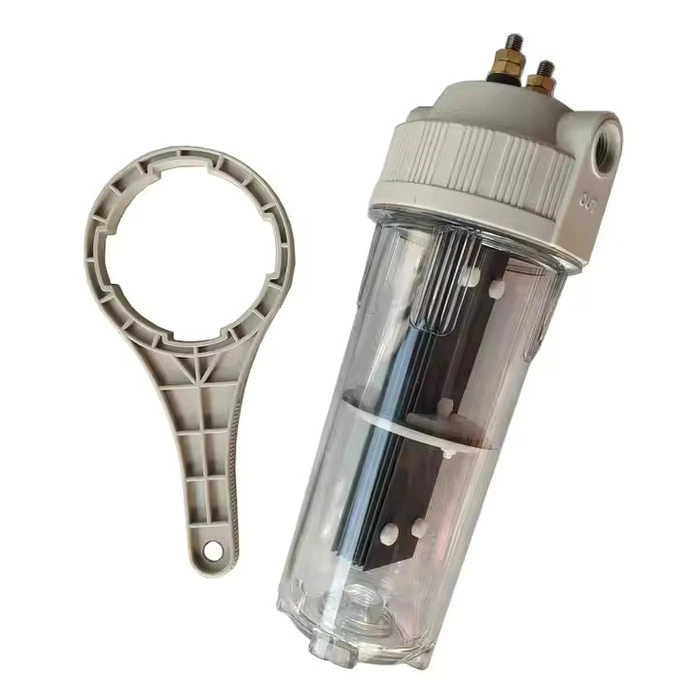
Titanium Anode for Electrodeposition of Nickel can be fully customized according to industrial requirements:
We provide full customization for Ru+Ir coated titanium electrode for electrodeposition of nickel to meet different industrial plating conditions.
- Size Customization: Any dimension based on tank design and current demand
- Titanium Base Material: Gr1, Gr2, Gr7 optional for different corrosion levels
- Coating Composition: Ru+Ir ratio adjusted for nickel plating efficiency
- Coating Loading: 6–20 g/m² depending on service life requirement
- Electrode Shape: Mesh, plate, rod, tubular, and ribbon structures available
- Surface Design: Expanded mesh, perforated plate, or smooth surface
- Current Density Range: Custom-engineered for high-efficiency deposition
- Lifespan Optimization: Designed for long-term continuous electroplating operation
- Connection System: Threaded, welded, or busbar connection options
- OEM/ODM Service: Custom logo, packaging, and technical drawings supported
Why Choose Titanium Anode from HY Ti-Ni Import & Export?
At Hengyi Ti-Ni Import Export, we specialize in titanium-based electrochemical materials with strong engineering capability in anode system design.

HY Ti-Ni Import & Export is a professional manufacturer and exporter specializing in Ru+Ir coated titanium electrode for electrodeposition of nickel and other advanced electrochemical materials.
Located in Baoji, China, we benefit from a complete titanium industrial chain and advanced coating technology. Our engineering team focuses on improving electrode stability, reducing energy consumption, and extending service life under harsh industrial electroplating environments.
Every electrode is strictly tested from substrate preparation to final coating inspection. We ensure consistent quality, high electrochemical efficiency, and reliable performance. With strong OEM/ODM capability and global export experience, HY Ti-Ni Import & Export provides cost-effective and durable solutions for nickel electrodeposition industries worldwide.
Titanium Anode Purchase Guide: A Comprehensive Guide
Selecting the correct Ru+Ir coated titanium electrode for electrodeposition of nickel directly affects plating quality, energy efficiency, and production stability.
First, analyze the nickel electrolyte composition, including nickel sulfate, nickel chloride, and boric acid concentration. These parameters determine coating performance requirements.
Second, define the operating current density and plating speed. High-current systems require optimized coating loading and electrode geometry.
Third, choose appropriate electrode shape. Mesh electrodes provide better electrolyte circulation, while plate electrodes offer stable large-area deposition.
Fourth, consider expected service life. Longer operation requires higher coating loading and premium titanium substrates.
Finally, always work with an experienced manufacturer who can provide technical support, customized design, and long-term after-sales service. This ensures stable production and lower overall operating cost.
Purchase Guide
1. What is a Titanium Anode for Electrodeposition of Nickel? |
Products Introduction
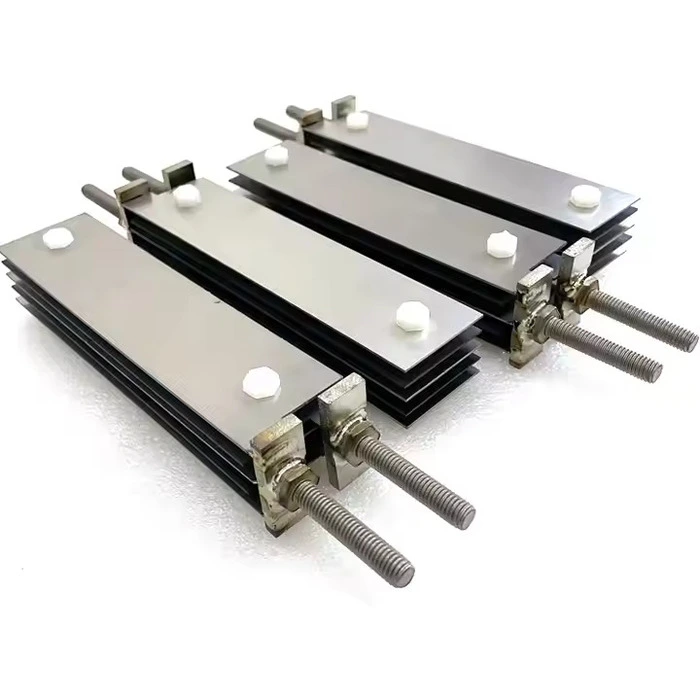
What Is Titanium Anode for Electrodeposition of Nickel?
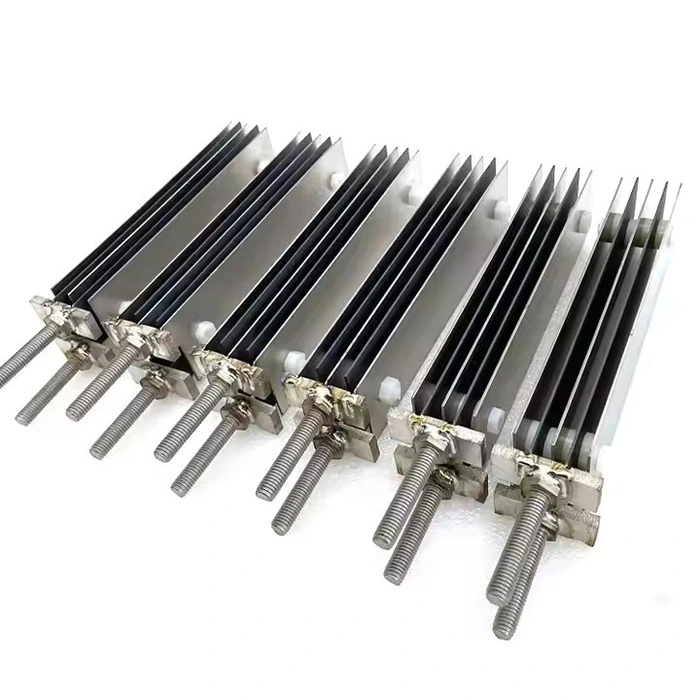
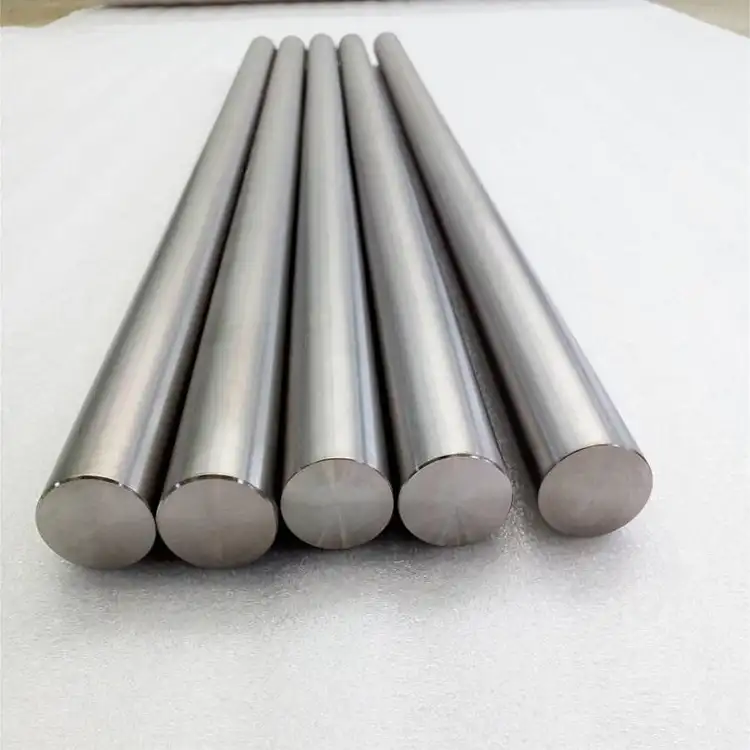
A Ru+Ir coated titanium electrode for electrodeposition of nickel is an insoluble anode used in nickel electroplating and refining systems. It consists of a titanium substrate coated with a ruthenium-iridium mixed metal oxide layer, providing excellent conductivity and corrosion resistance.
It is designed to operate in acidic nickel plating baths with high stability and low voltage consumption. Compared with traditional lead anodes, it improves nickel deposit uniformity, reduces sludge formation, and enhances energy efficiency. It is widely used in industrial nickel coating and electro-winning processes.
Main Technical Parameters
| Parameter | Specification |
|---|---|
| Substrate Material | Titanium Gr1 / Gr2 |
| Coating Type | Ru-Ir Mixed Metal Oxide |
| Coating Loading | 6–20 g/m² |
| Operating Voltage | 1.2–1.8 V |
| Current Density | 300–3000 A/m² |
| Working Temperature | ≤ 80°C |
| Electrolyte Type | Nickel Sulfate / Chloride Bath |
| pH Range | 1–5 |
| Coating Thickness | 8–18 μm |
| Service Life | 10,000–60,000 hours |
Specifications
| Type | Standard Size Range |
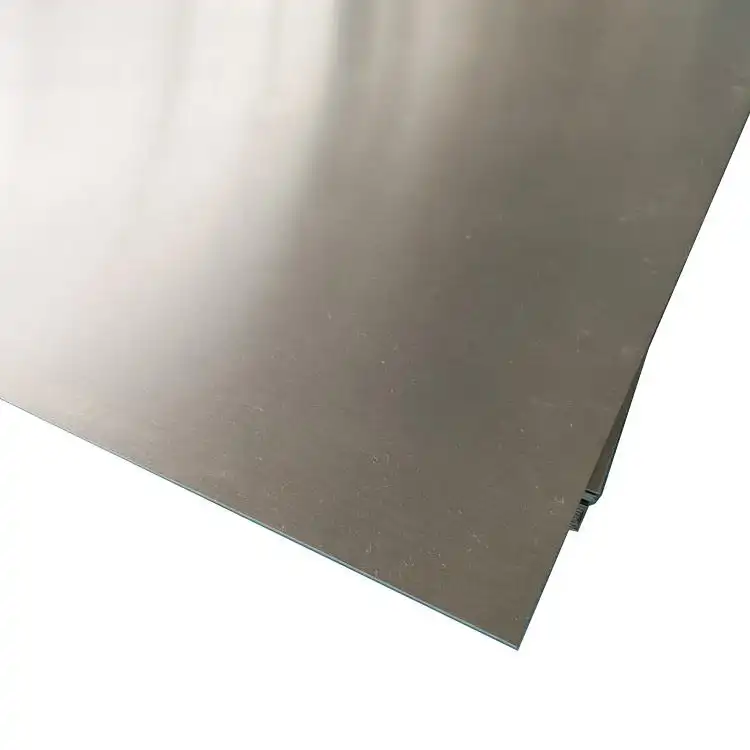
| Plate Electrode | 200×300 mm – 1200×2000 mm |
| Mesh Electrode | Customized Expanded Mesh |
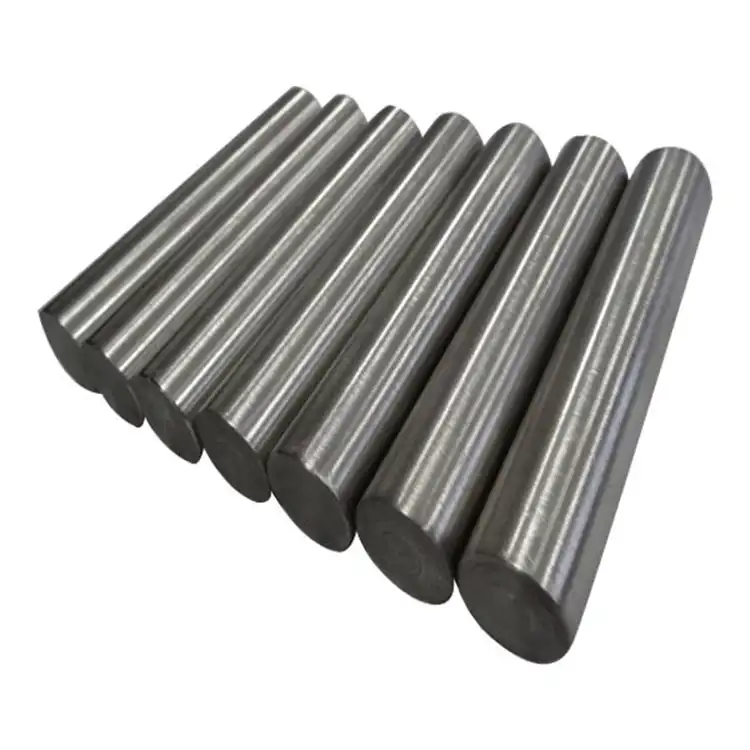
| Rod Electrode | Ø6 mm – Ø40 mm |
| Tubular Electrode | Ø25 mm – Ø250 mm |
| Ribbon Electrode | Width 10–60 mm |
| Thickness | 0.5–4.0 mm |
| Custom Design | Available |
Cerrent output of Standard
| Electrode Area | Recommended Current Output |
| 0.1 m² | 30–120 A |
| 0.5 m² | 150–600 A |
| 1.0 m² | 300–1200 A |
| 2.0 m² | 600–2400 A |
| 5.0 m² | 1500–6000 A |
Applications of MMO Titanium Anode
Be used in a wide range of industries.

Water Treatment Industry
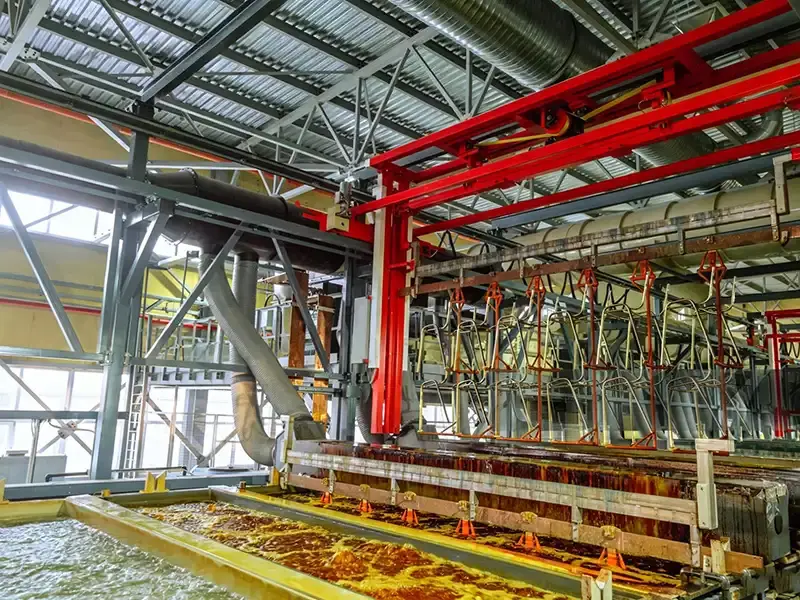
Electroplating Industry
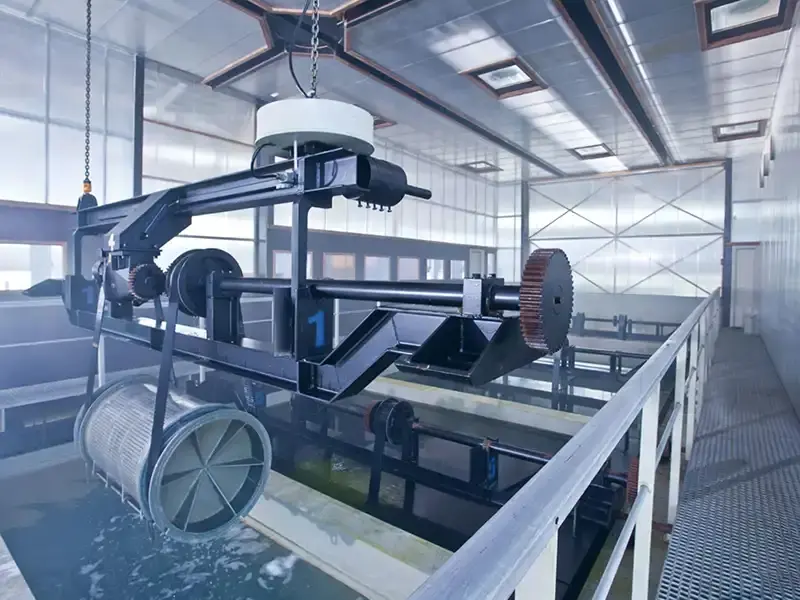
Chlor-Alkali Industry

Marine Engineering
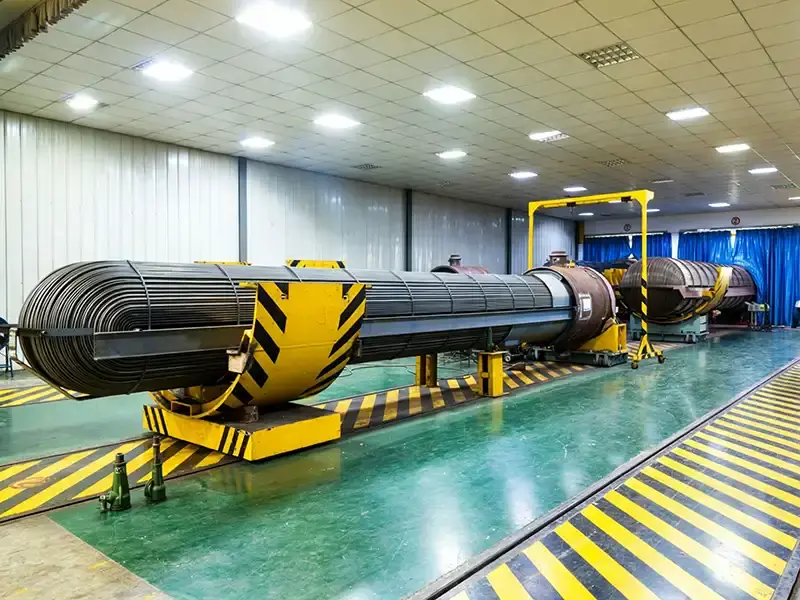
Hydrogen Energy Industry
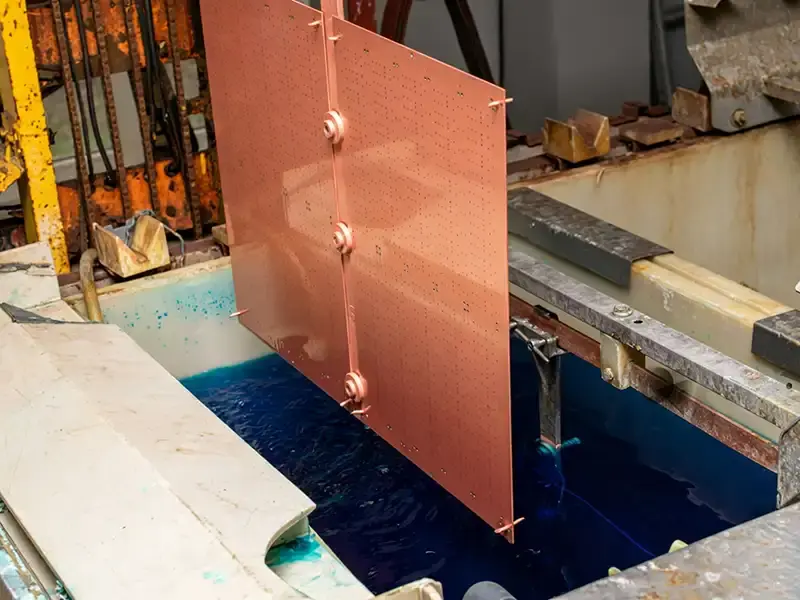
Mining and Metal Recovery
How to Purchase the Suitable Titanium Anode
- Confirm nickel electrolyte composition and additives
- Define required production capacity and plating speed
- Select suitable electrode shape (mesh, plate, rod, tubular)
- Determine operating current density range
- Choose coating loading based on service life requirement
- Verify tank size and electrode arrangement design
- Ensure proper connection method and installation structure
- Request technical drawings and engineering support from supplier
- Work with experienced manufacturer for optimization and stability
FAQ
Q1: Why use Ru+Ir coated titanium electrodes for nickel plating?
They improve efficiency, reduce energy consumption, and ensure stable plating quality.
Q2: What is the typical lifespan?
Usually 10,000–60,000 hours depending on operating conditions.
Q3: Can the electrode be customized?
Yes, full OEM/ODM customization is available.
Q4: What electrolyte is compatible?
Nickel sulfate and nickel chloride-based electrolytes.
Q5: Does it replace lead anodes?
Yes, it is a modern eco-friendly replacement for lead anodes.
Q6: What shapes are available?
Mesh, plate, rod, tubular, and ribbon types.
Q7: Is it suitable for high current density?
Yes, it is designed for industrial high-current operations.
Q8: What industries use it most?
Electroplating, electronics, automotive, and battery industries.
Our Factory
Production site
State-of-the-art manufacturing for titanium anodes, precision coating and quality control.

Choseing titanium substrate
|

Substrate Cutting
|

Sandblasting
|

Pickling
|

Laser Cutting Configure Precious
Metal
|

Coating
|

Sintering
|

Packaging
|
Workshop
Precision machining and coating workshop for titanium anodes.

Titanium anode coating workshop
|

Thermal decomposition sintering furnace workshop
|

Titanium mesh anode production area
|

Pickling/surface treatment process
|

Pickling/surface treatment process
|

Quality inspection workshop
|

Worker operation photos
|

Panoramic view of a clean production line
|
Quality inspection
Rigorous testing for coating adhesion, electrochemical performance, and durability.

Dimension Inspection
|

Coating Thickness Testing
|

Coating Adhesion Testing
|

Microstructure Analysis
|

Conductivity Testing
|

Corrosion Resistance Testing
|

Bond Strength Testing
|

Final Inspection & Packaging
|
Packaging
Professional packaging to prevent damage and corrosion during transportation.
 |
 |
 |
 |
 |
 |
 |
 |
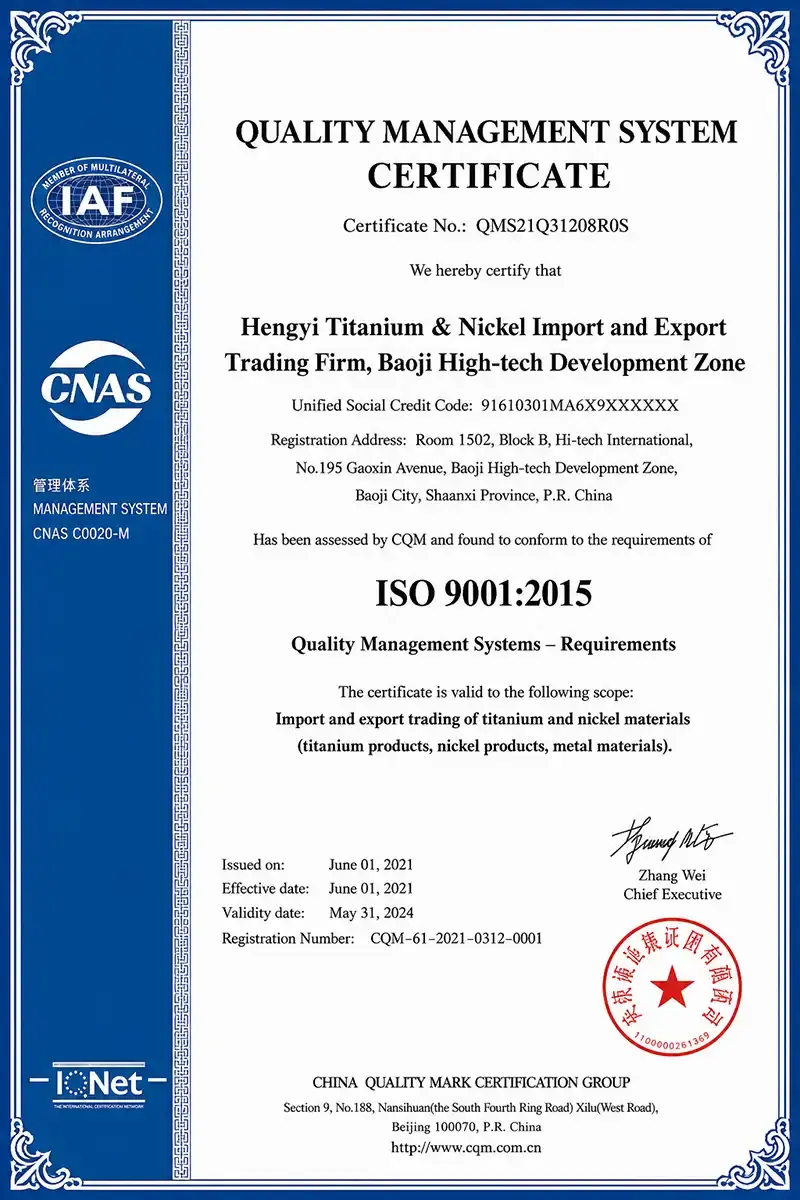
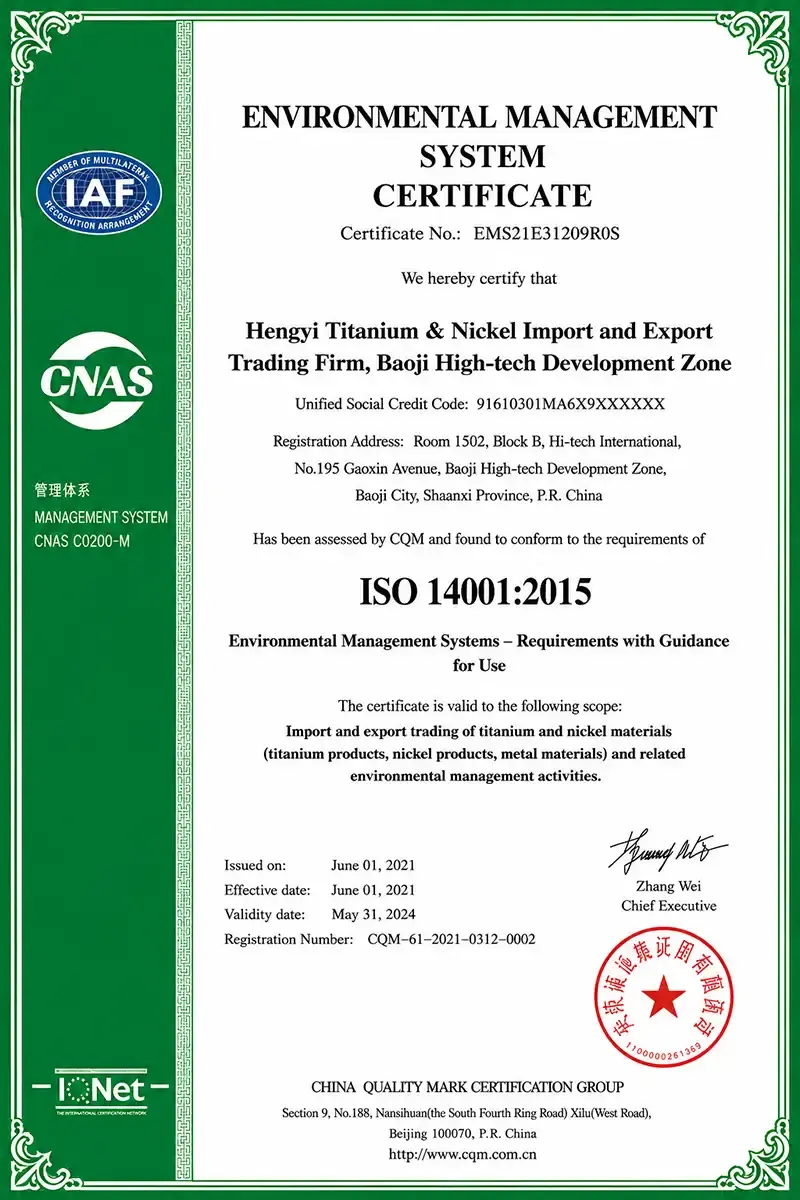
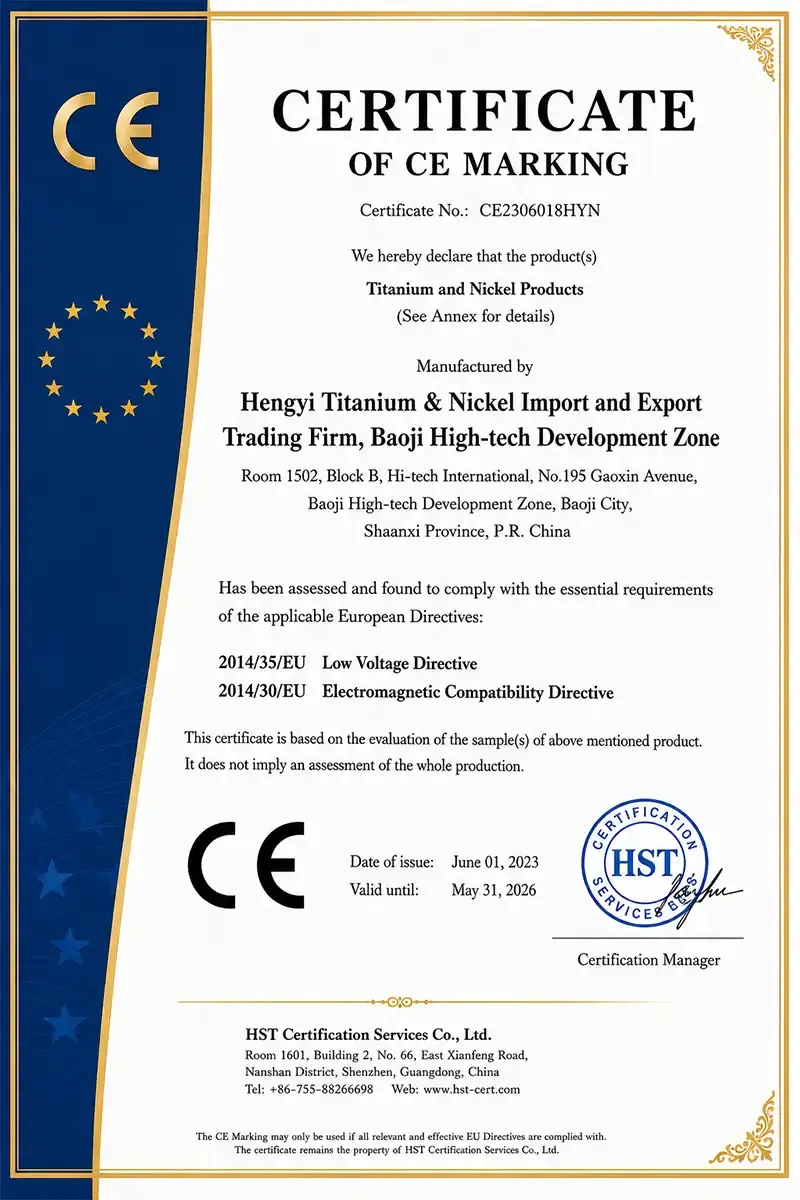
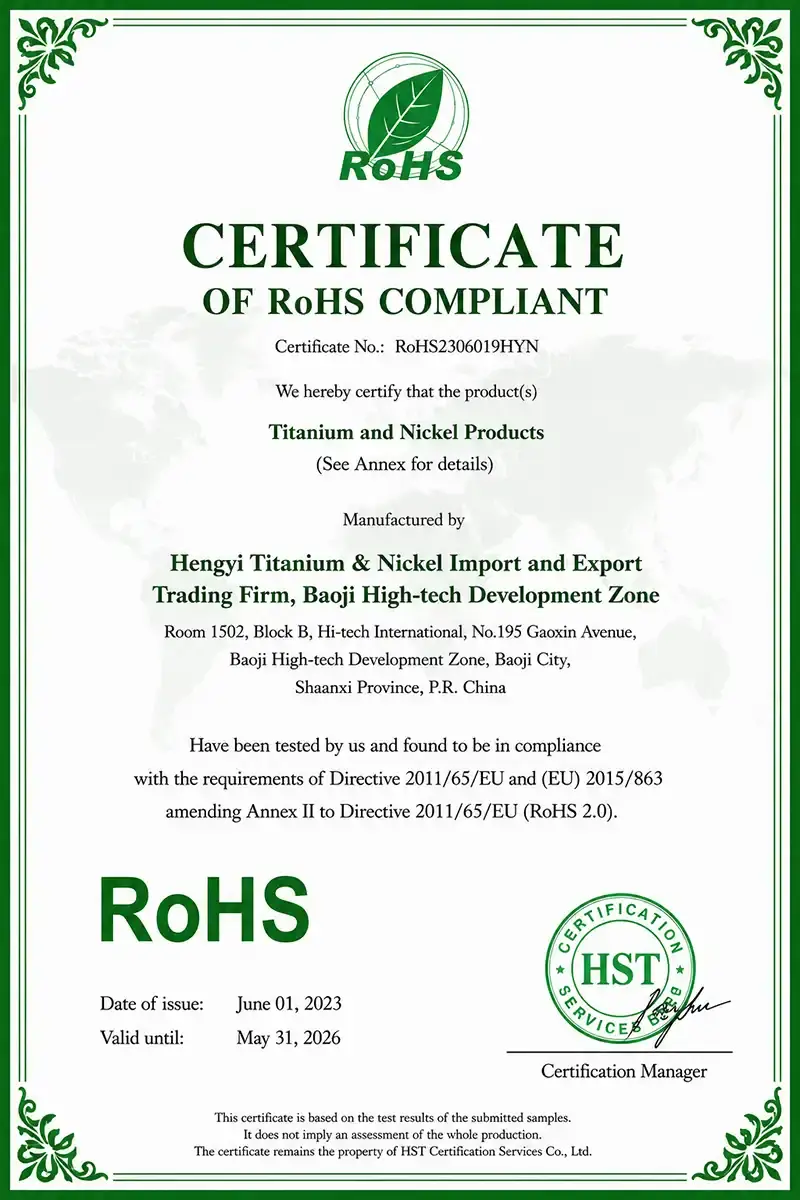
Certifications
International certifications ensuring quality and environmental compliance.
Learn about our latest products and discounts through SMS or email