- English
- French
- German
- Portuguese
- Spanish
- Russian
- Japanese
- Korean
- Arabic
- Greek
- German
- Turkish
- Italian
- Danish
- Romanian
- Indonesian
- Czech
- Afrikaans
- Swedish
- Polish
- Basque
- Catalan
- Esperanto
- Hindi
- Lao
- Albanian
- Amharic
- Armenian
- Azerbaijani
- Belarusian
- Bengali
- Bosnian
- Bulgarian
- Cebuano
- Chichewa
- Corsican
- Croatian
- Dutch
- Estonian
- Filipino
- Finnish
- Frisian
- Galician
- Georgian
- Gujarati
- Haitian
- Hausa
- Hawaiian
- Hebrew
- Hmong
- Hungarian
- Icelandic
- Igbo
- Javanese
- Kannada
- Kazakh
- Khmer
- Kurdish
- Kyrgyz
- Latin
- Latvian
- Lithuanian
- Luxembou..
- Macedonian
- Malagasy
- Malay
- Malayalam
- Maltese
- Maori
- Marathi
- Mongolian
- Burmese
- Nepali
- Norwegian
- Pashto
- Persian
- Punjabi
- Serbian
- Sesotho
- Sinhala
- Slovak
- Slovenian
- Somali
- Samoan
- Scots Gaelic
- Shona
- Sindhi
- Sundanese
- Swahili
- Tajik
- Tamil
- Telugu
- Thai
- Ukrainian
- Urdu
- Uzbek
- Vietnamese
- Welsh
- Xhosa
- Yiddish
- Yoruba
- Zulu
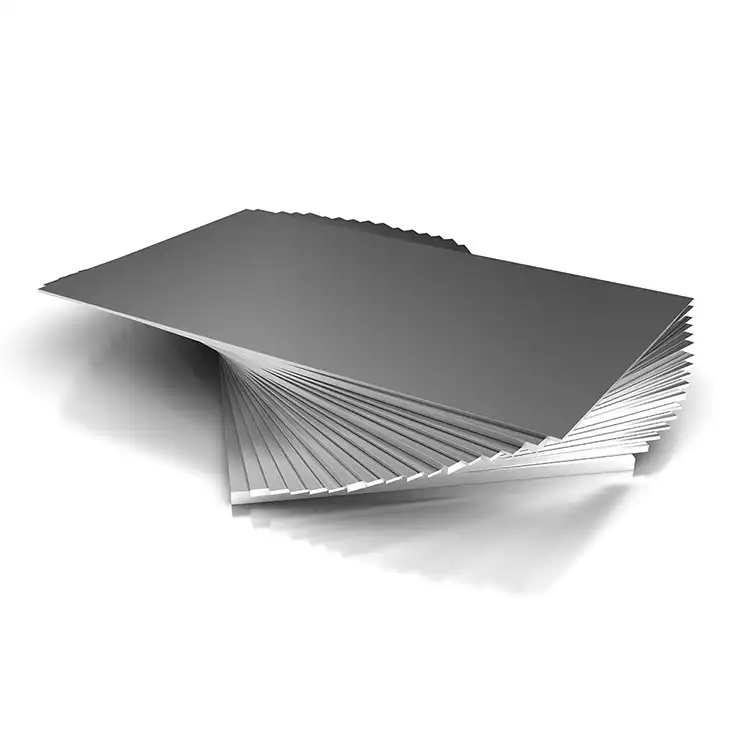
titanium plate for surgery
2. Grades: Gr1, Gr2, Gr3, Gr4, Gr5, Gr7, Gr12, Gr23.
3. Standard: ASTM B265; ASTM F67/F136 optional.
4. Form: foil, sheet, plate, cut blanks.
5. Condition: hot rolled, cold rolled, annealed, leveled.
6. Surface: pickled, polished, brushed, sandblasted, mill finish.
7. Thickness: as ASTM B265 or drawing request.
8. Width/Length: cut-to-size supply available.
9. Cutting: sheared, sawn, waterjet, custom blanks.
10. Inspection: chemistry, tensile, thickness, flatness, surface.
titanium plate for surgery
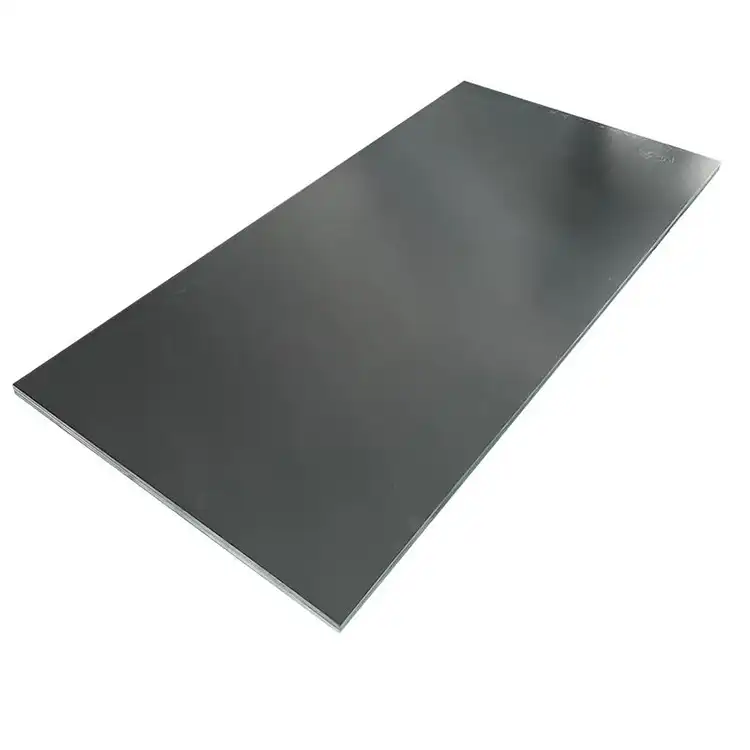
titanium plate for surgery is supplied for chemical processing, aerospace fabrication, marine service, electrochemical equipment, and medical applications requiring stable thickness control, corrosion resistance, and reliable forming performance.
Titanium plate and sheet products are available in commercially pure and alloy grades with rolling condition, surface finish, and cutting service matched to fabrication and machining requirements.
 |
 |
 |
 |
Why Choose Titanium Plate?
Titanium plate combines corrosion resistance, lightweight performance, fabrication flexibility, and broad grade availability for industrial and medical use.





Technical Specification of titanium plate for surgery
| Parameter | Specification |
|---|---|
| Material | Commercially pure titanium plate/sheet and titanium alloy plate/sheet |
| Common Grades | Grade 1, Grade 2, Grade 3, Grade 4, Grade 5, Grade 7, Grade 9, Grade 12, Grade 23 |
| Standards | ASTM B265, ASTM F67, ASTM F136 and custom technical specifications |
| Supply Form | Foil, sheet, plate or cut-to-size blanks |
| Rolling Condition | Hot rolled, cold rolled, annealed and leveled |
| Surface Finish | Pickled, polished, sandblasted, brushed or mill finish |
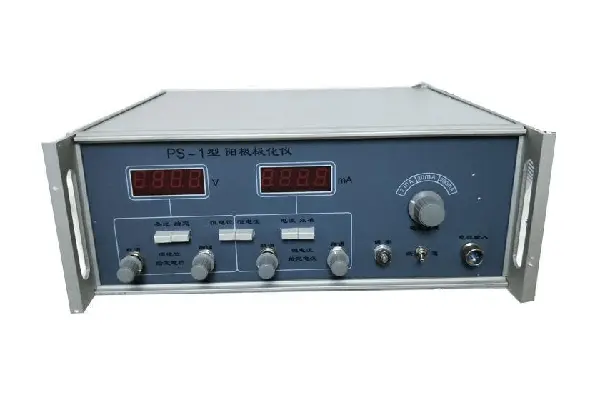
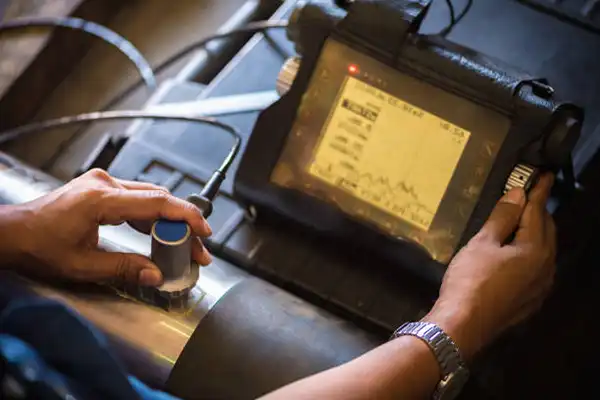
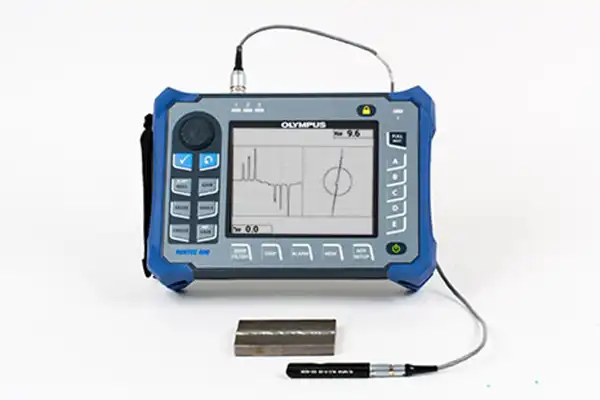
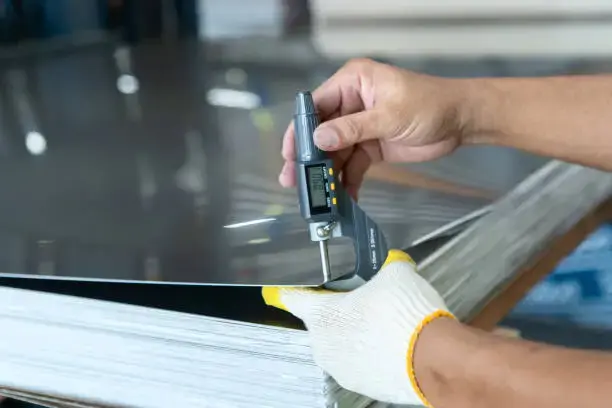
| Inspection | Chemical composition, mechanical properties, thickness tolerance, flatness and surface quality |
Grade Selection Guide
| Grade | Main Feature | Recommended Application |
|---|---|---|
| Grade 1 / Grade 2 | Commercially pure titanium with strong corrosion resistance | Chemical equipment, heat exchangers and general corrosion-resistant panels |
| Grade 5 | High-strength titanium alloy plate | Aerospace, motorsport, structural parts and machined blanks |
| Grade 7 / Grade 12 | Improved corrosion resistance in reducing and chloride media | Chemical processing, marine and electrochemical equipment |
| Grade 23 | Ti-6Al-4V ELI medical alloy | Medical implants, surgical plates and high-reliability device components |
Typical Applications of titanium plate for surgery
titanium plate for surgery is suitable for industrial, chemical, marine, aerospace, and medical projects that require controlled material quality, stable dimensional performance, and reliable corrosion resistance.
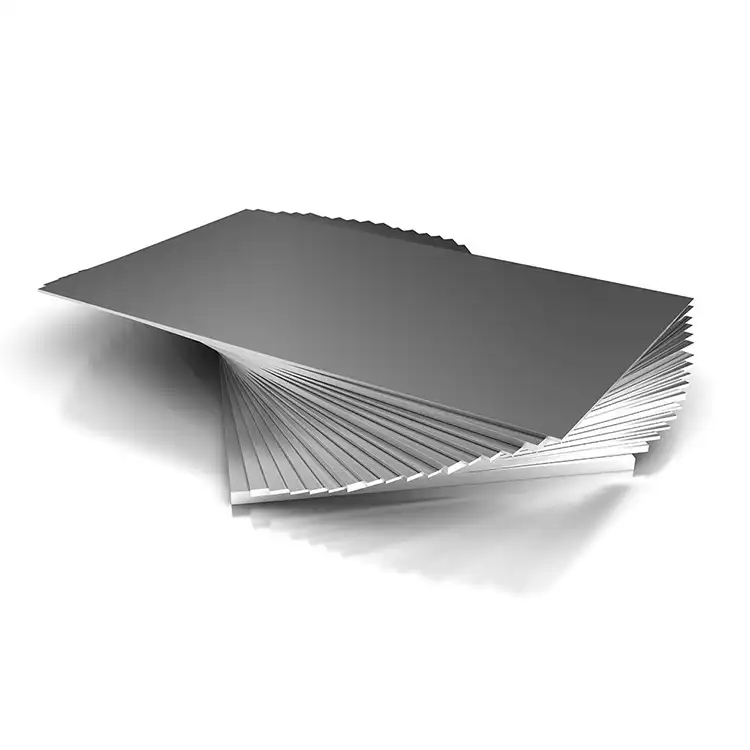
Typical applications include:
- Heat exchangers, reactors, desalination and chemical processing equipment
- Aerospace structures, lightweight armor, machined blanks and industrial fabrication
- Electrochemical equipment, marine panels and corrosion-resistant lining parts
- Medical plates for implants, fixation systems and precision device components
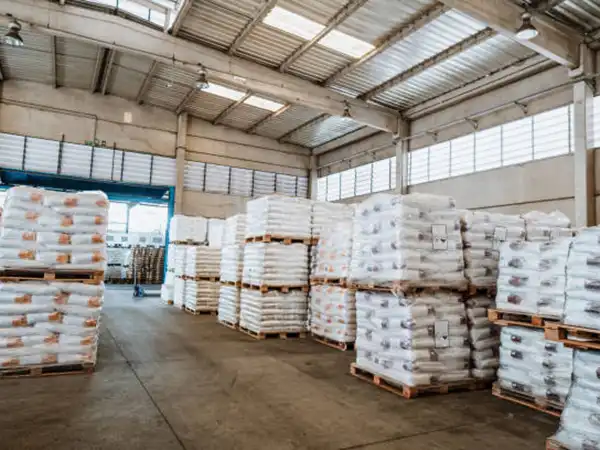
Product Quality Management
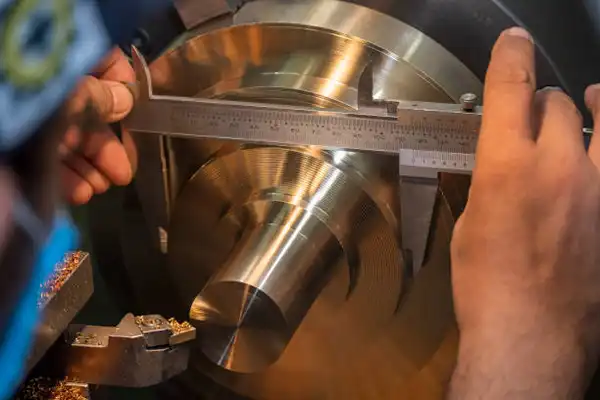
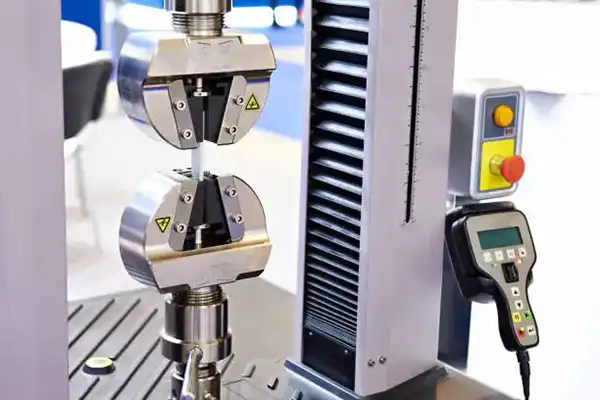
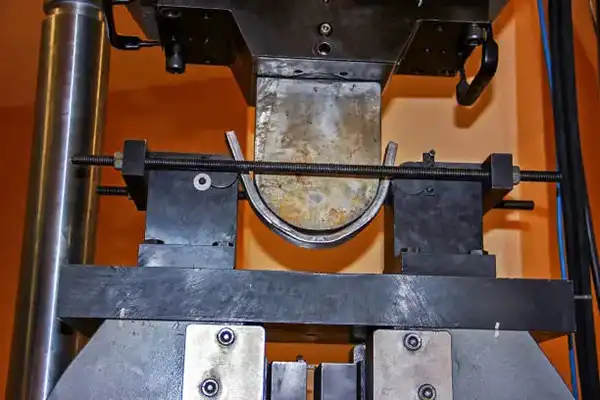

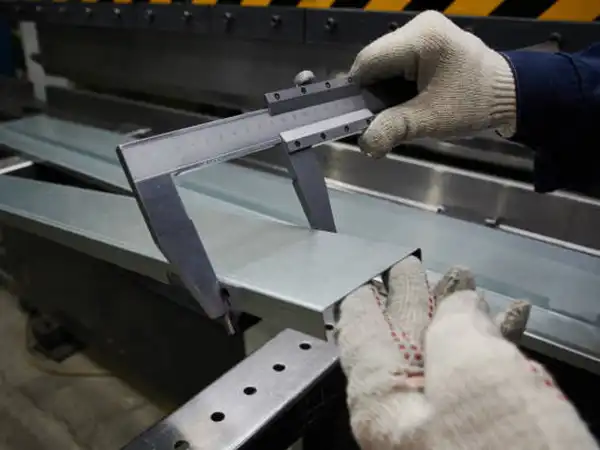
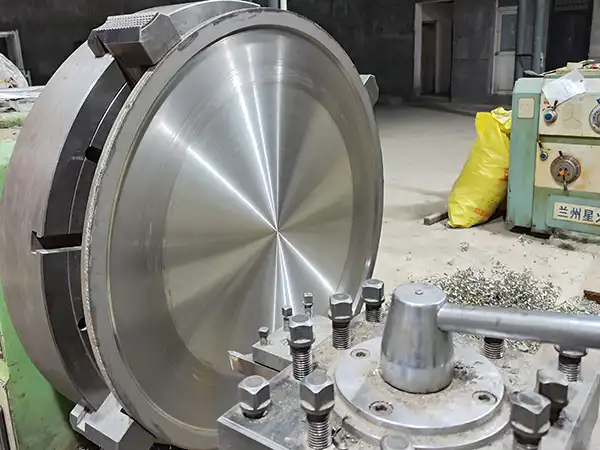
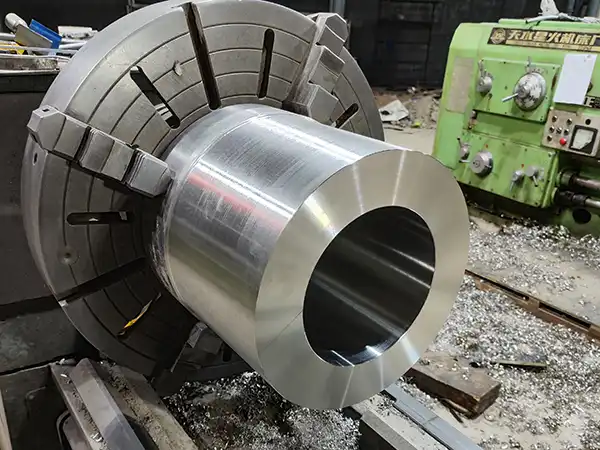
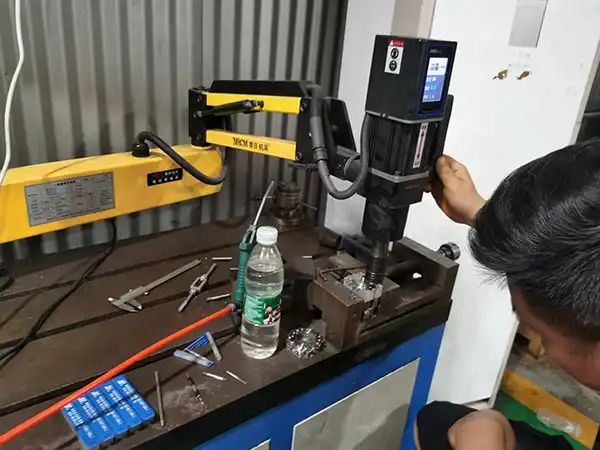
Production and Processing

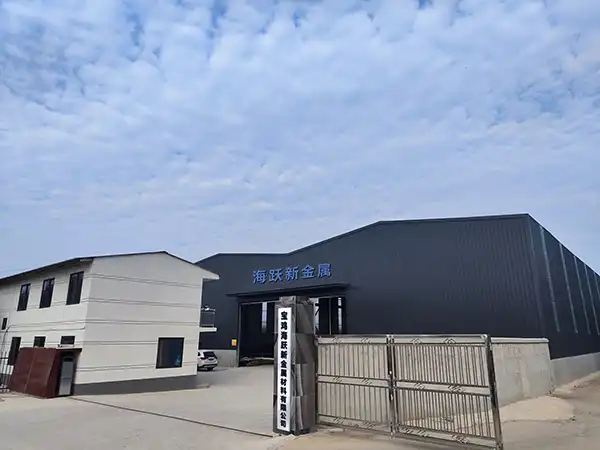
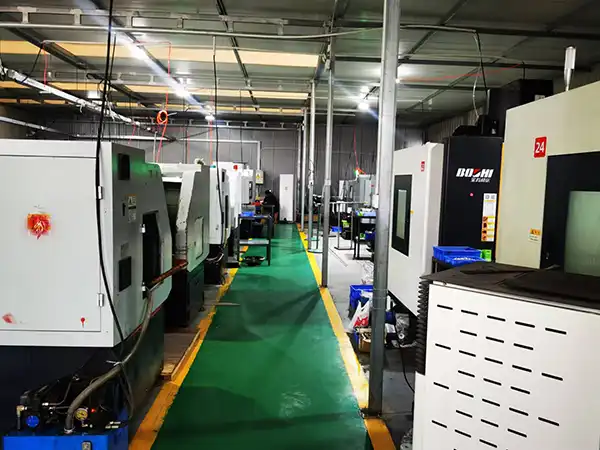
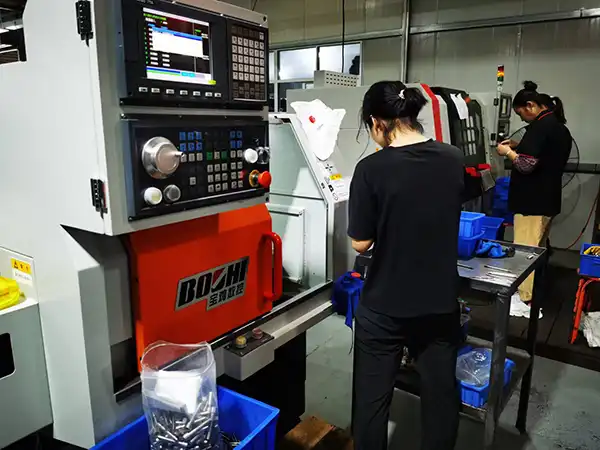
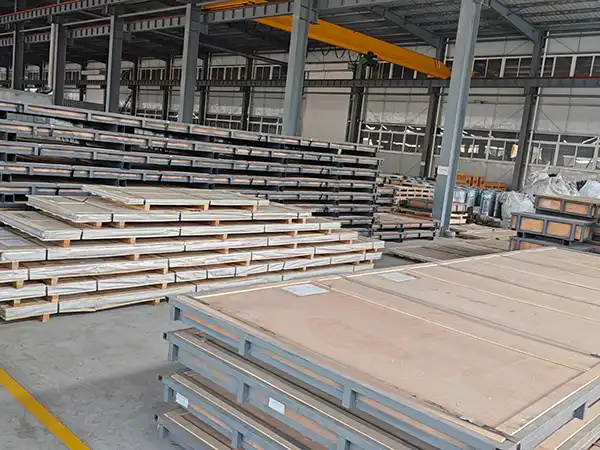
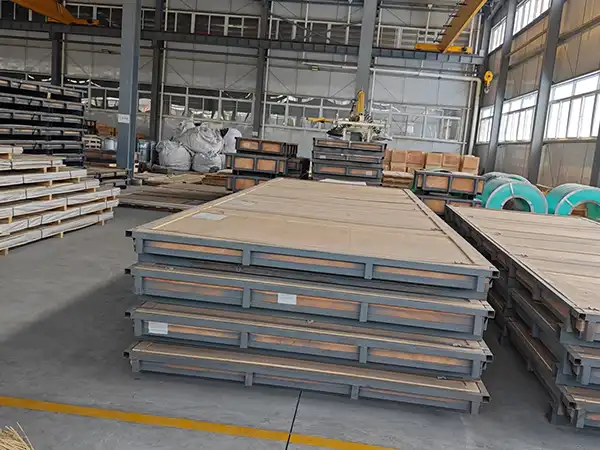
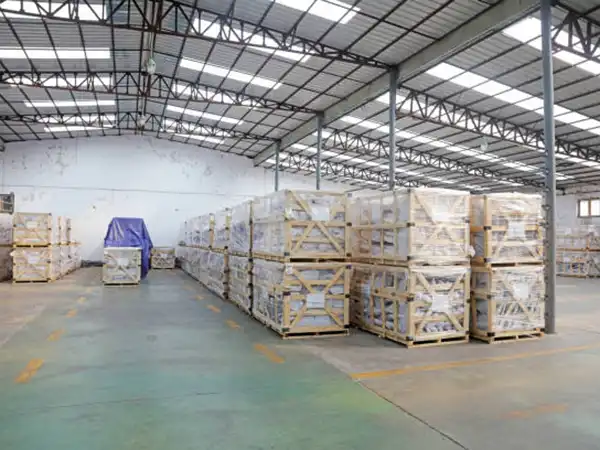
Workshop and Equipment
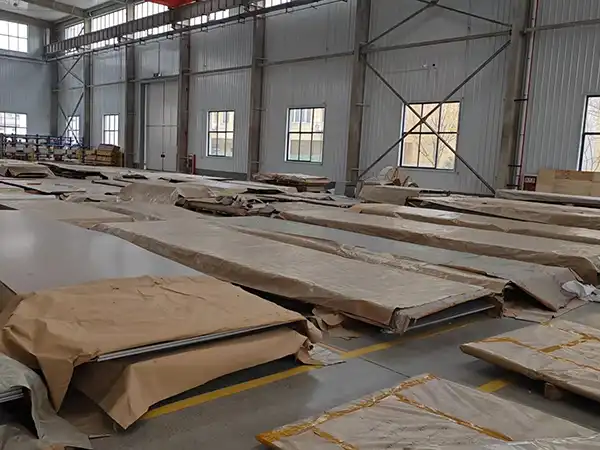
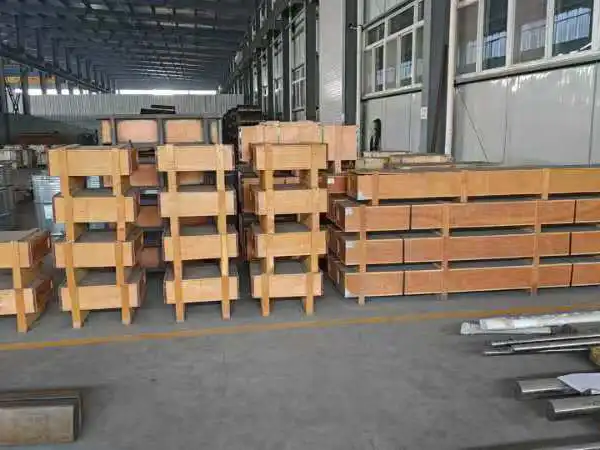
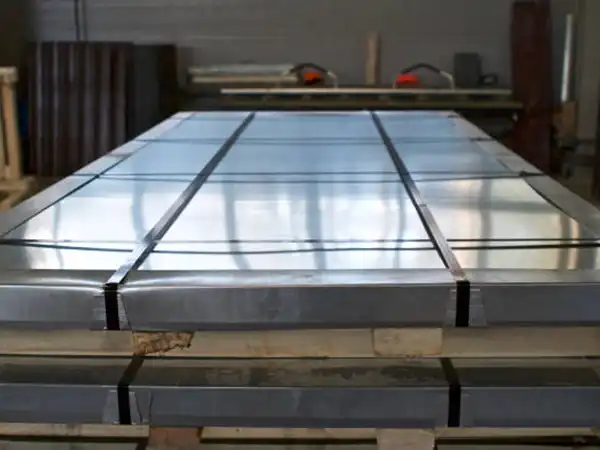
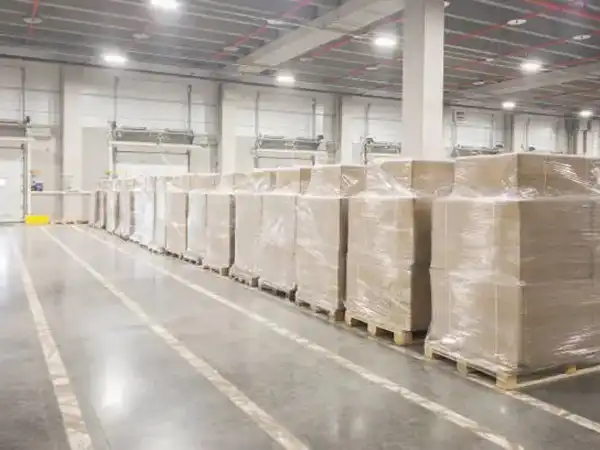
Packaging
FAQ
1. What standard is commonly used for titanium plate for surgery?
ASTM B265; ASTM F67/F136 on request
2. Can sizes and cut blanks be customized?
Yes. Size, finish, condition, and cut requirements can be supplied by drawing.
3. Are medical grades available?
Yes. Medical-related grades can be supplied when ASTM F67 or ASTM F136 is specified.
4. What should be provided before ordering?
Please provide grade, size, finish, condition, tolerance, application, and quantity.
About HY Ti-Ni Import & Export
Hengyi Titanium & Nickel Import and Export Trading Firm, Baoji High-tech Development Zone (HY Ti-Ni Import & Export) is a specialized supplier focused on the development, manufacturing, and export of titanium and titanium alloy mill products. Located in Baoji, China, a leading hub for titanium and non-ferrous metals, the company benefits from a complete industrial chain, stable raw material resources, and strong precision manufacturing capabilities.
Our main products include titanium rods and bars, titanium plates and sheets, titanium wires, titanium tubes, titanium forgings, titanium fasteners, and customized titanium machined parts. These products are available in commercially pure titanium and titanium alloy grades, offering excellent corrosion resistance, high strength-to-weight ratio, stable mechanical properties, and reliable long-term performance in demanding service environments.
HY Ti-Ni Import & Export products are widely used in chemical processing, marine engineering, electrochemical equipment, aerospace manufacturing, medical devices, heat exchangers, industrial fabrication, and other corrosion-resistant and high-performance applications.
We maintain strict quality control throughout the entire production process, from raw material selection and forging or rolling procedures to heat treatment, surface finishing, dimensional inspection, and final testing. Each product is manufactured according to international standards and customized technical requirements to ensure consistent quality and dependable performance.
With strong engineering expertise, flexible OEM/ODM capabilities, and a customer-oriented service approach, HY Ti-Ni Import & Export is committed to providing efficient, durable, and cost-effective titanium material solutions to global customers. We aim to build long-term partnerships through stable quality, responsive communication, and reliable technical support.
_1781574745760.jpg)
_1781658457143.jpg)
Learn about our latest products and discounts through SMS or email